RE-LINE
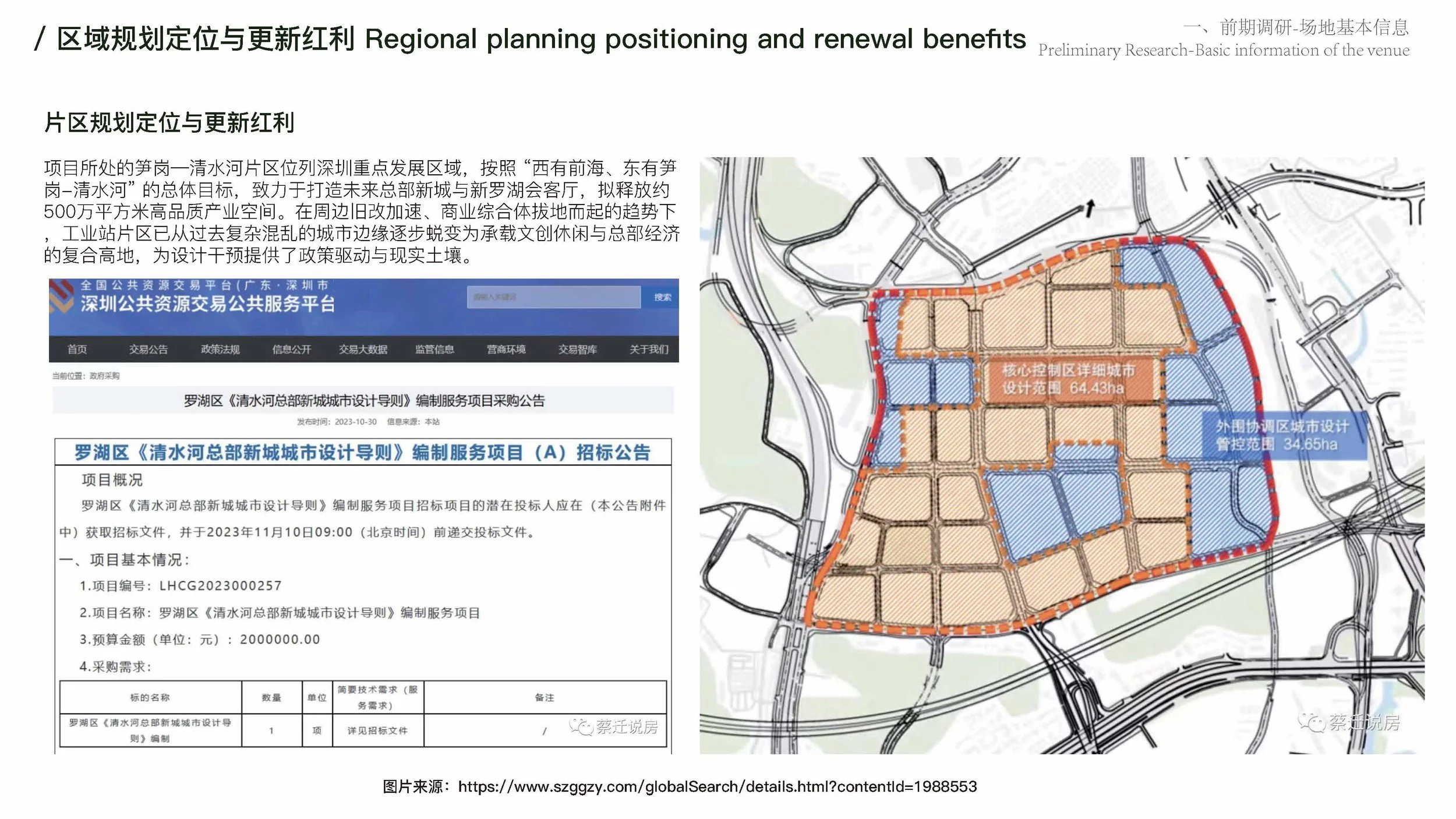
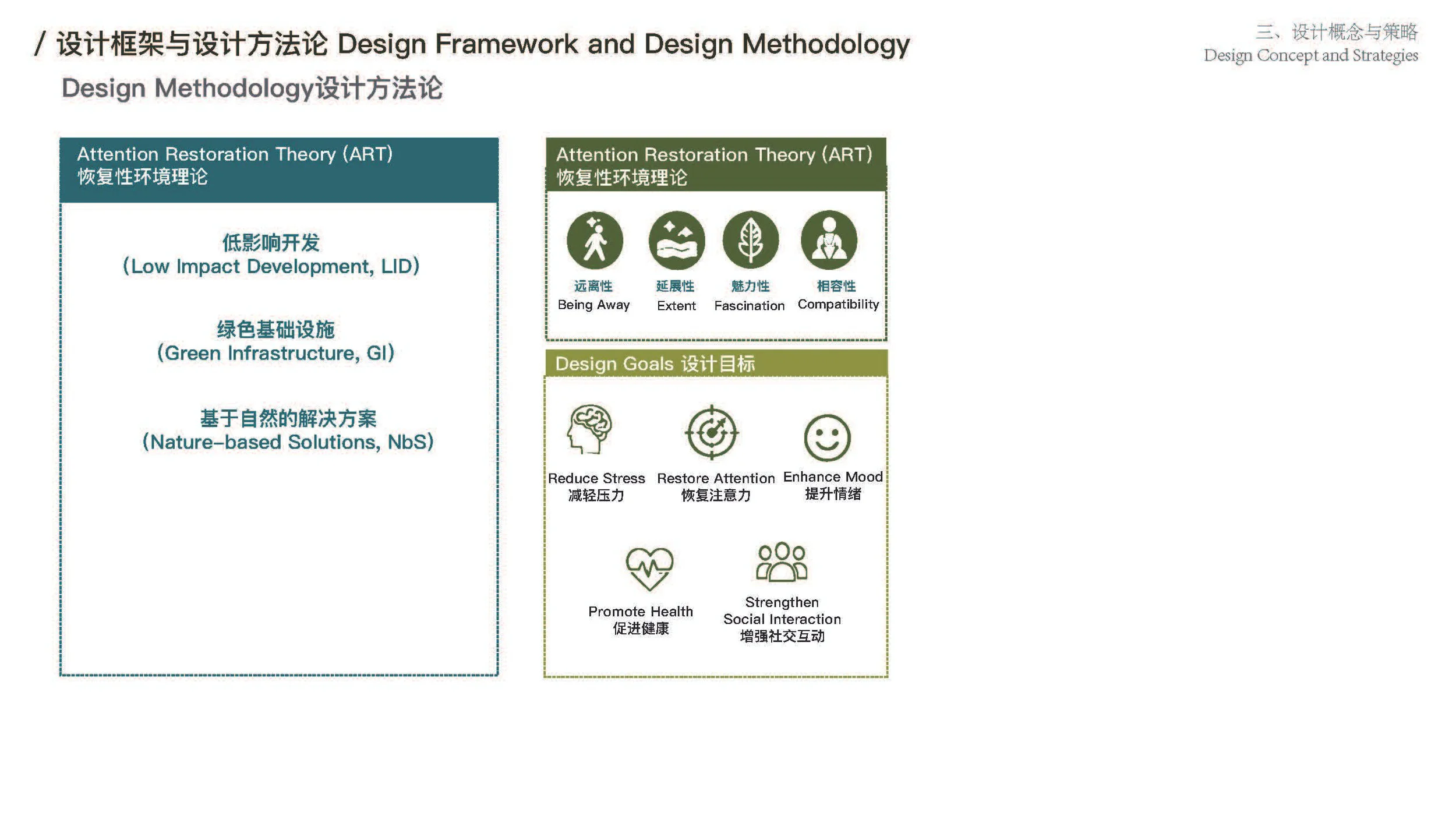
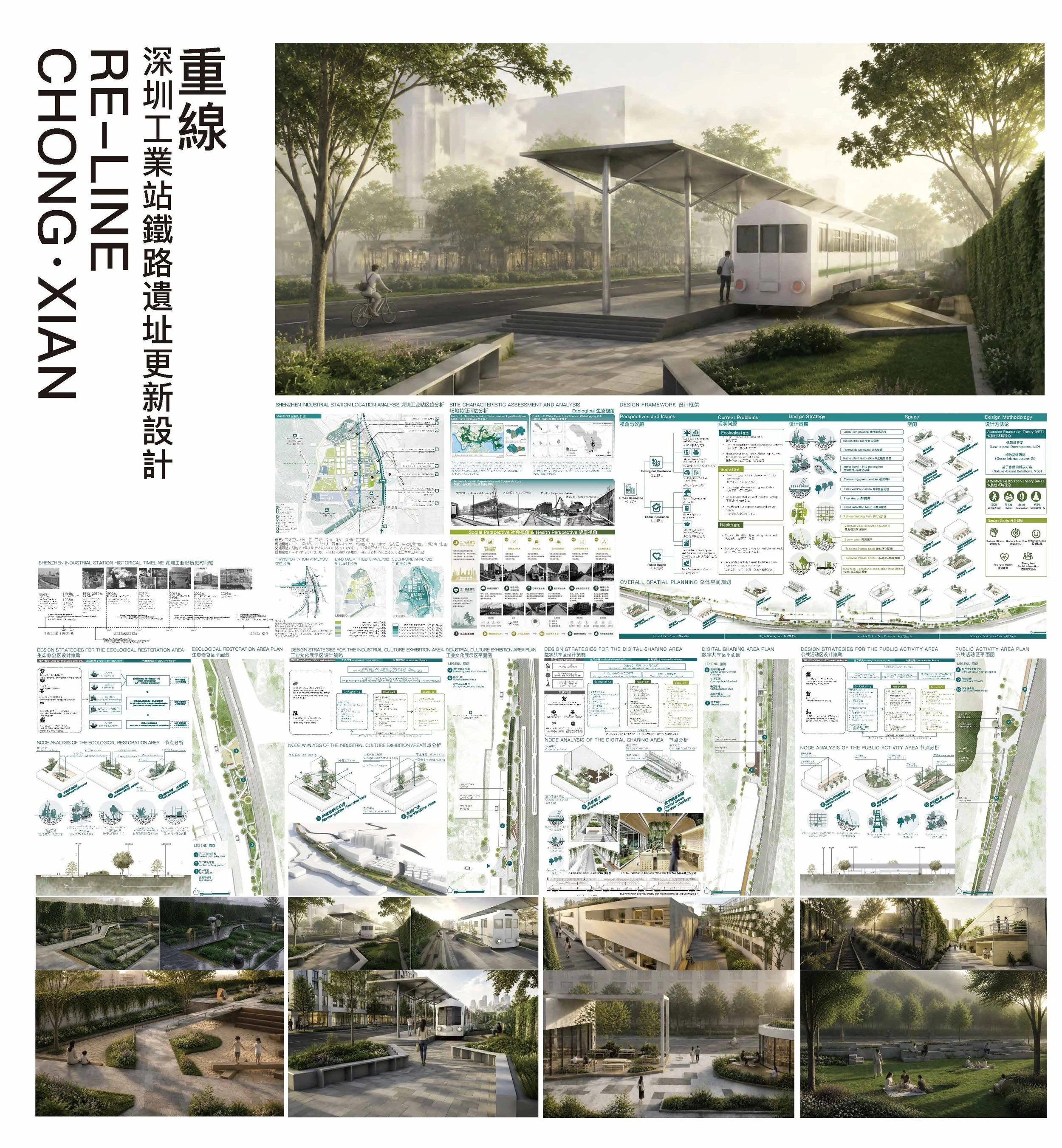
Set on a post-industrial brownfield, this project addresses the site's systemic decline across three dimensions — ecological, social, and public health. Guided by the twin lenses of urban resilience and public health, the design integrates Low Impact Development (LID), Green Infrastructure (GI), Nature-based Solutions (NbS), and Attention Restoration Theory (ART) to transform a fragmented, hardened, and voiceless industrial relic into a civic landscape that performs ecologically, remembers culturally, and connects socially.
THE PROBLEM
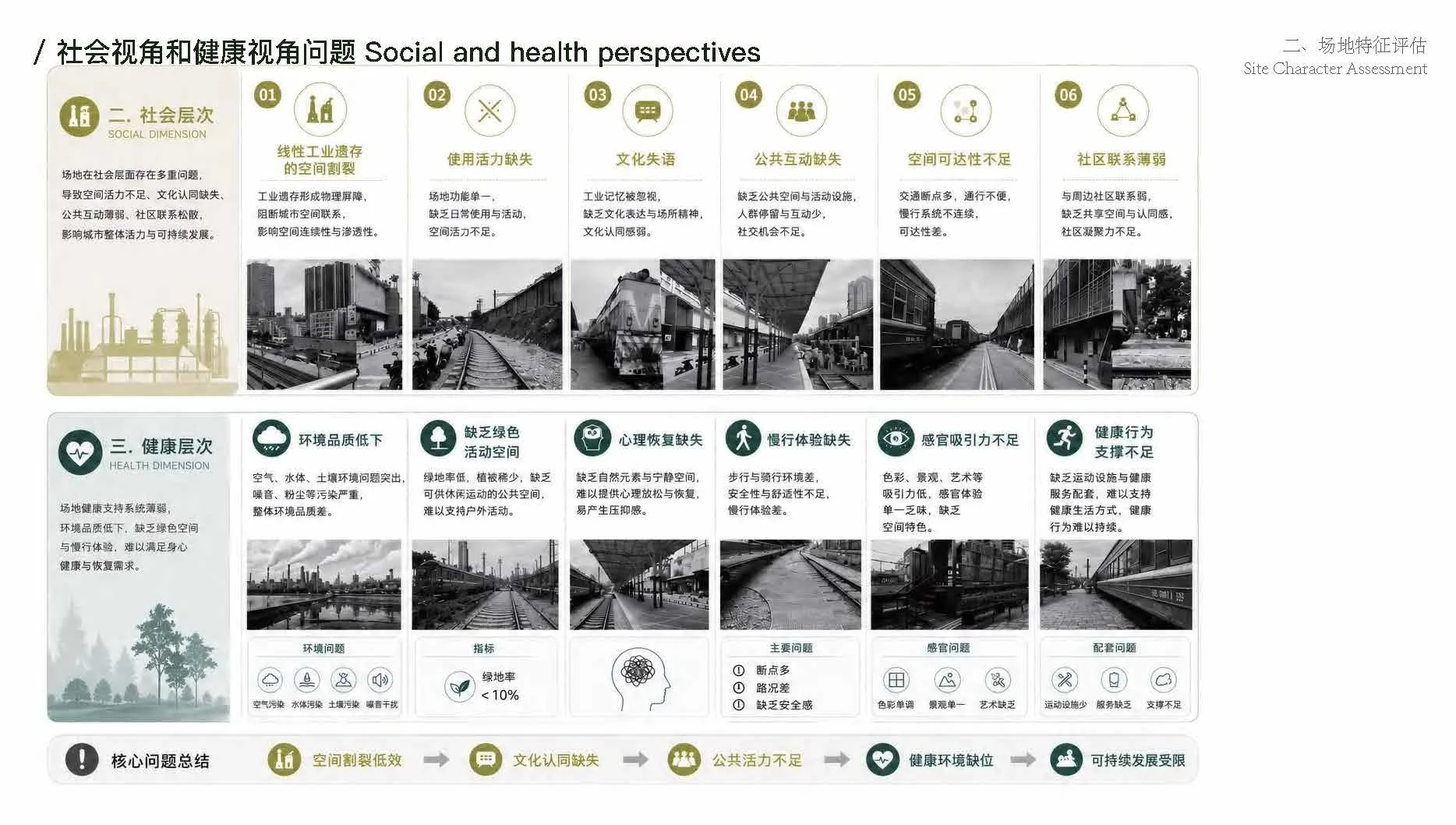
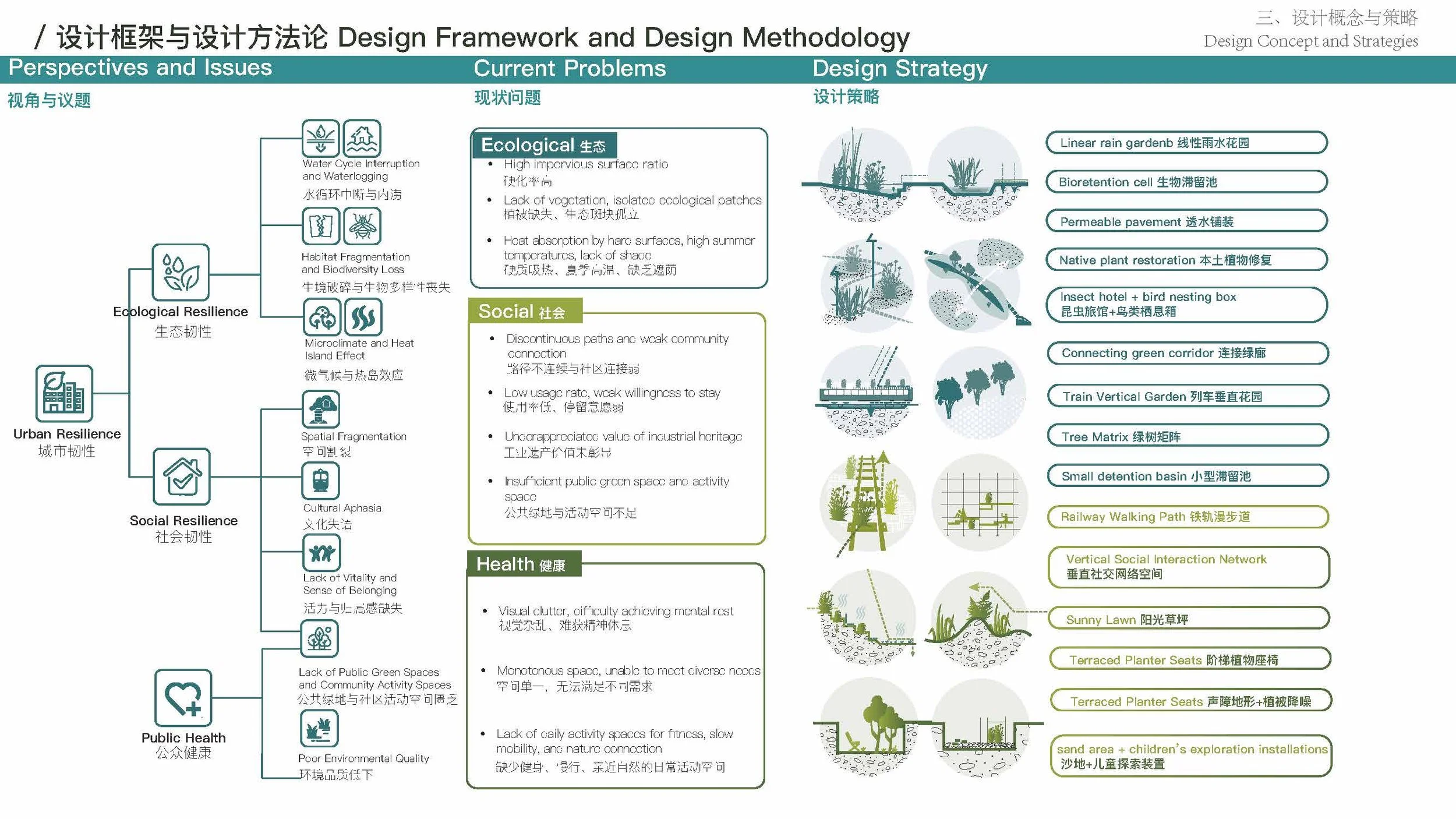
This post-industrial brownfield suffers decline across three dimensions.
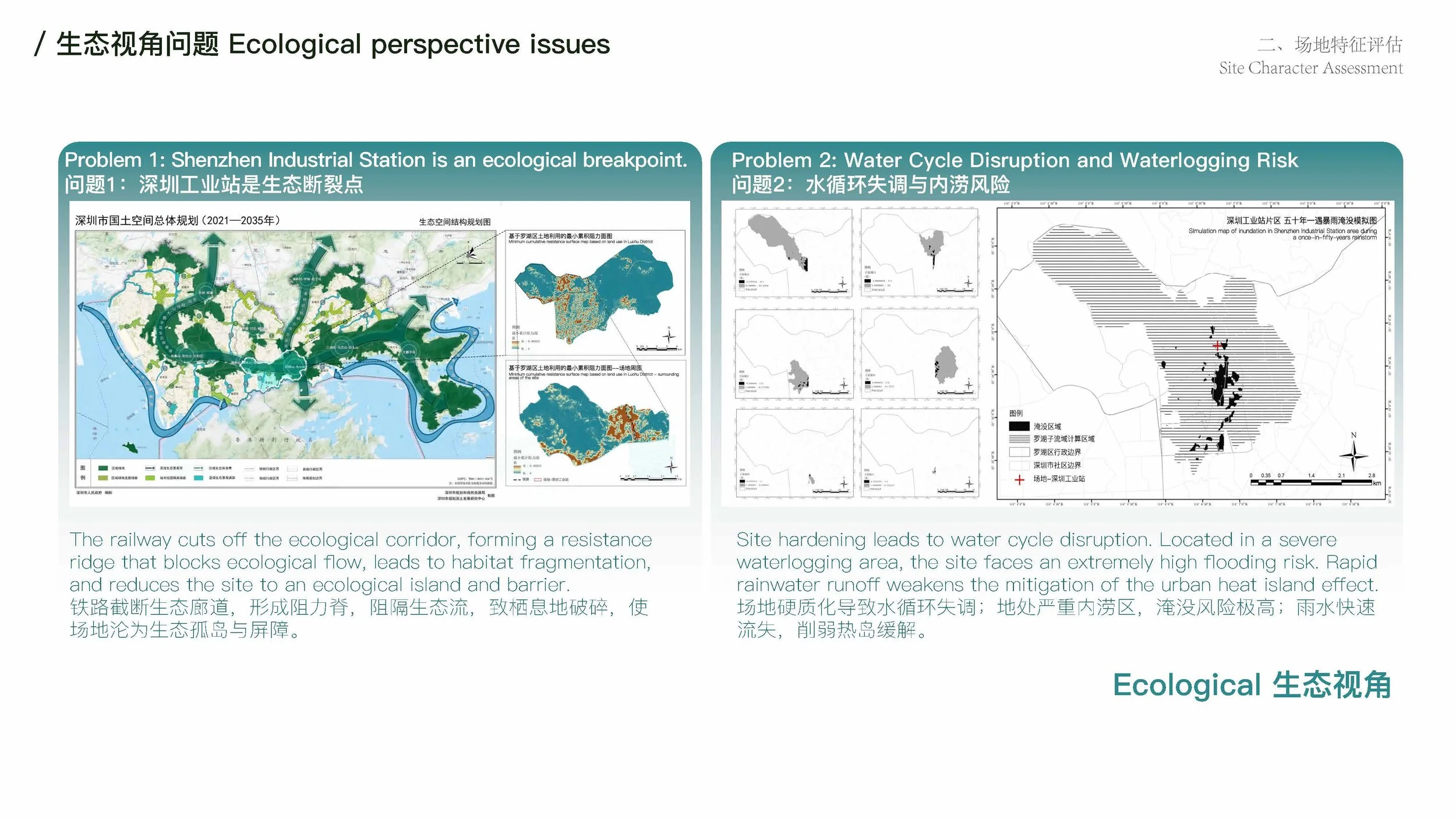
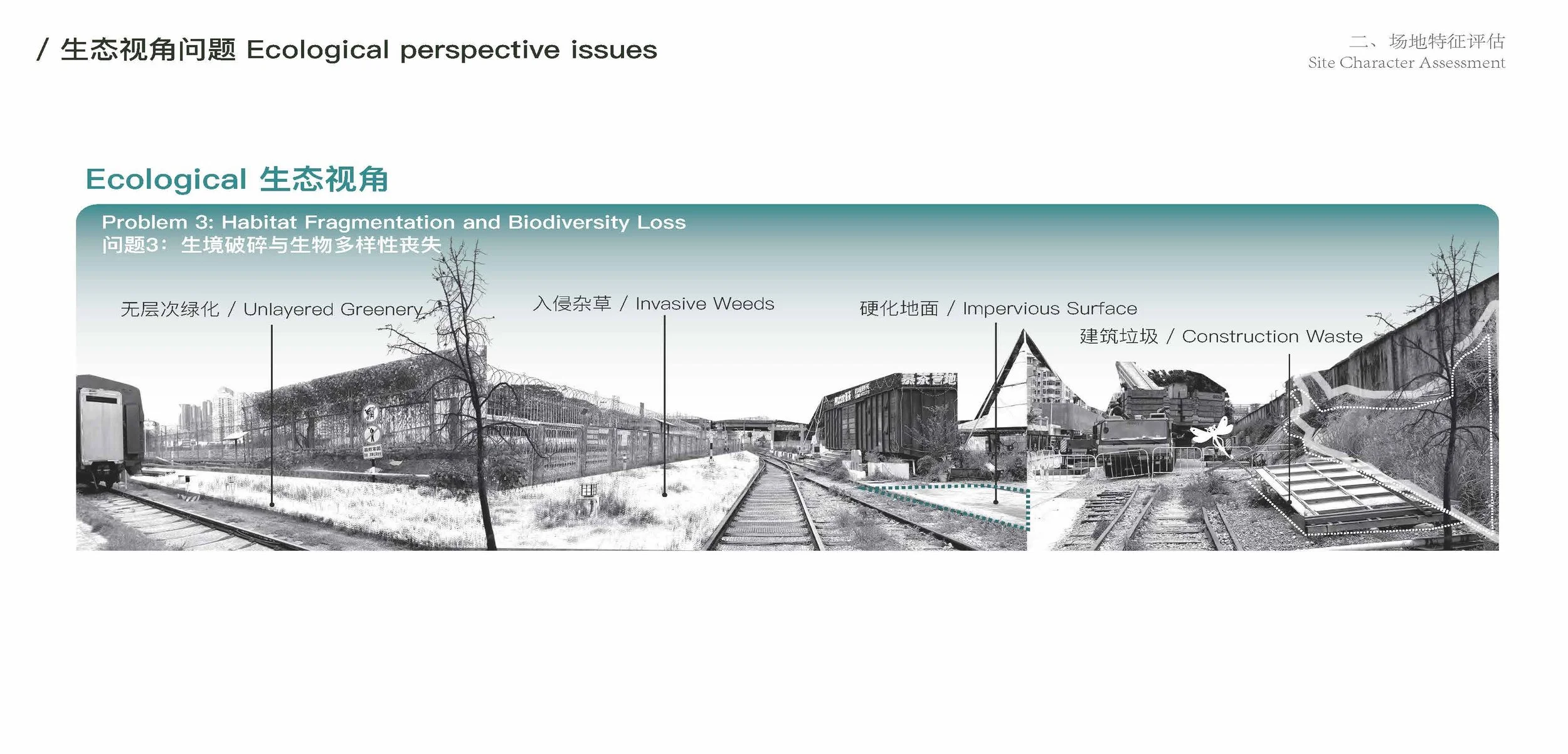
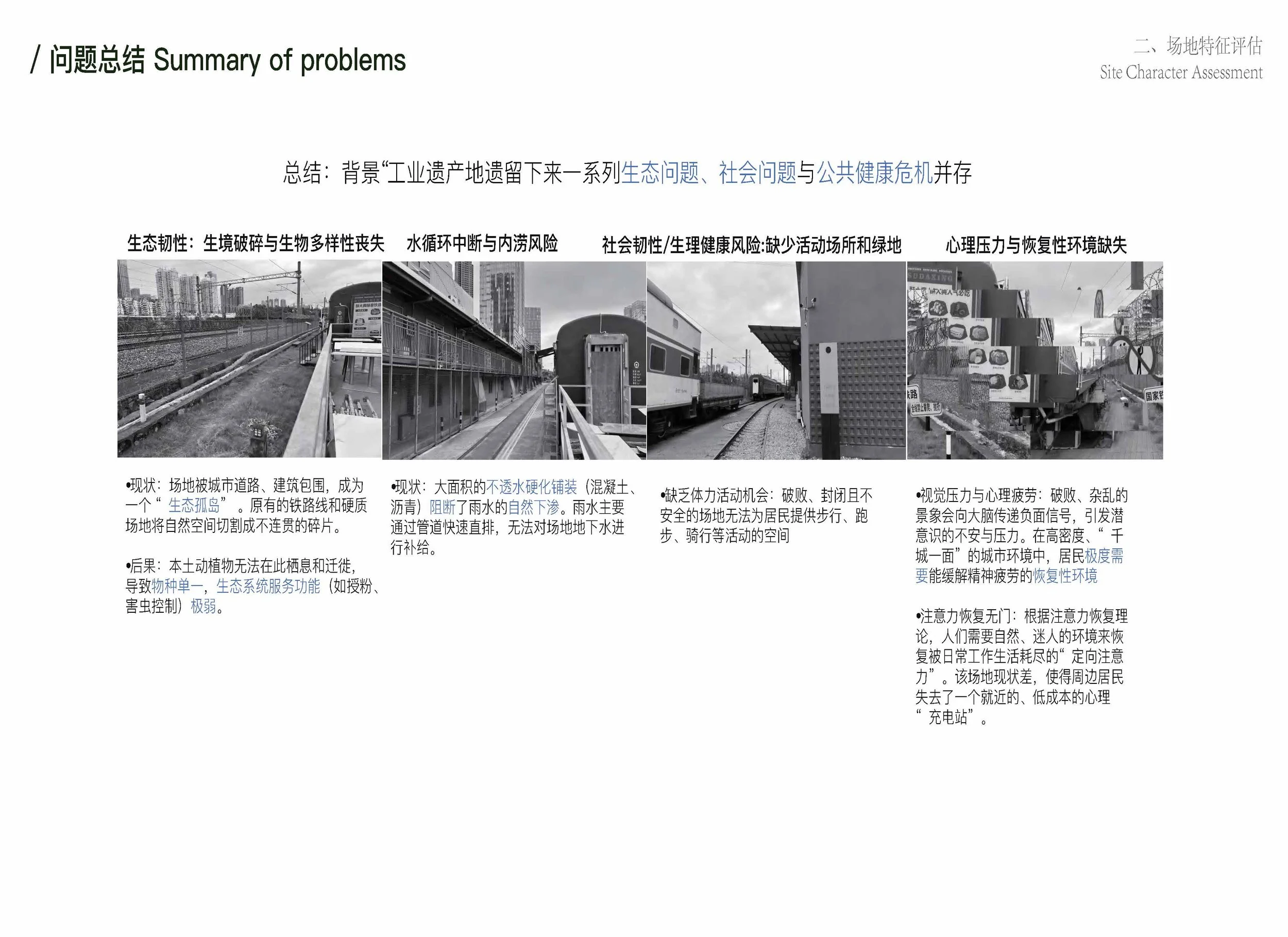
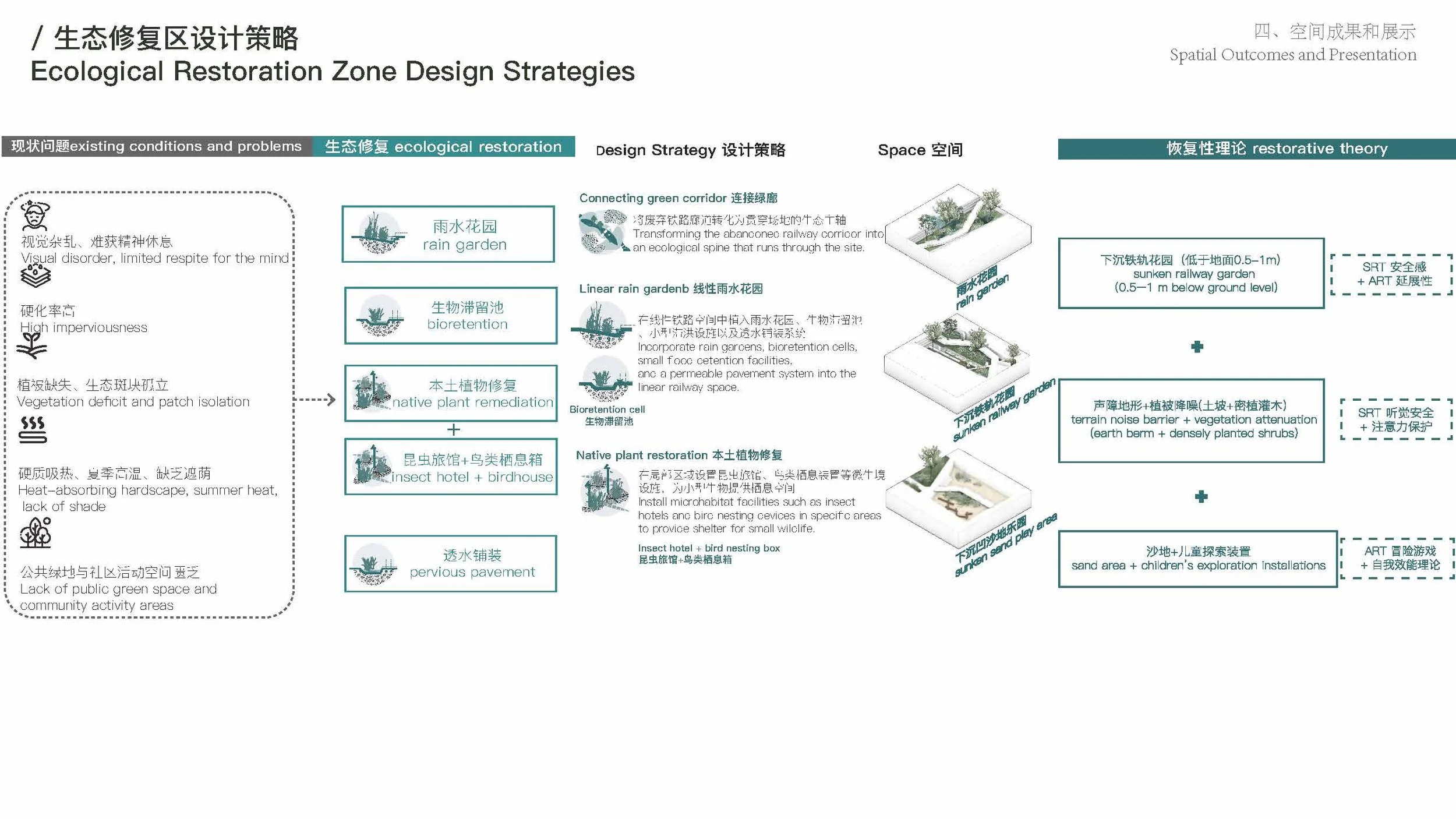
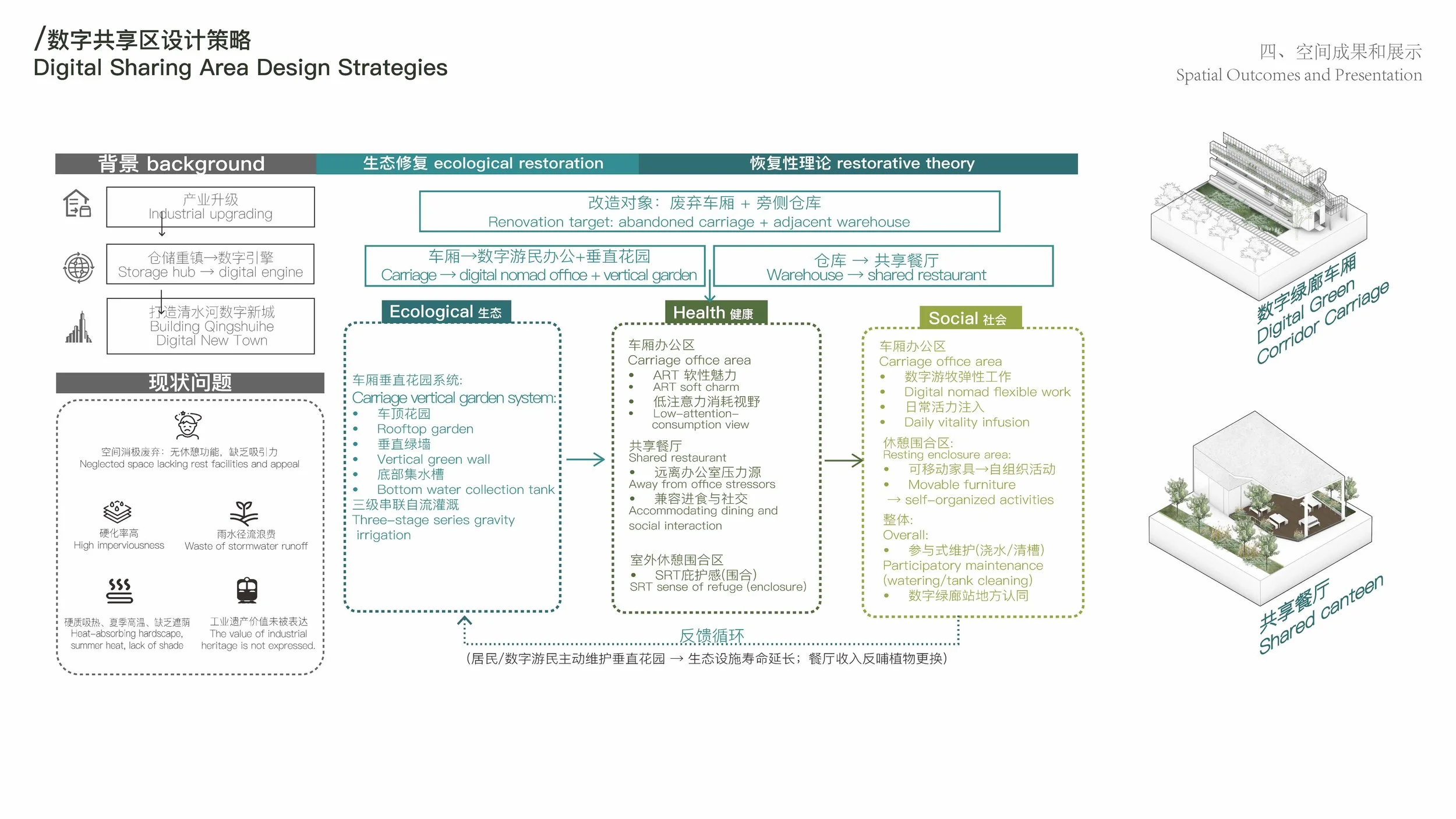
Ecologically, heavy hardscaping has broken the water cycle, causing frequent waterlogging, while lost vegetation and fragmented habitats accelerate biodiversity loss and intensify the heat island effect.
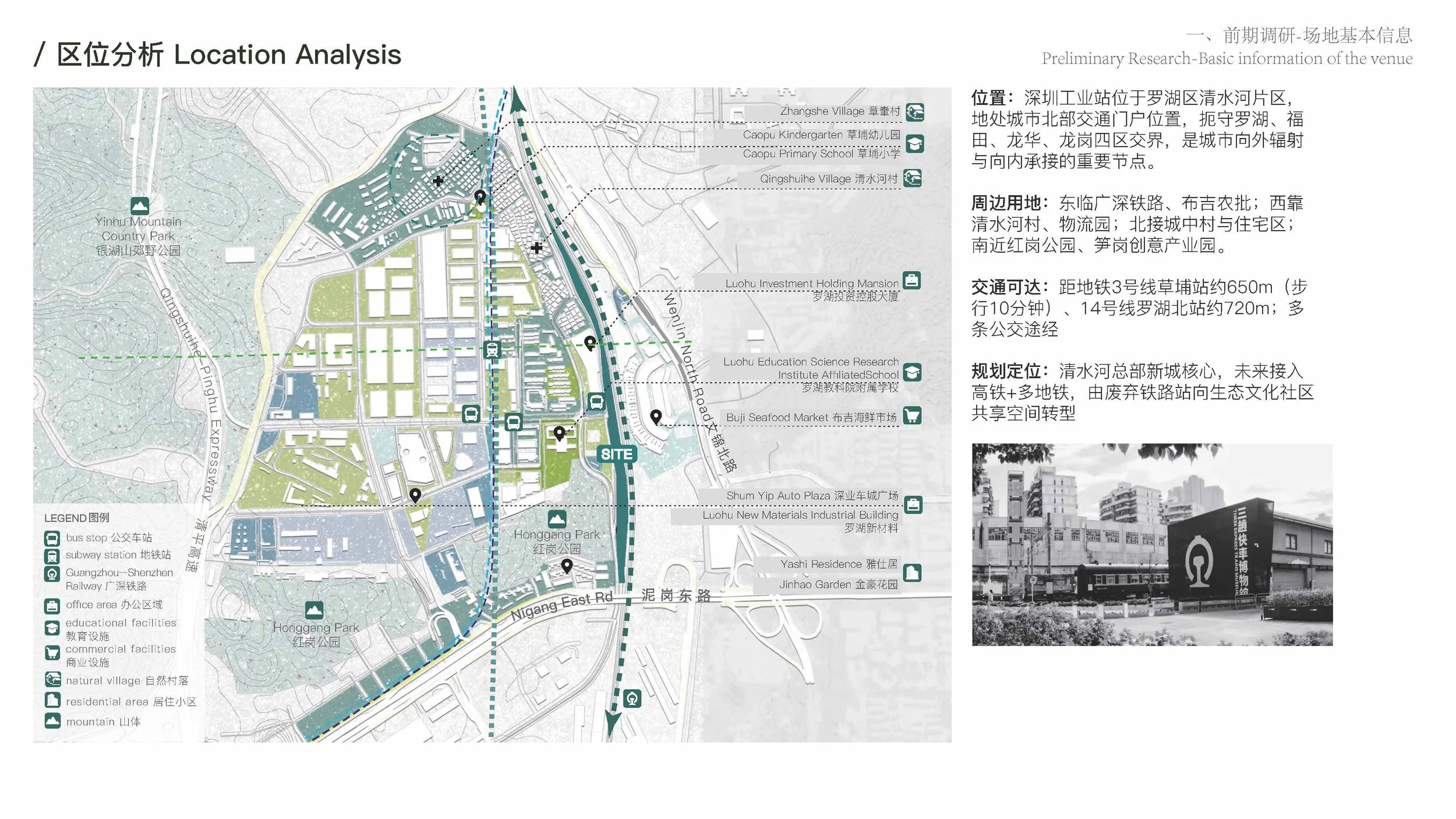
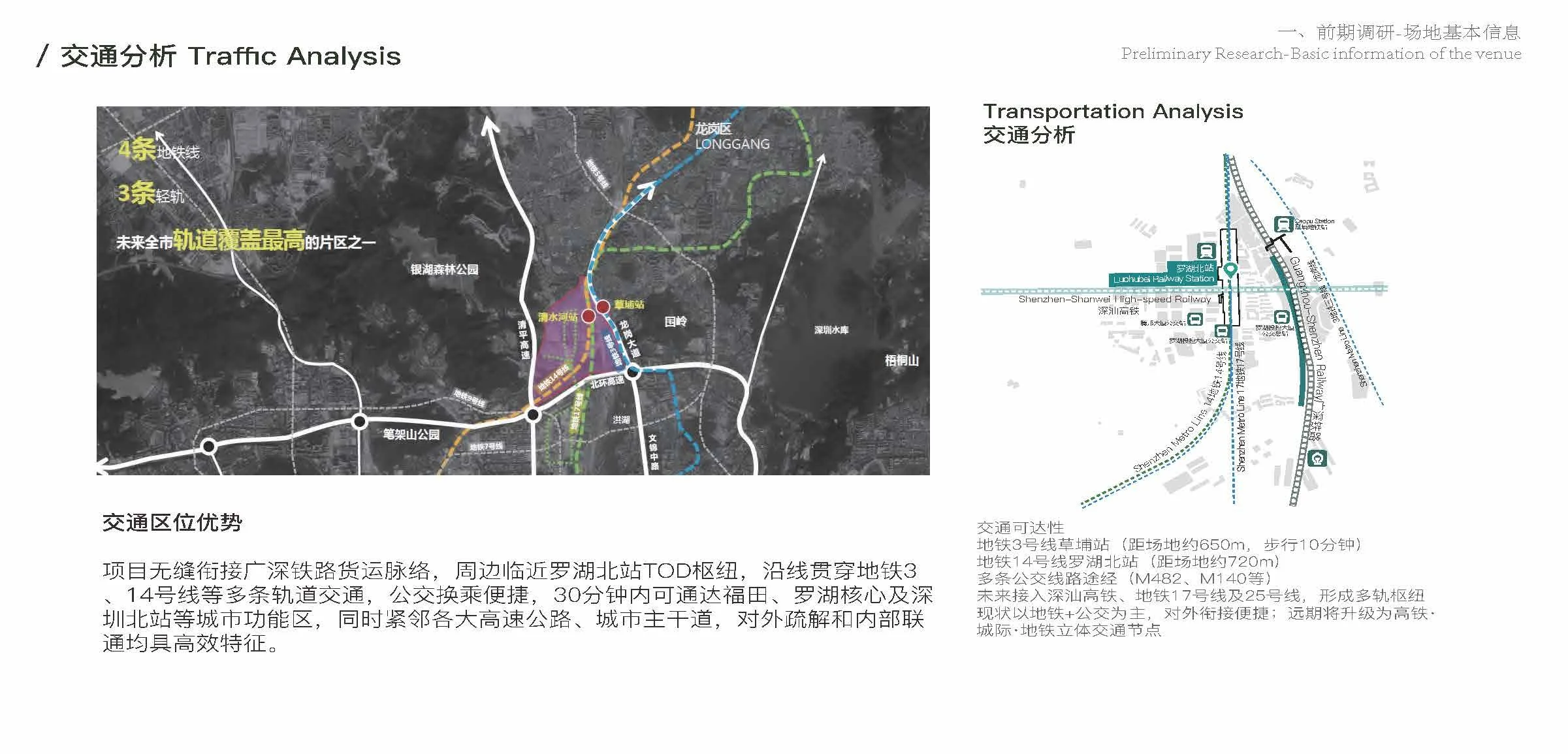
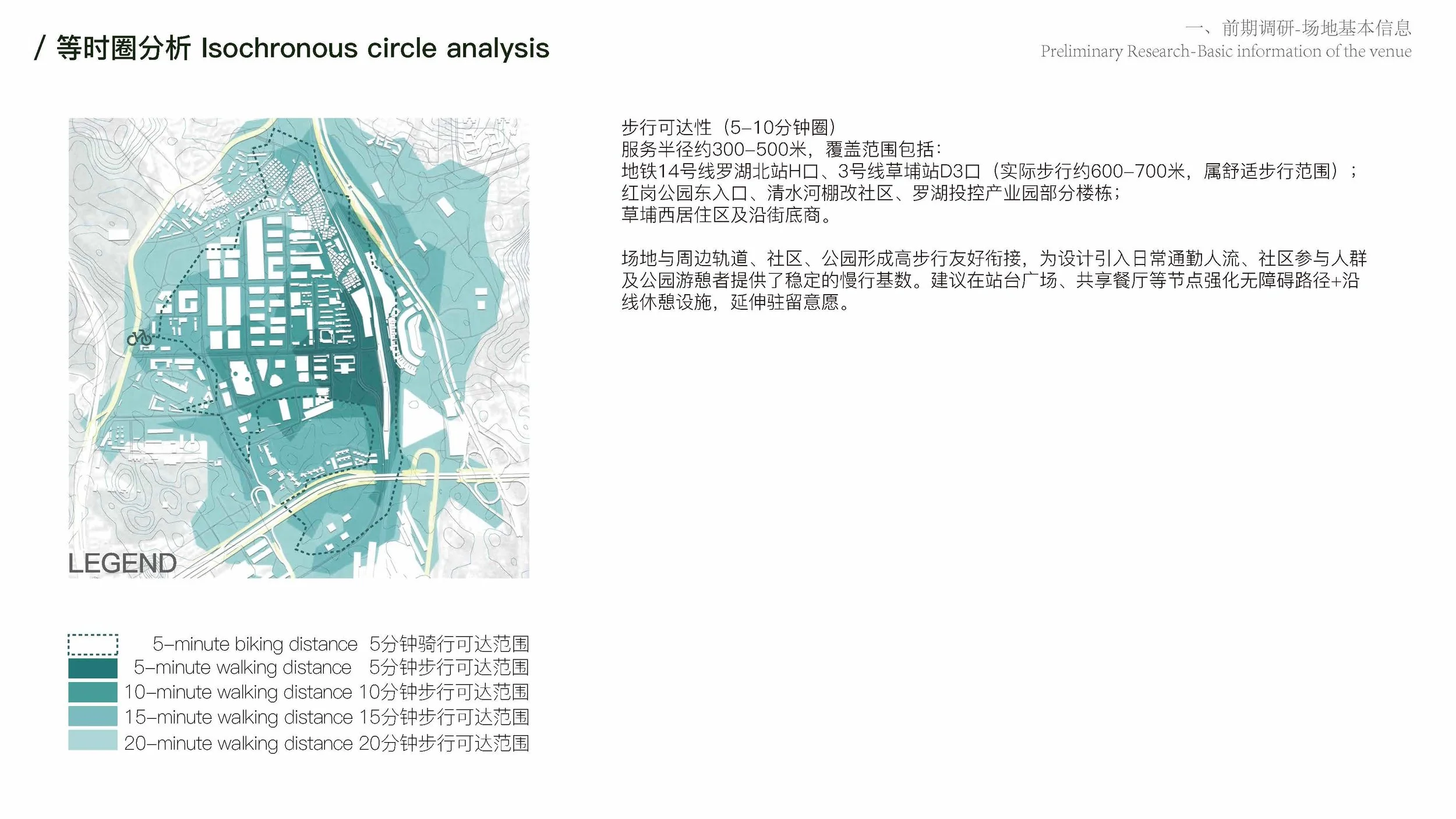
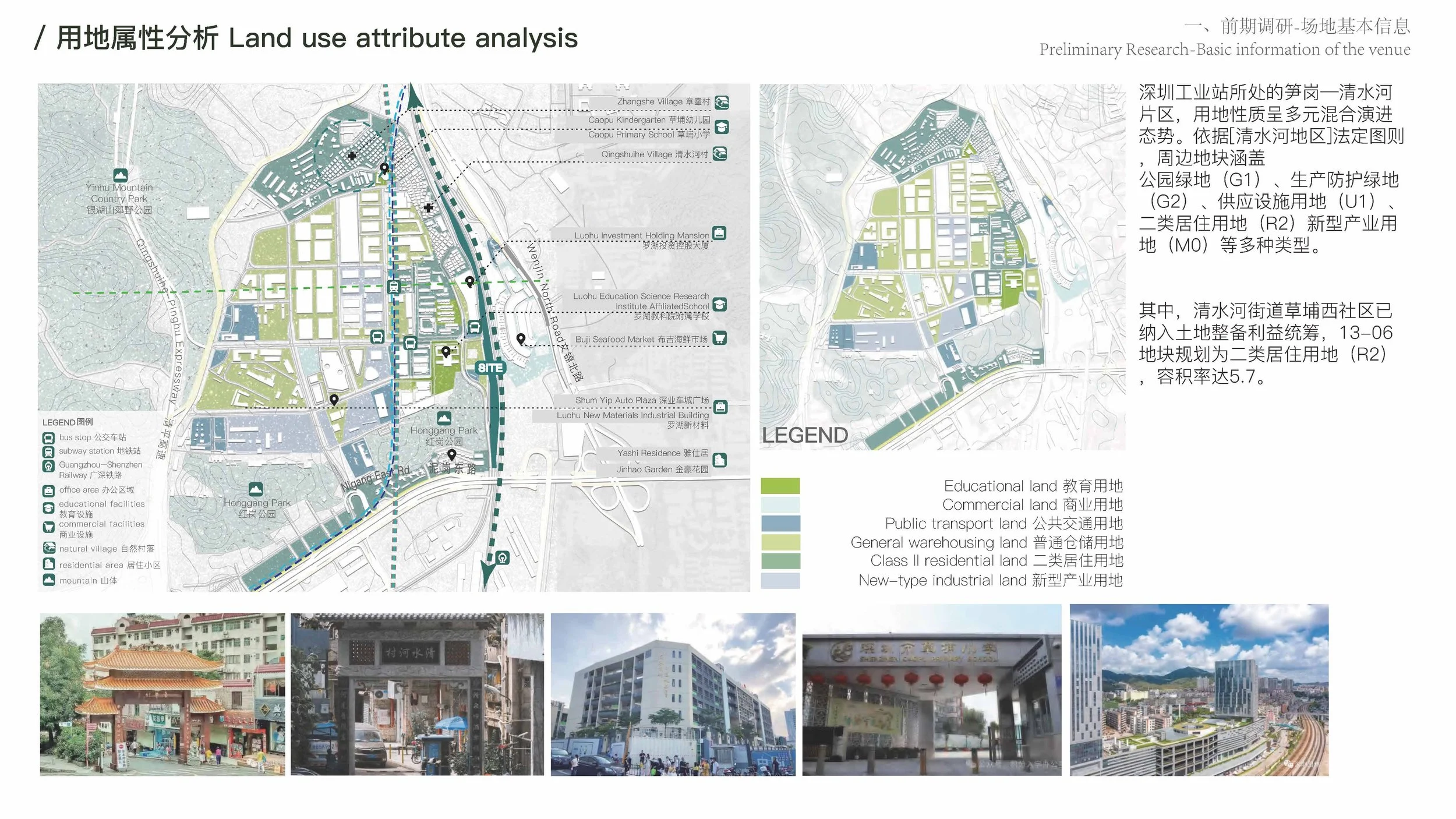
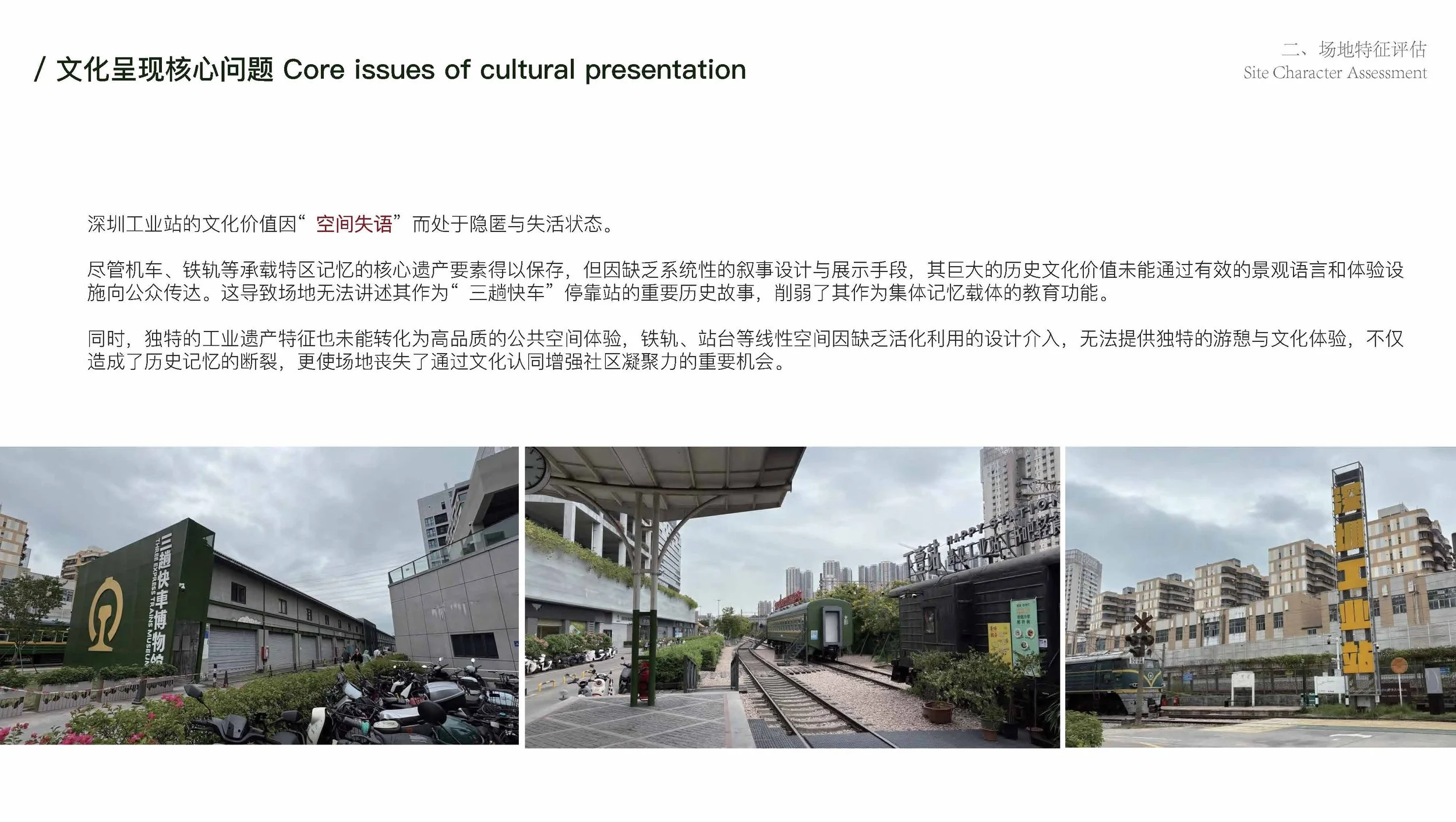
Socially, disconnected paths and weak ties to surrounding neighbourhoods leave the site underused; its industrial heritage remains unexpressed, depriving the place of vitality and belonging.
From a health perspective, visual clutter denies visitors mental rest, monotonous spaces fail diverse needs, and everyday spaces for fitness, slow mobility, and nature contact are absent. Together, these interlocking problems have left the site a forgotten corner of the city.
The Strategy
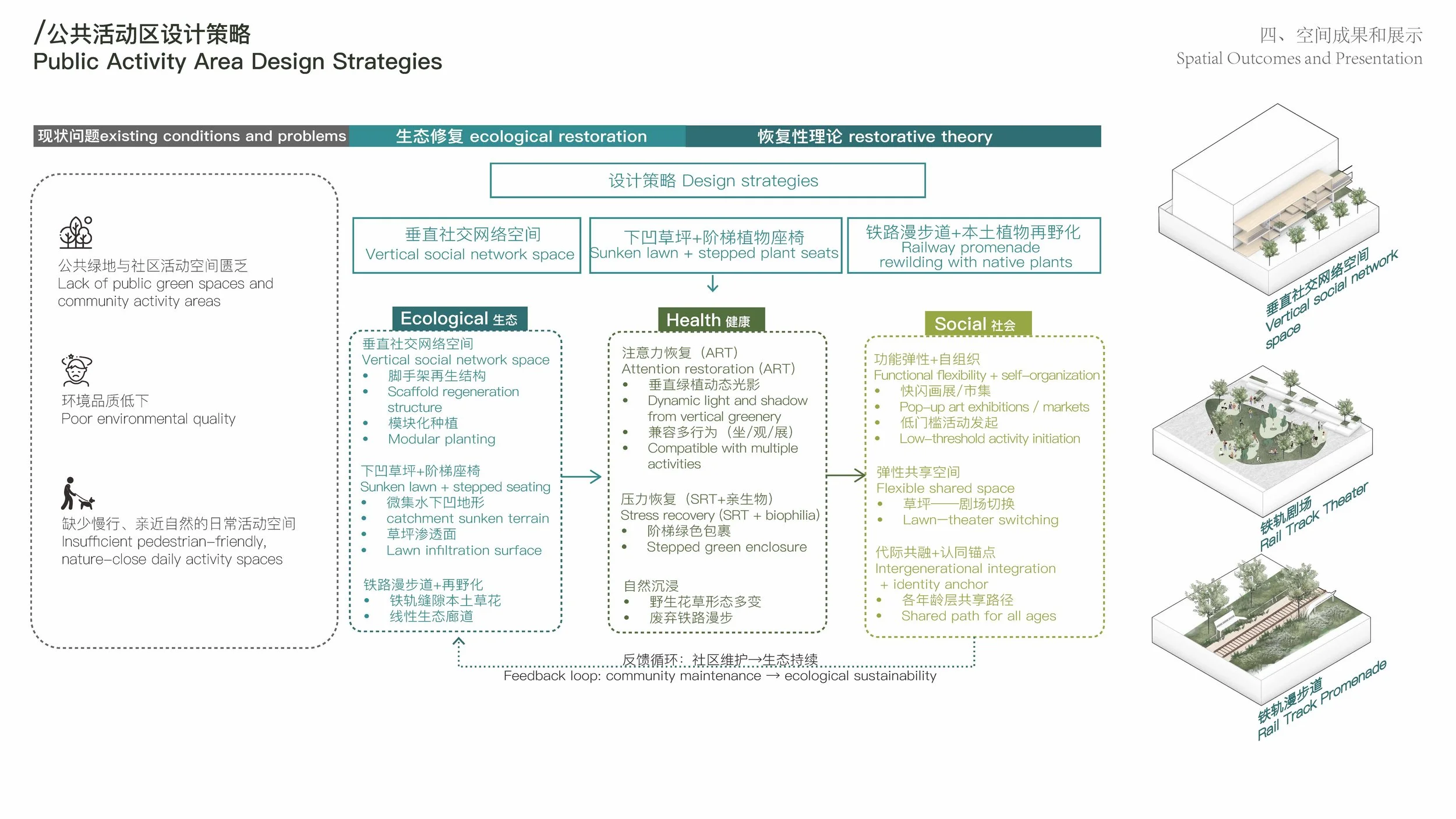
The design responds through three interlocking strategies.
Rebuilding the water cycle
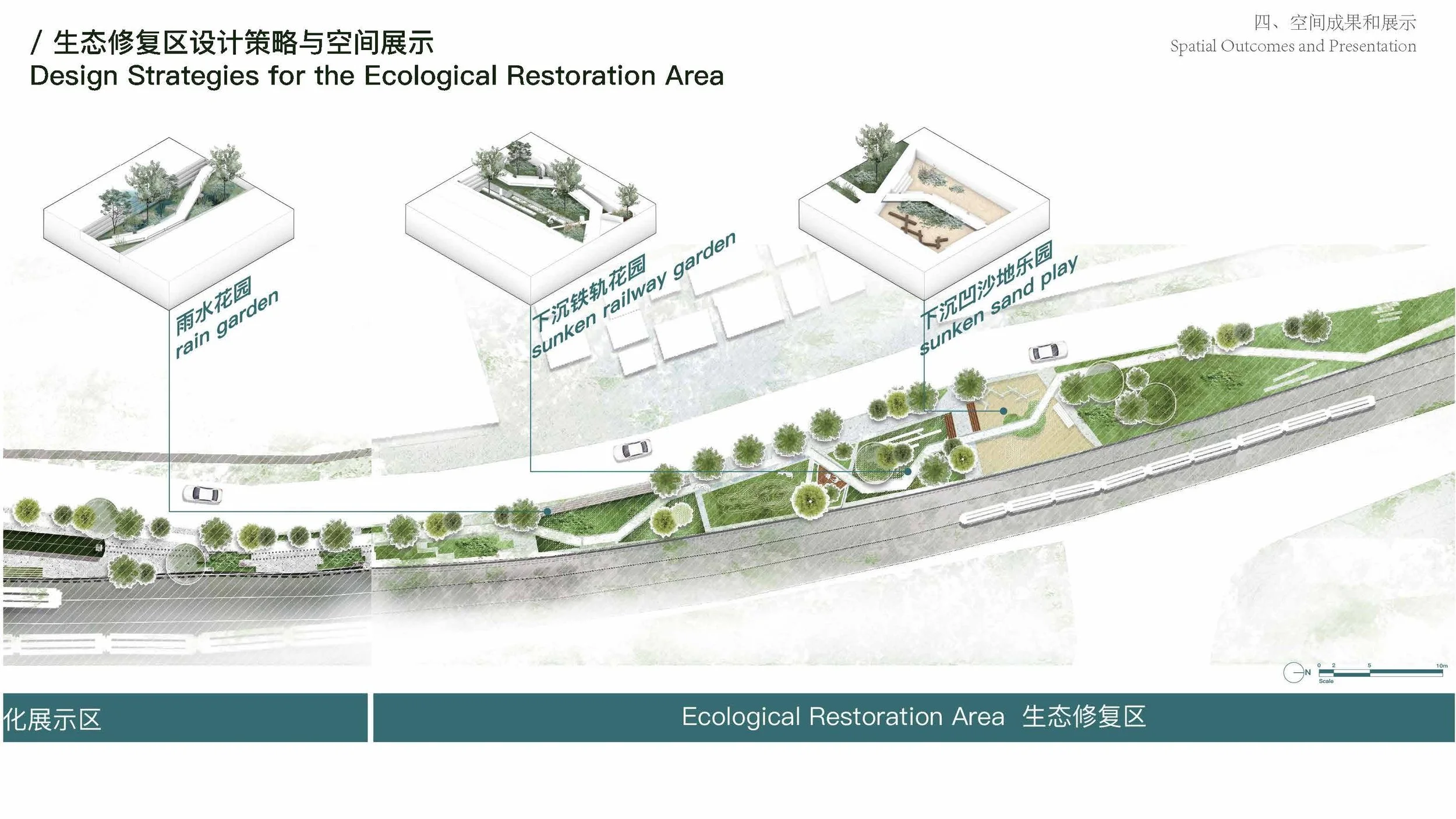
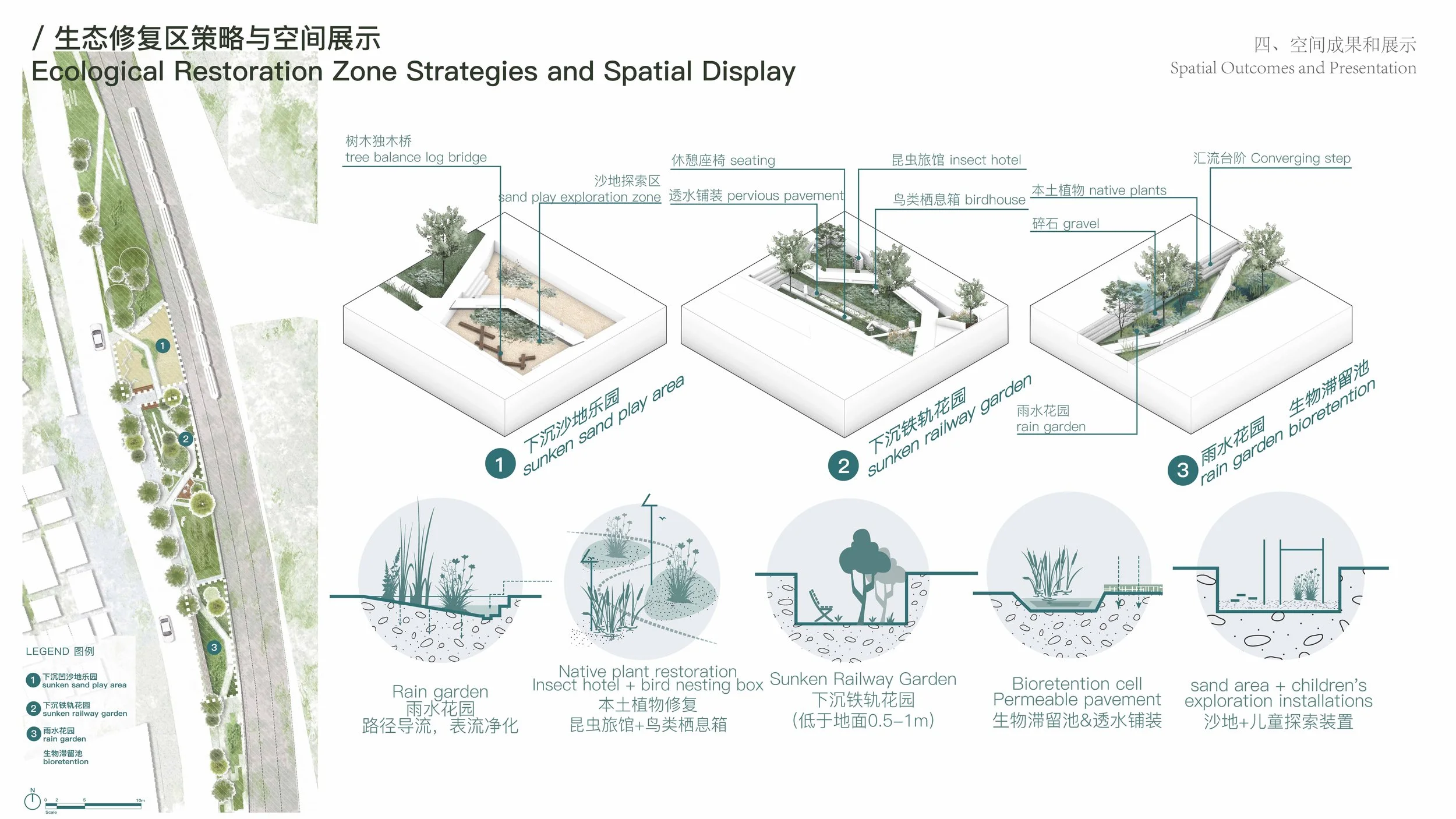
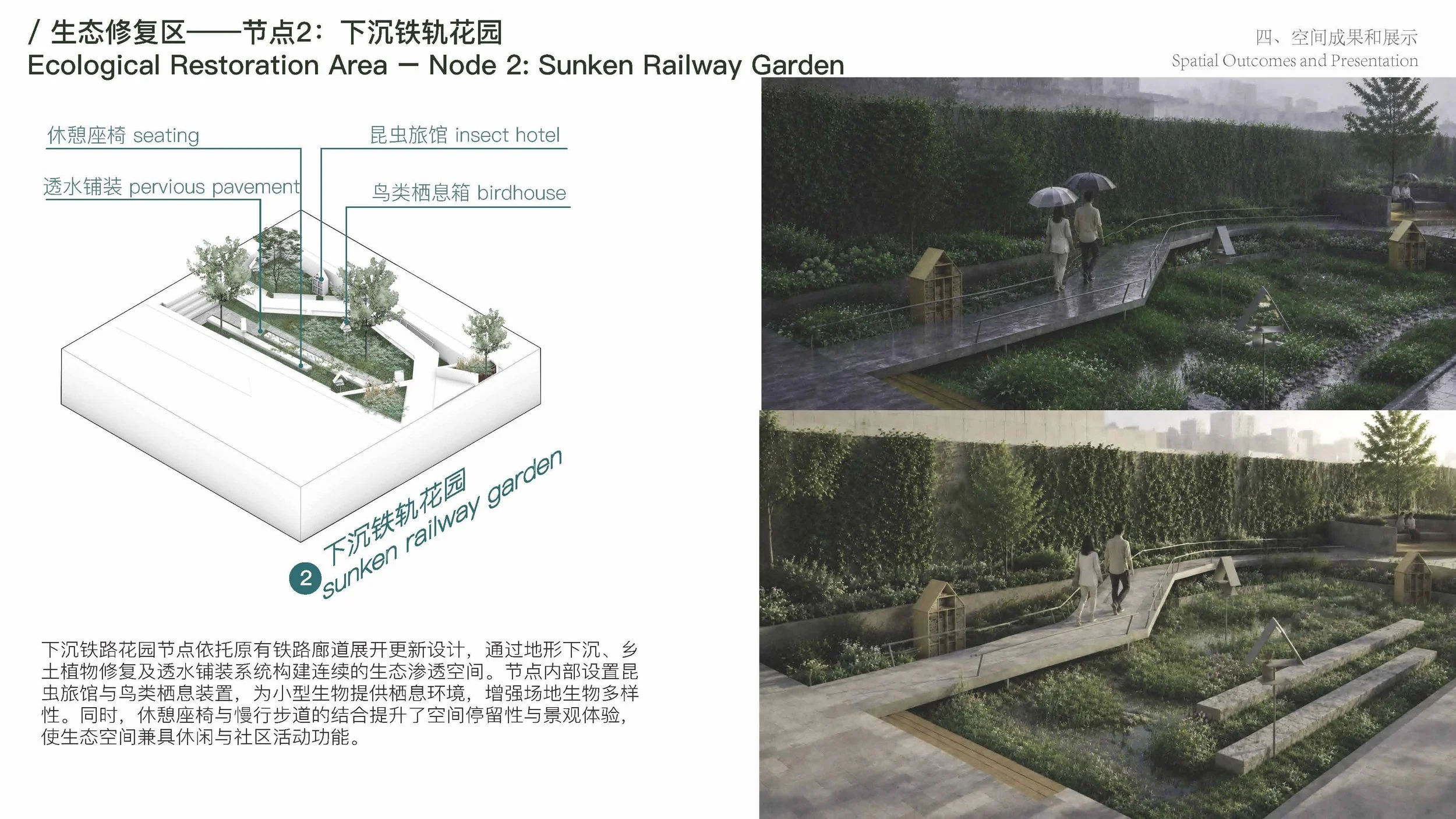
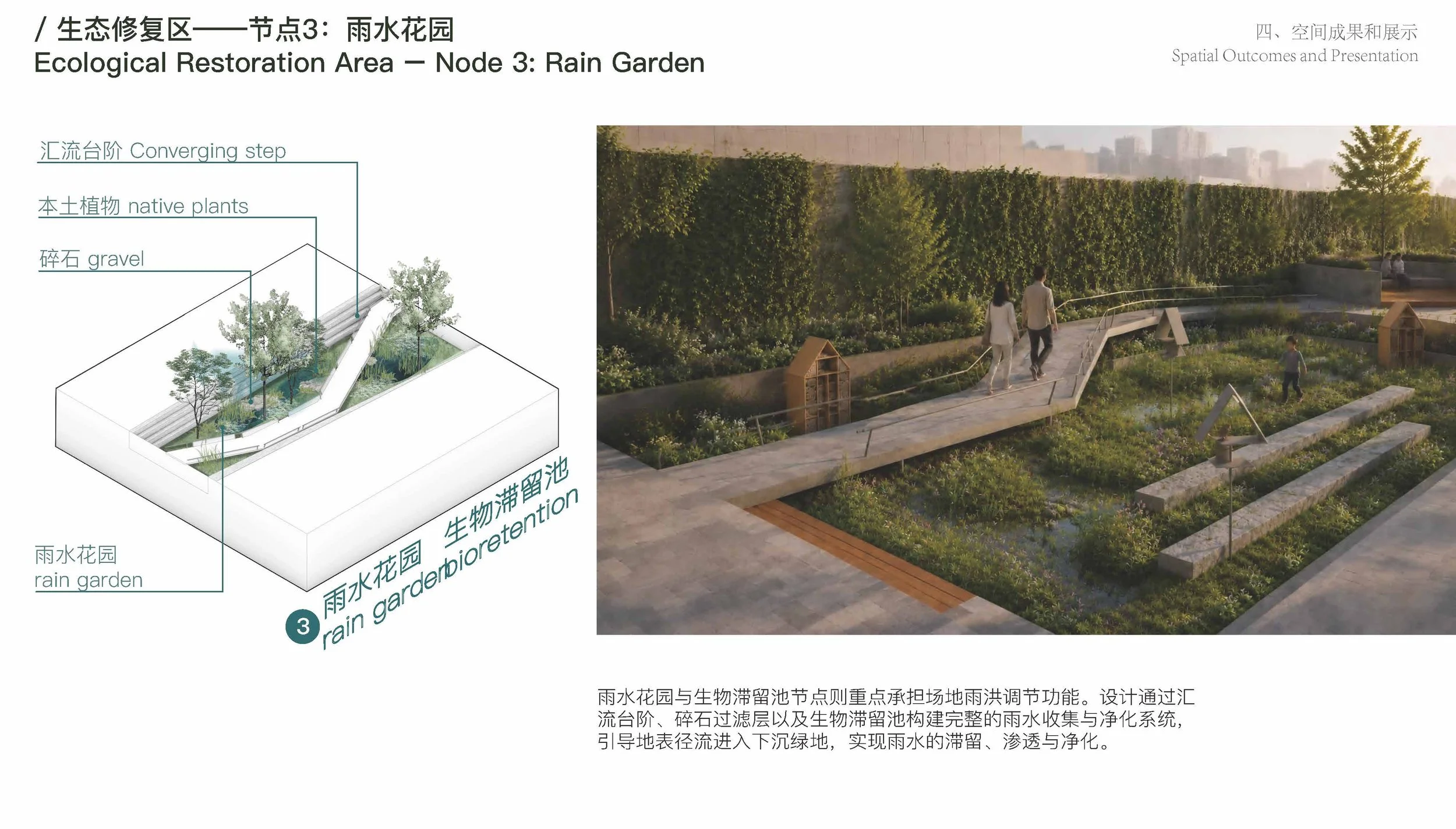
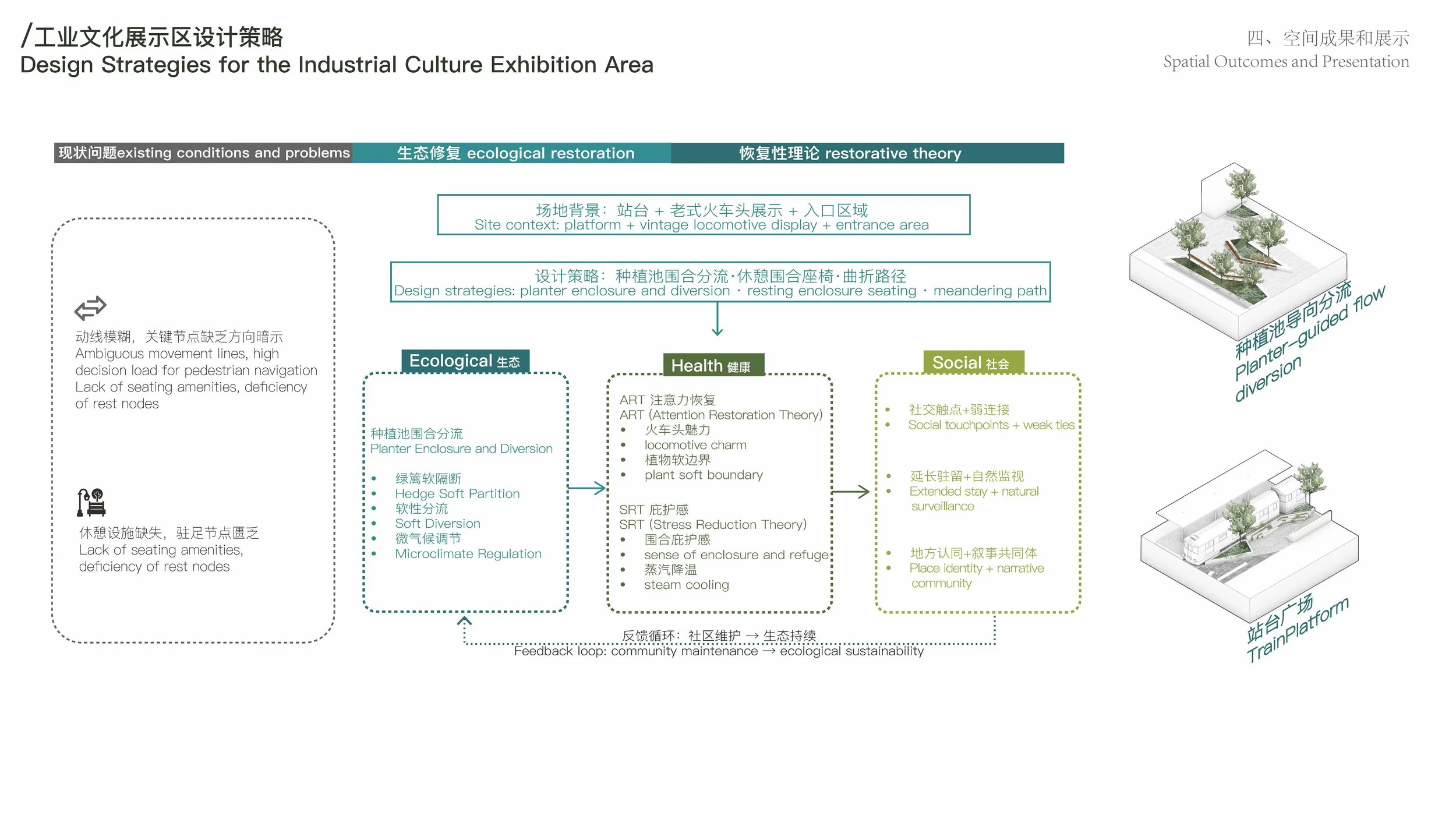
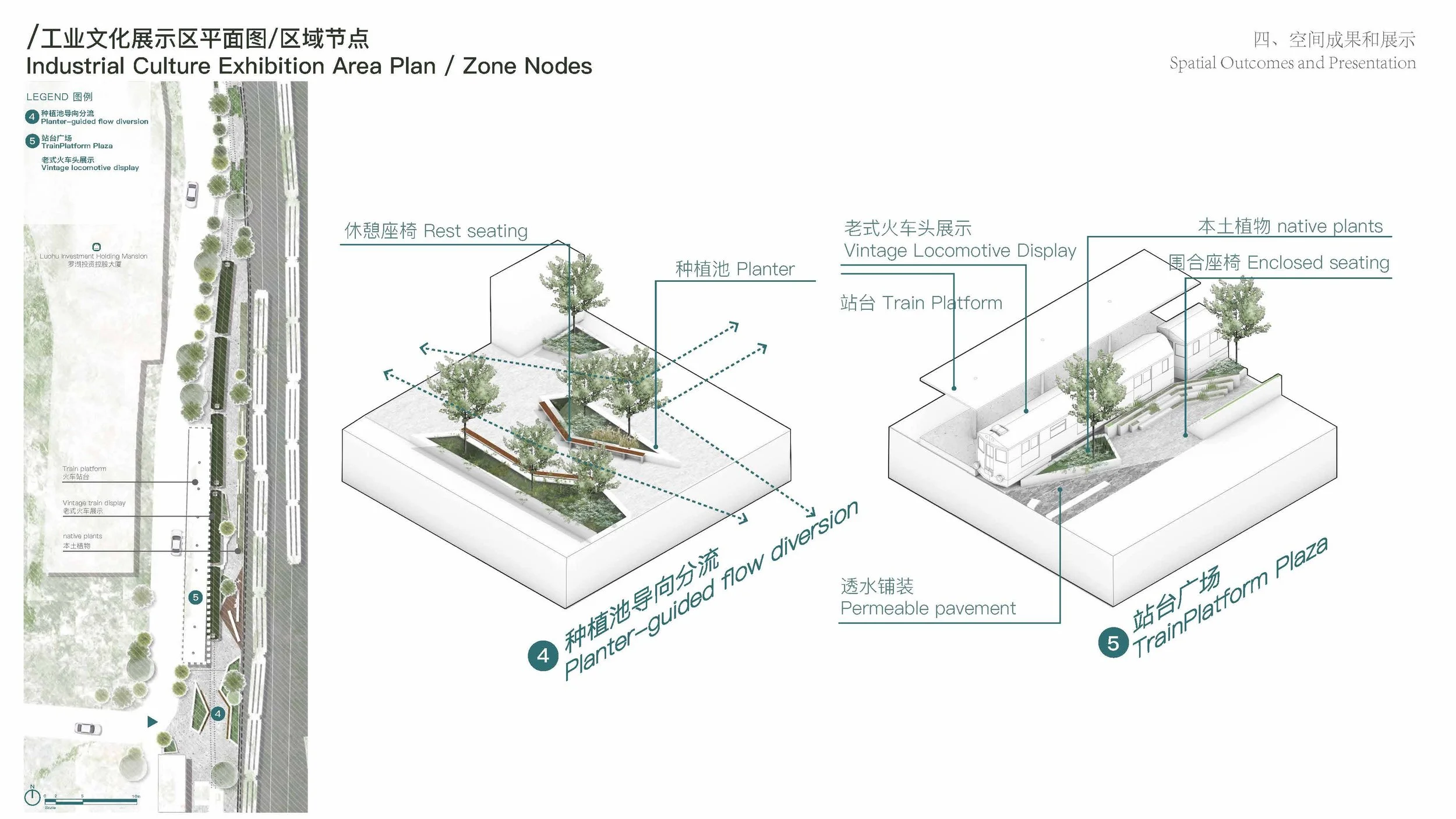
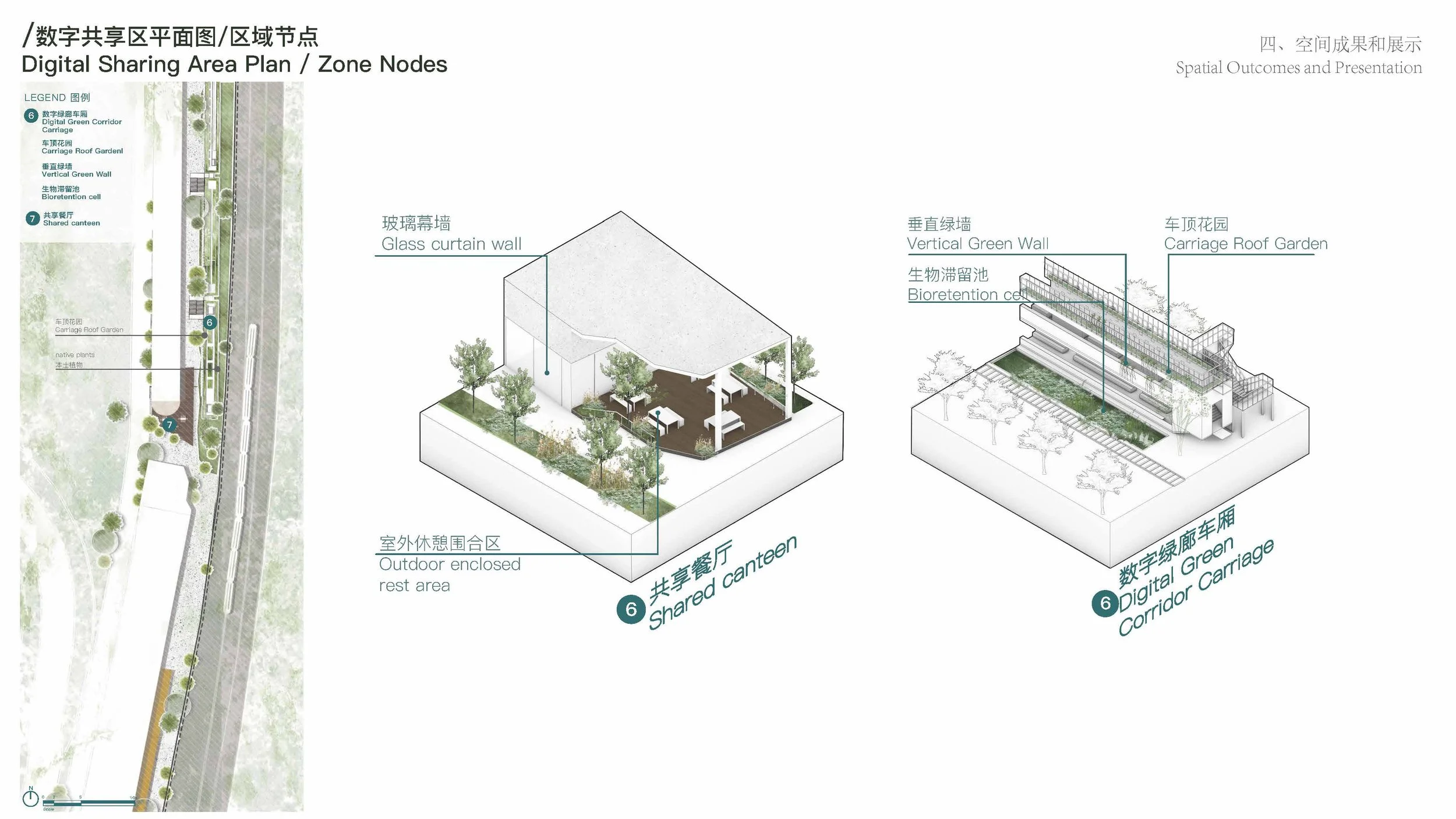
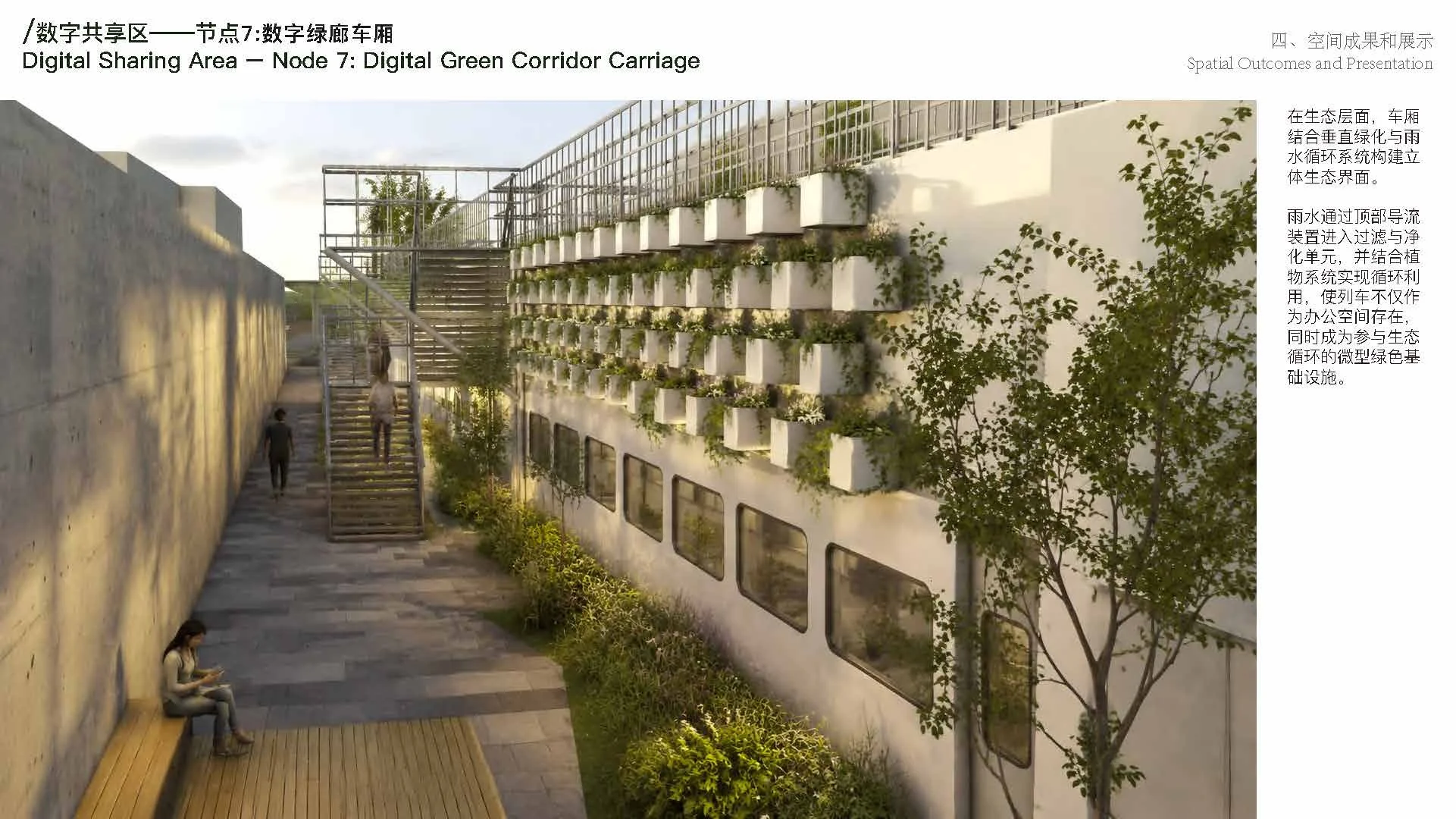
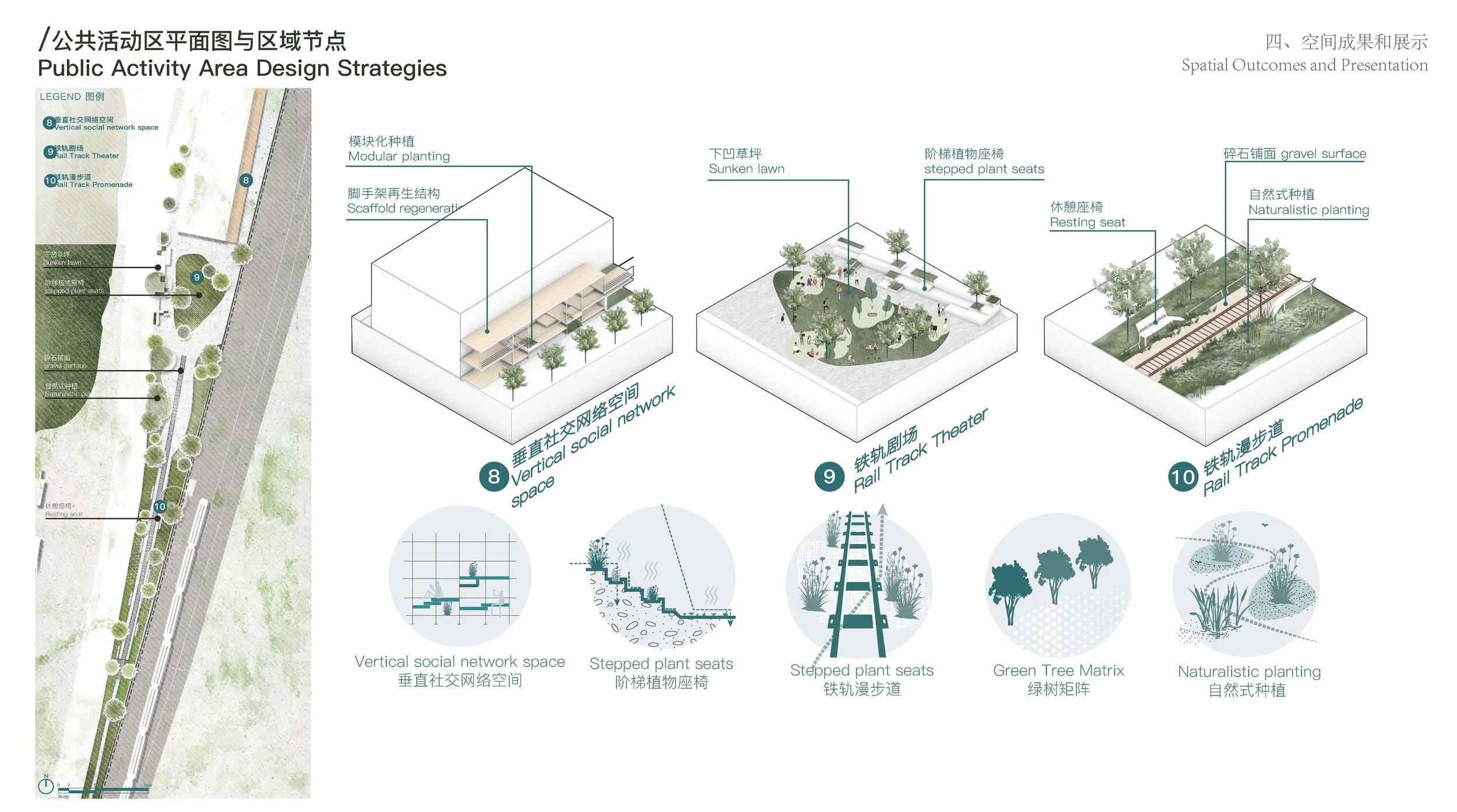
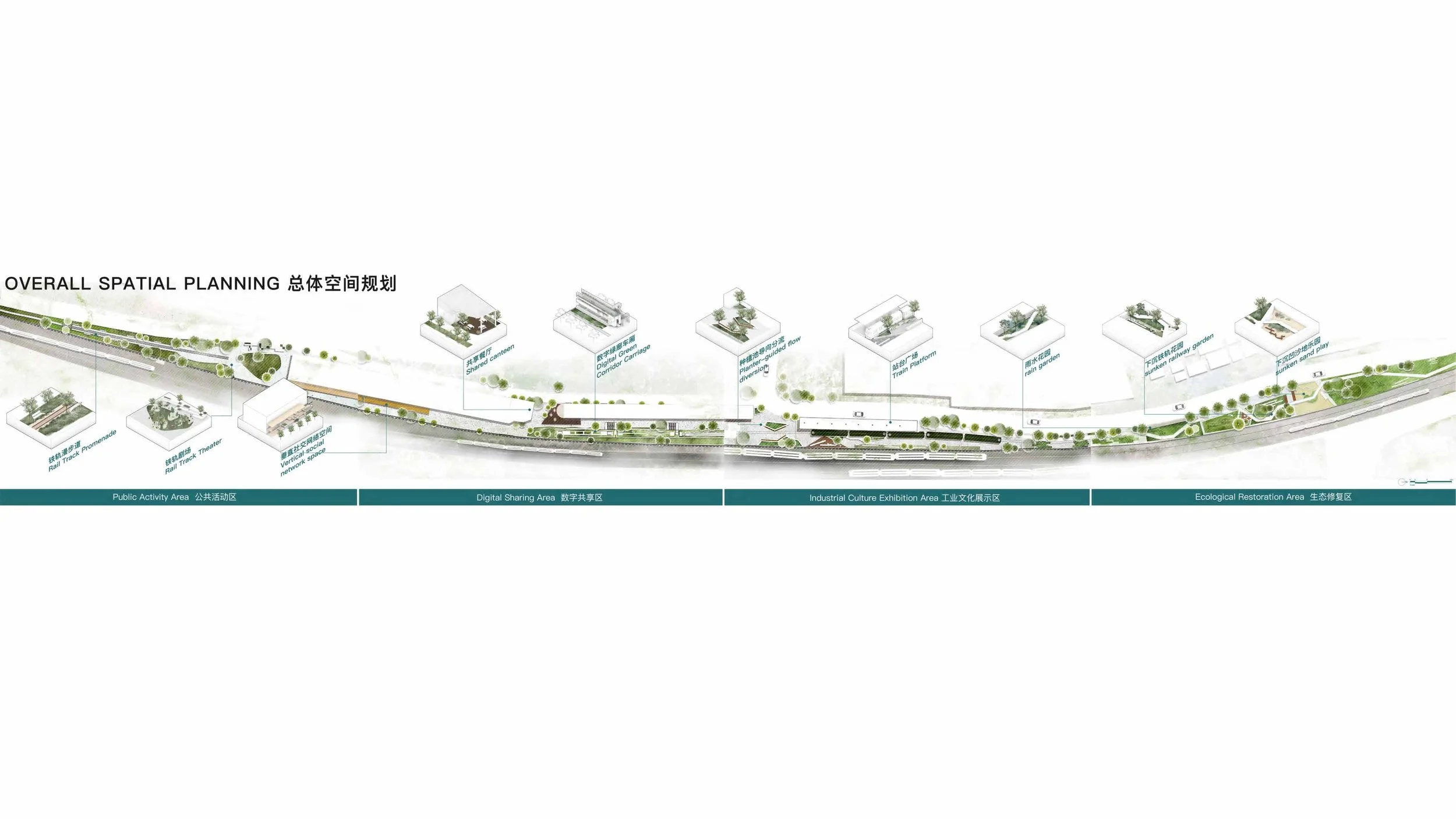
rain gardens, bioretention cells, permeable paving, and detention basins form a sponge system, while native planting, a shading tree matrix, and insect hotels restore ecological resilience.
Stitching the site
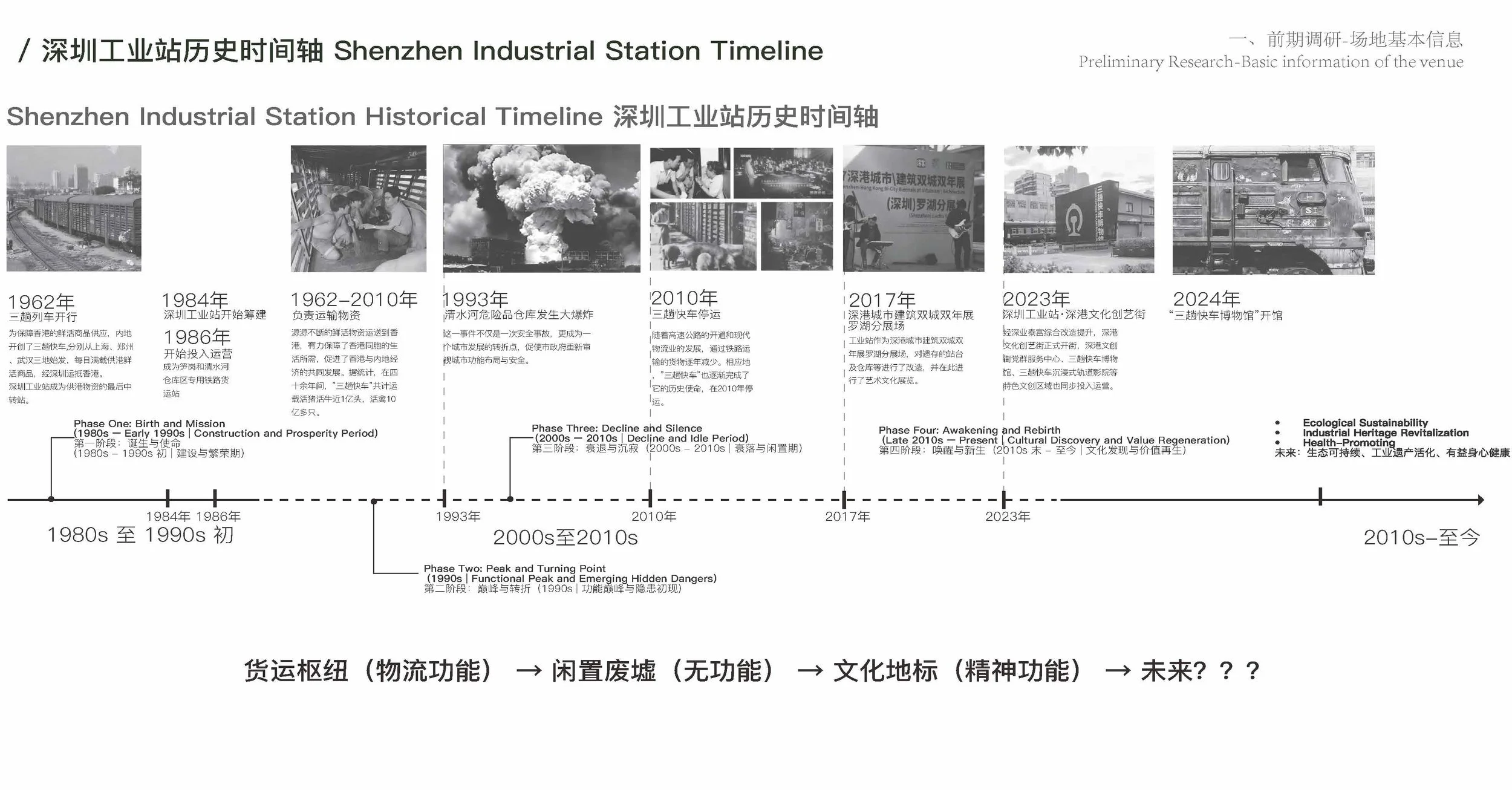
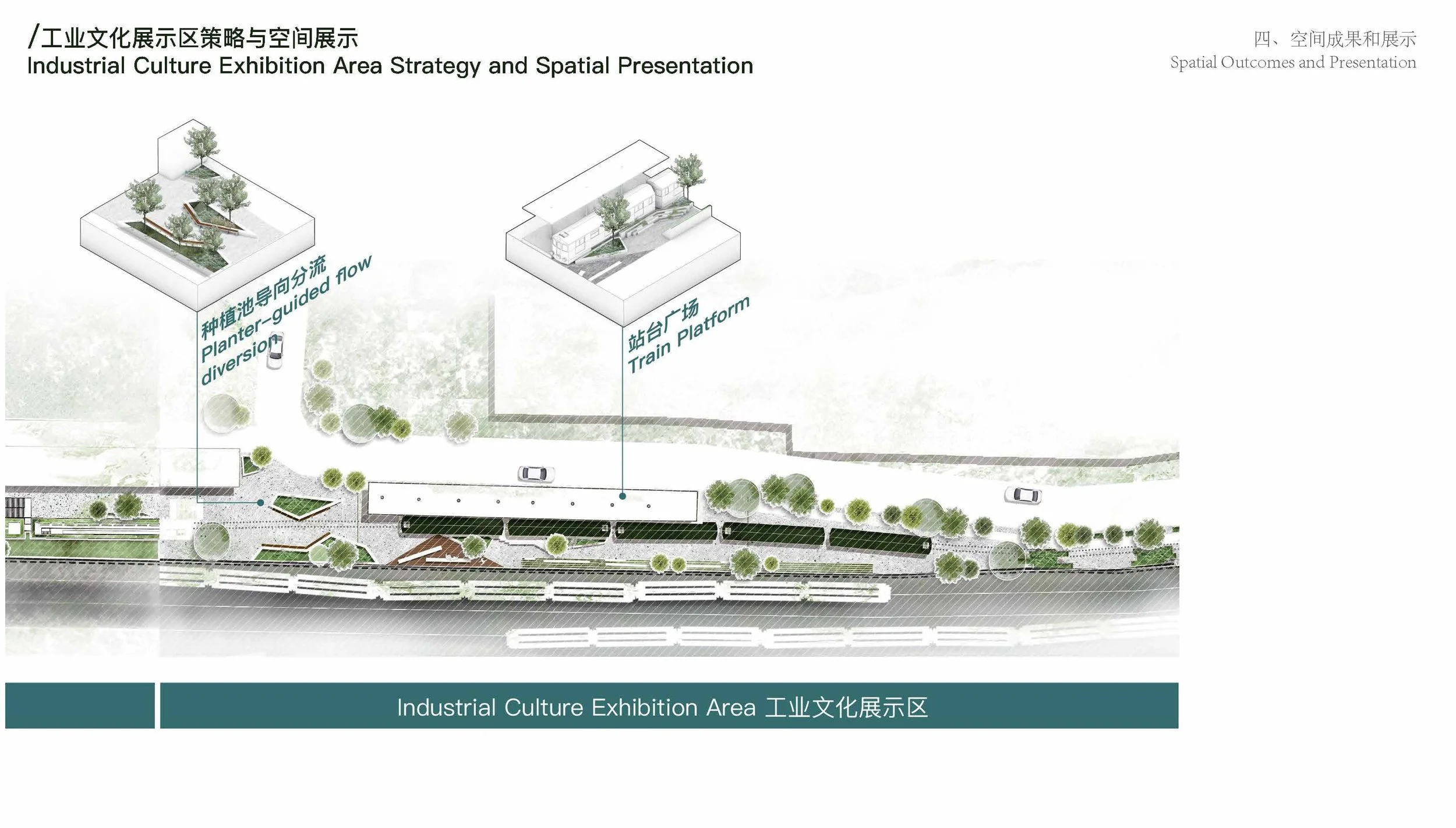
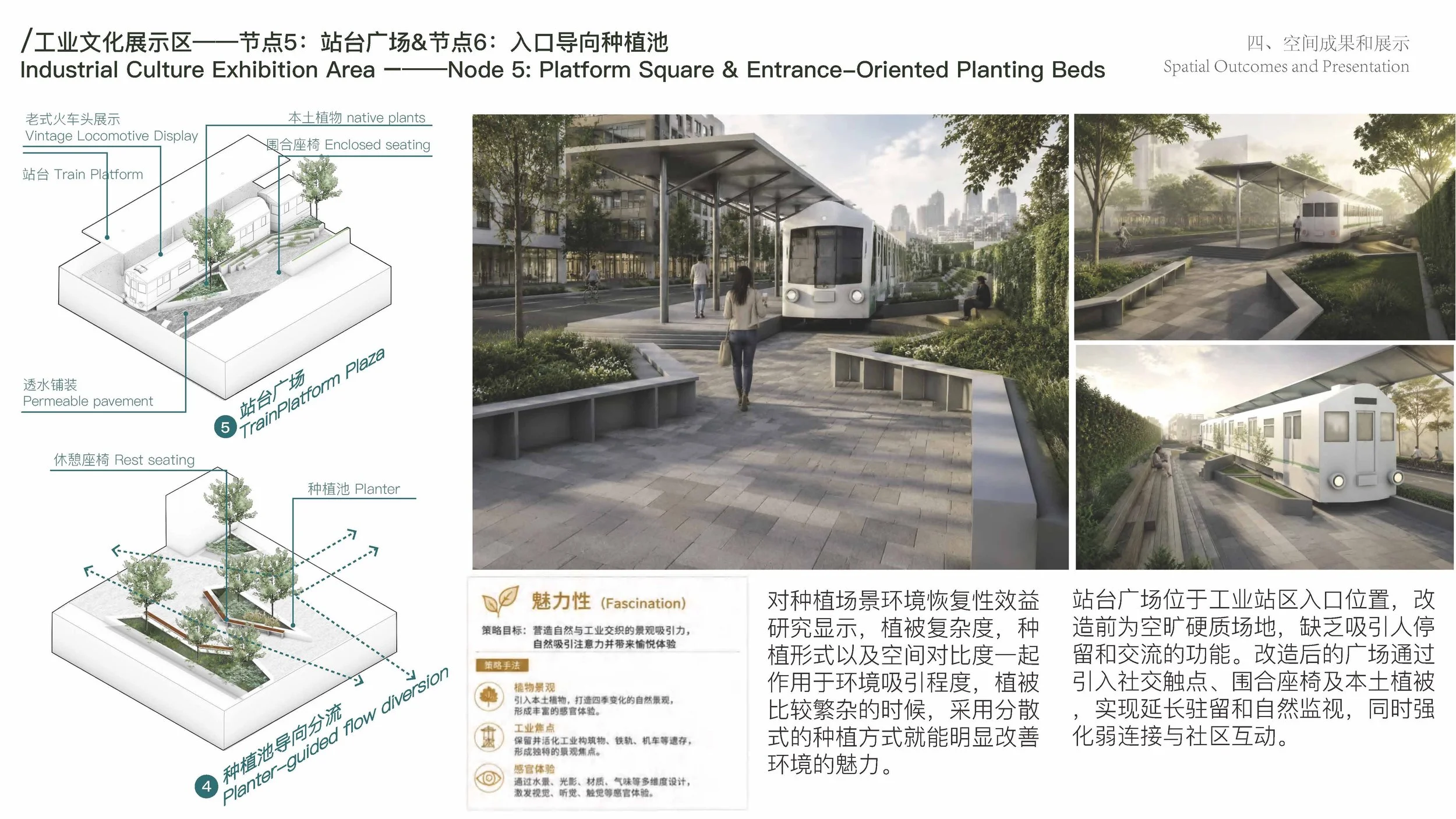
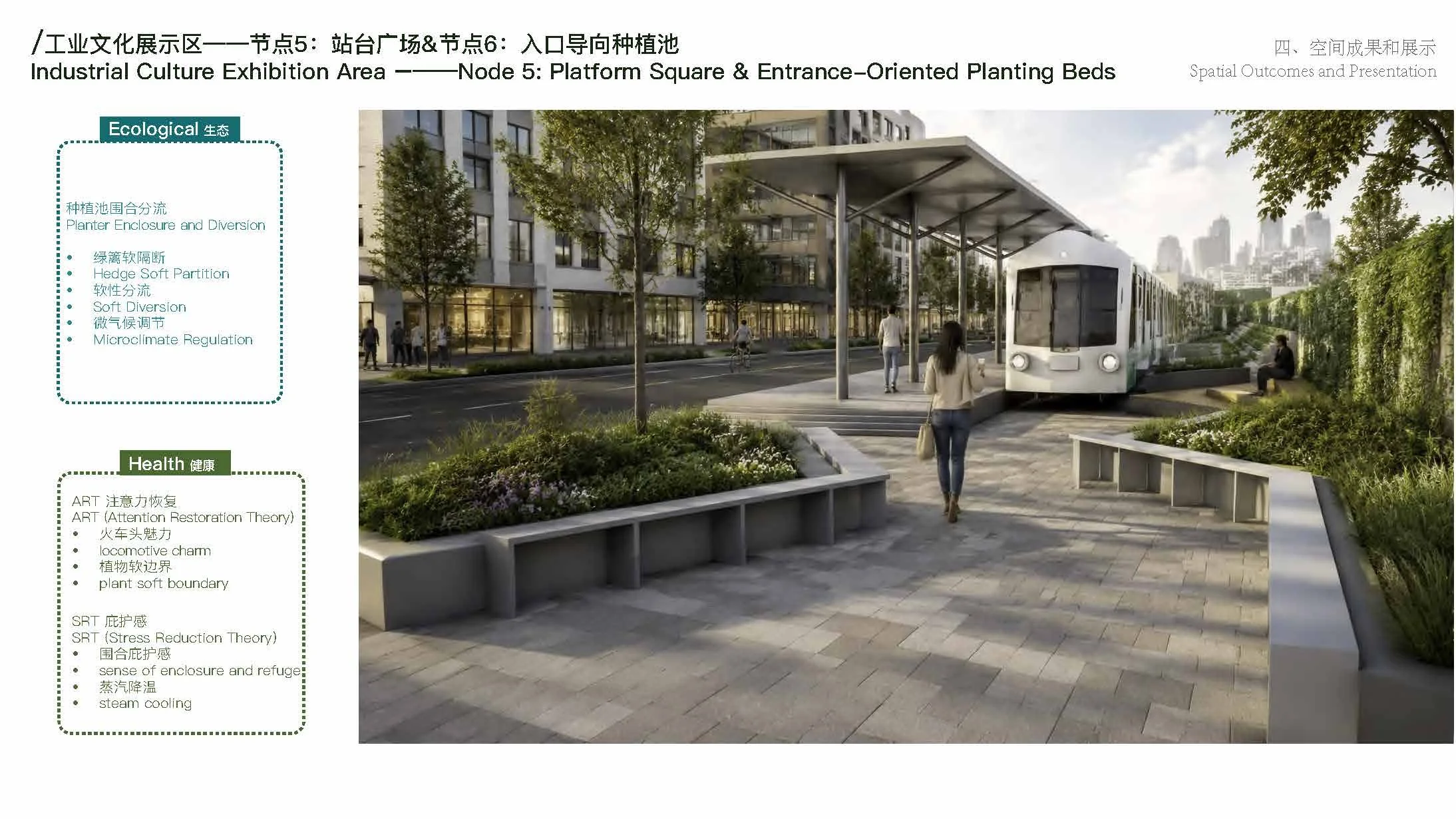
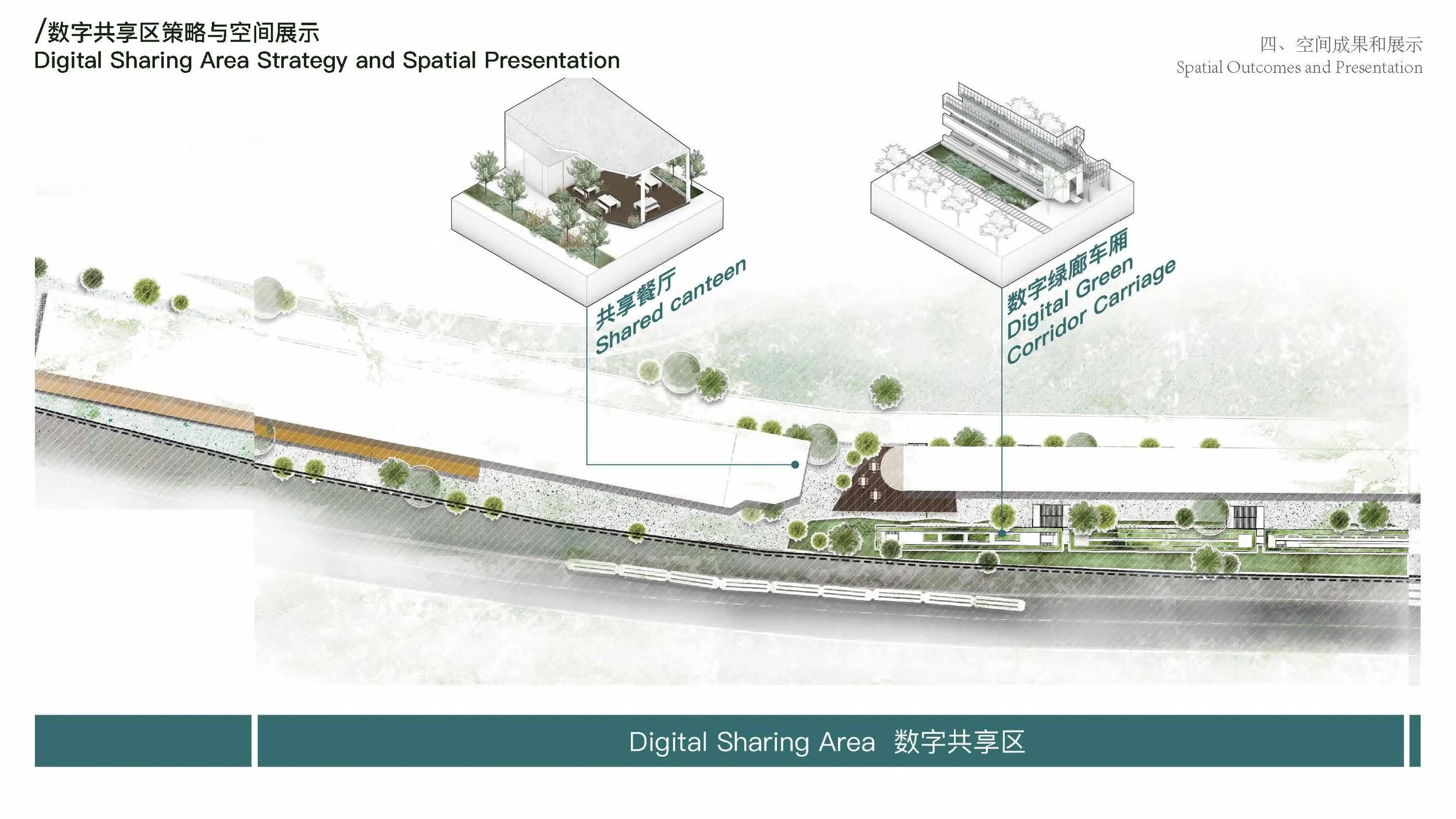
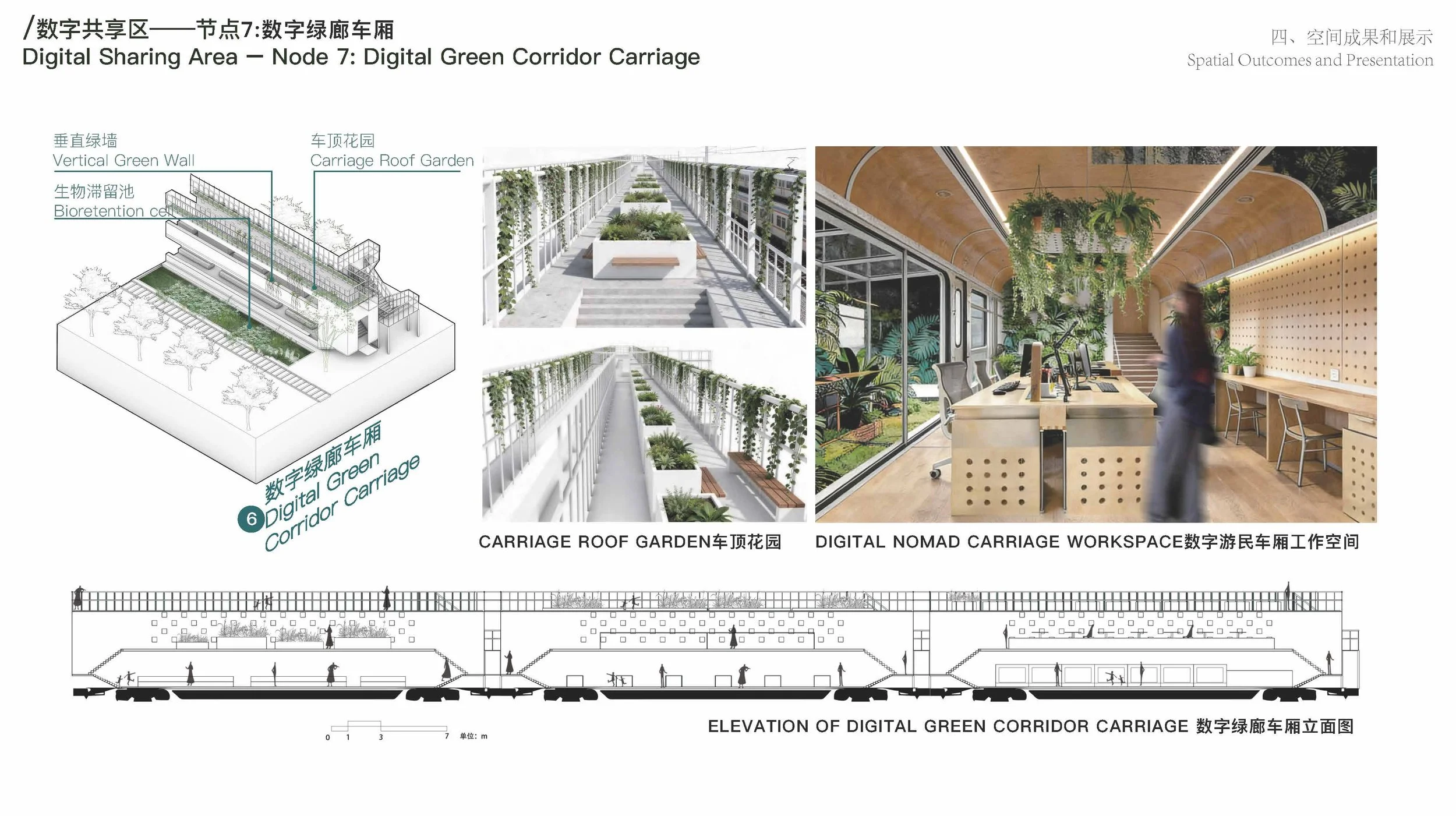
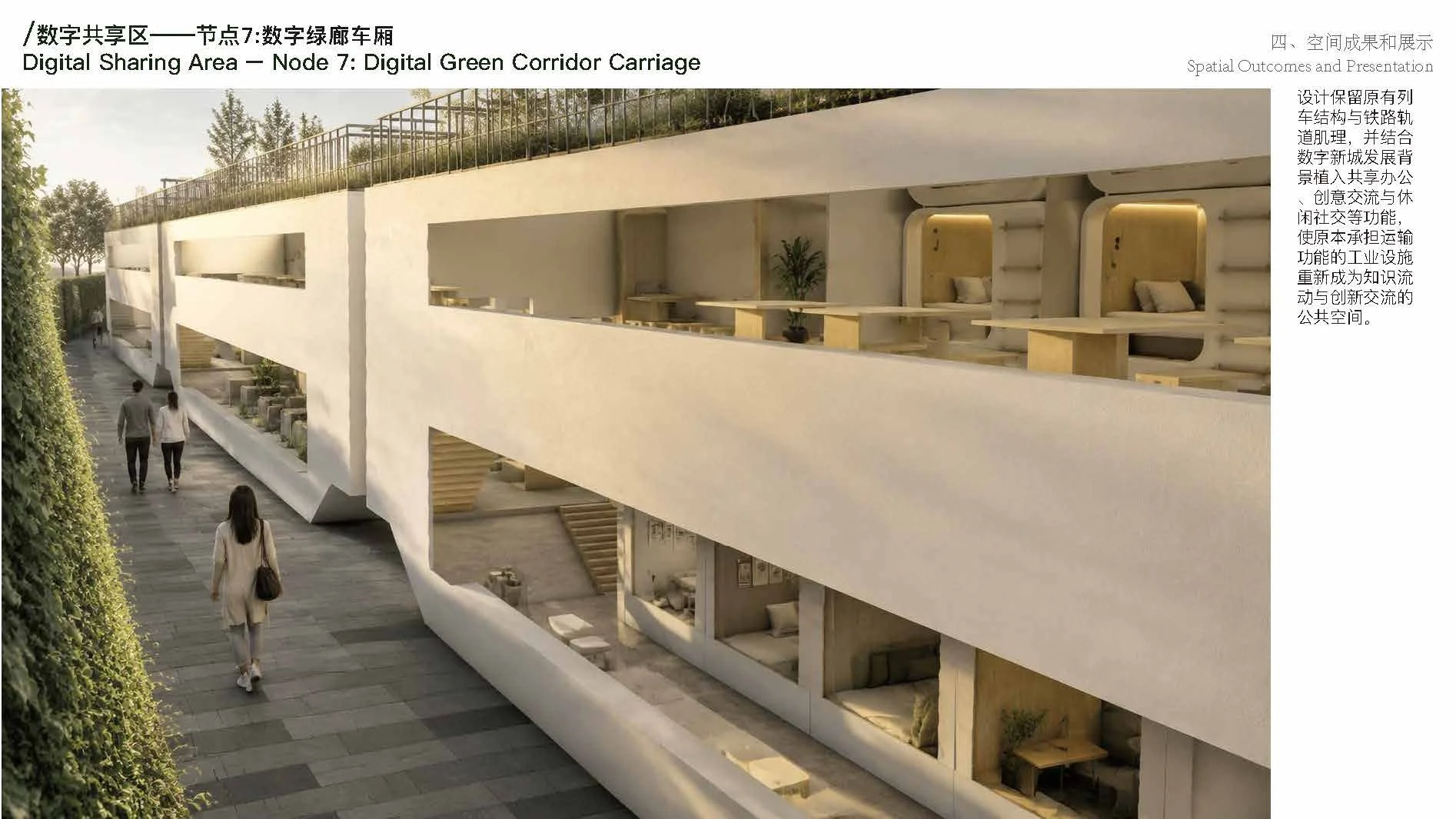
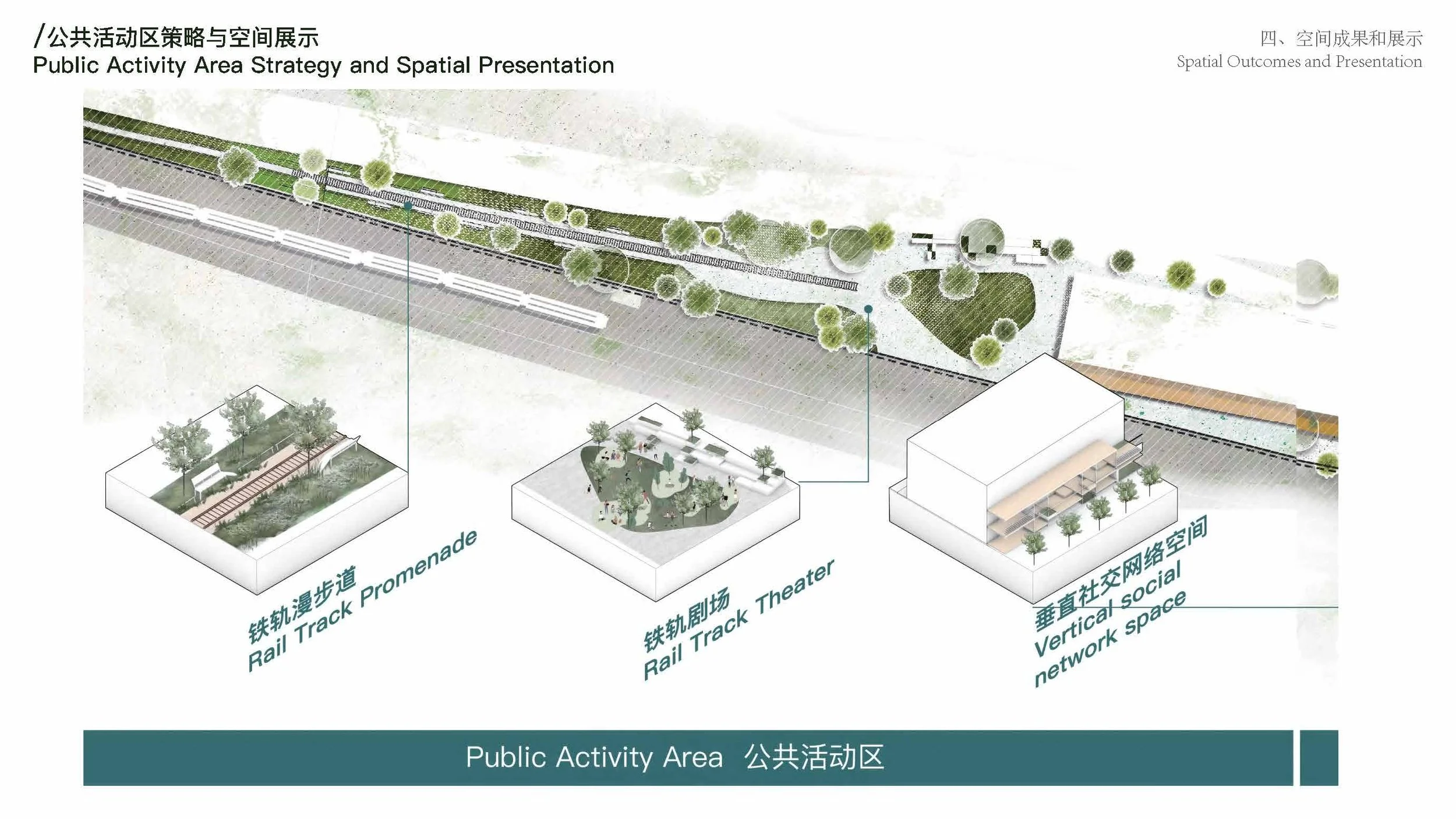
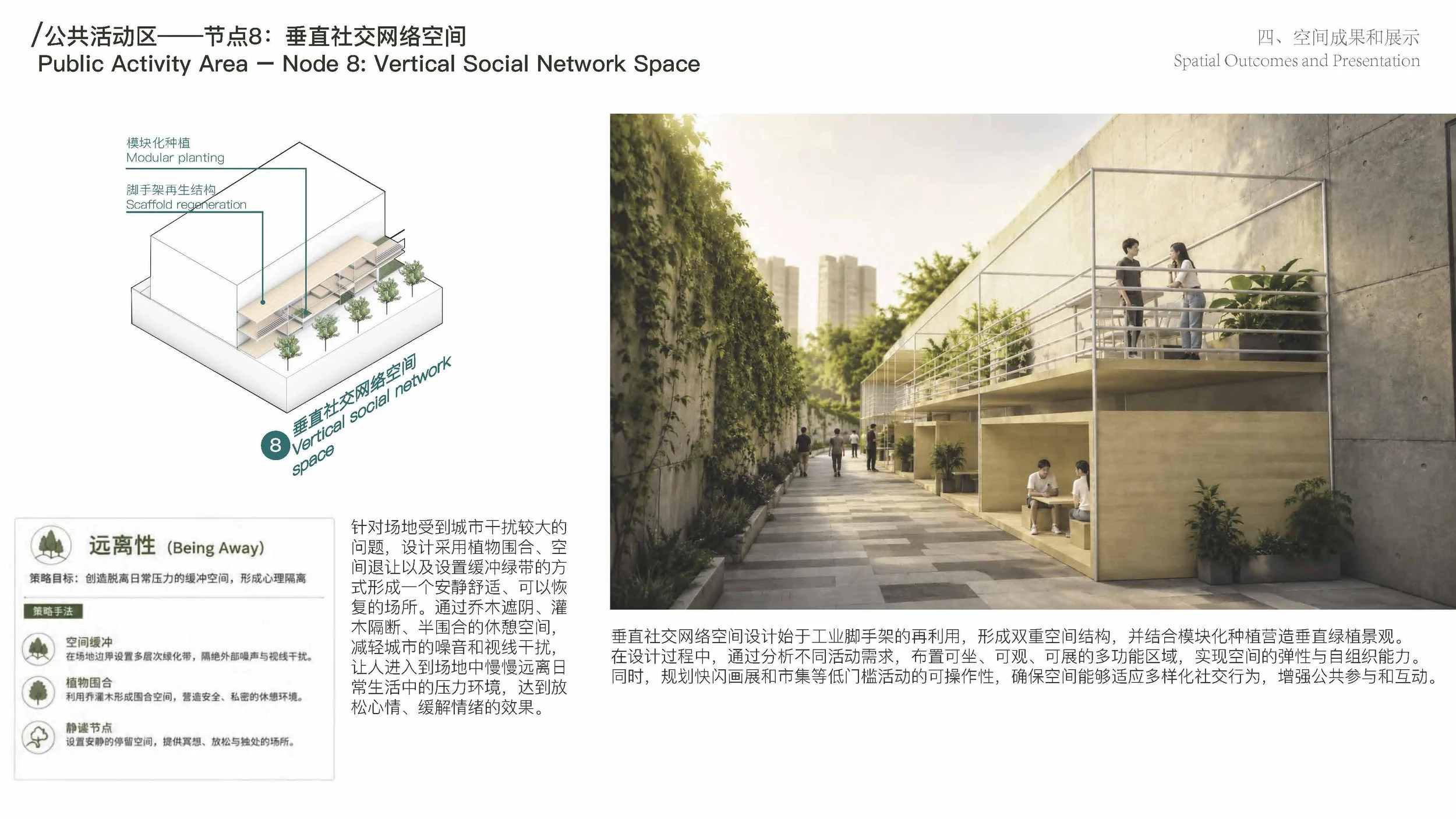
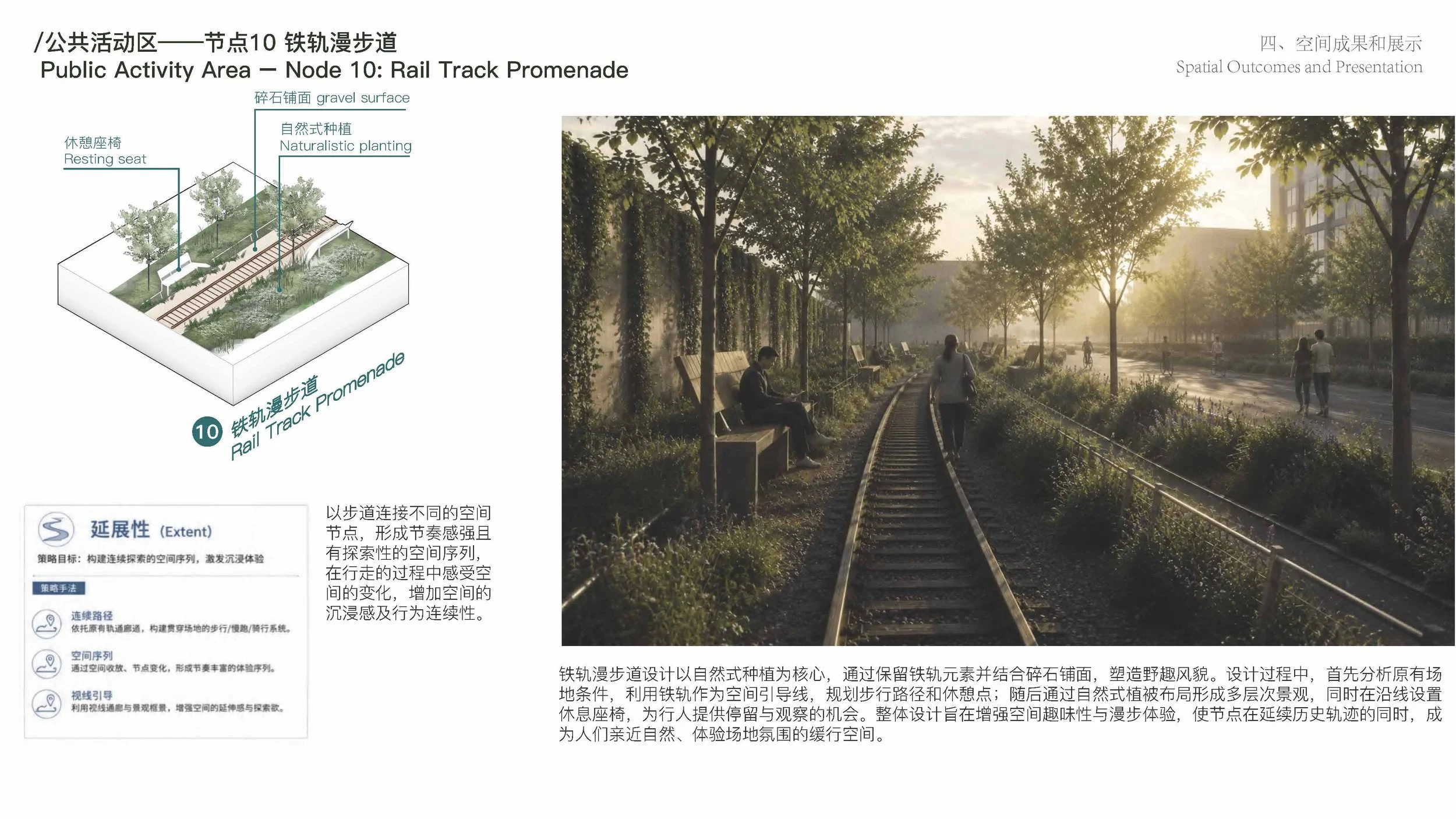
a green corridor reconnects the community, a walking path follows the old railway alignment, and decommissioned train carriages become vertical gardens and social spaces, reawakening industrial memory.
Cultivating restorative places
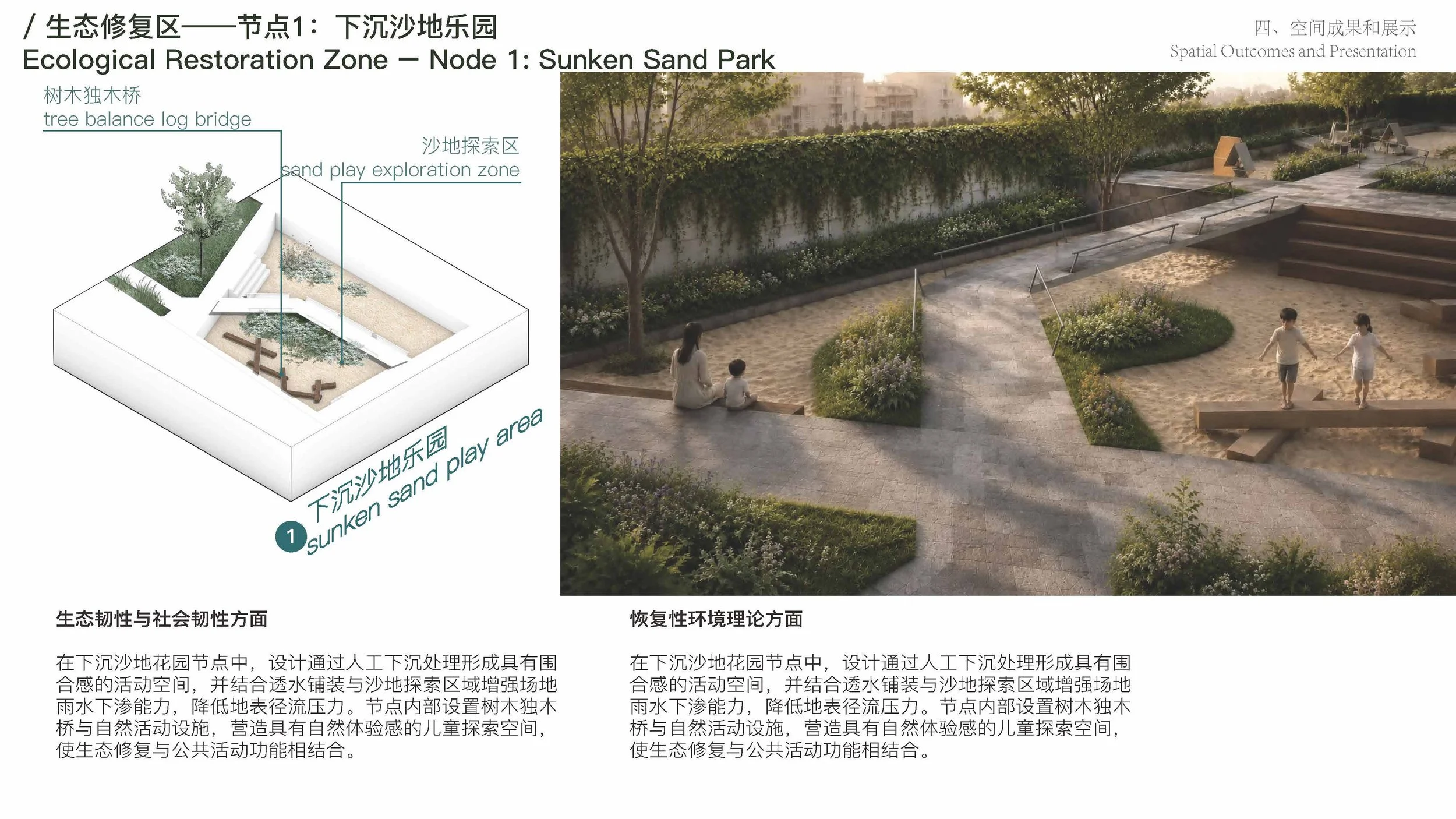
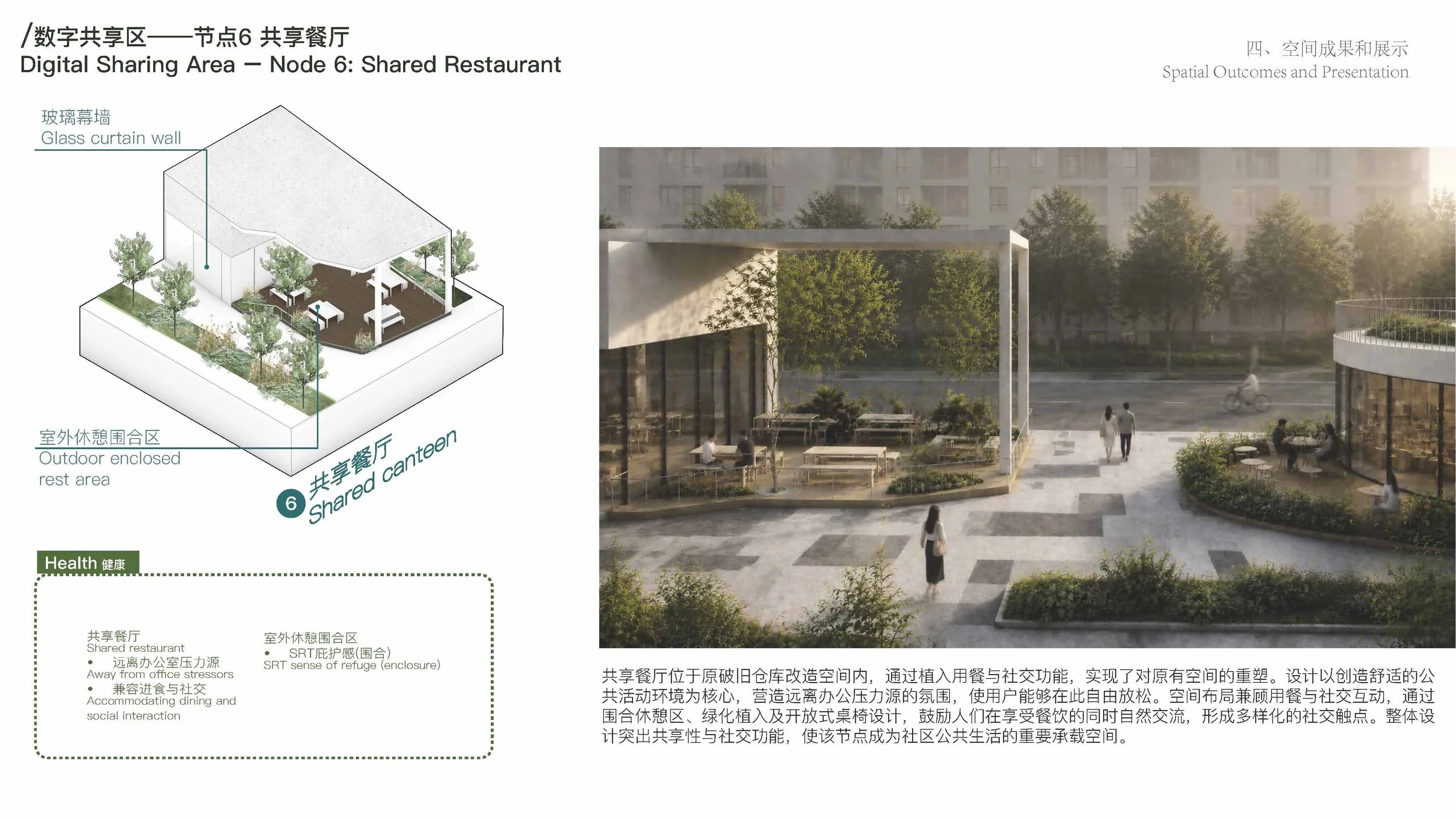
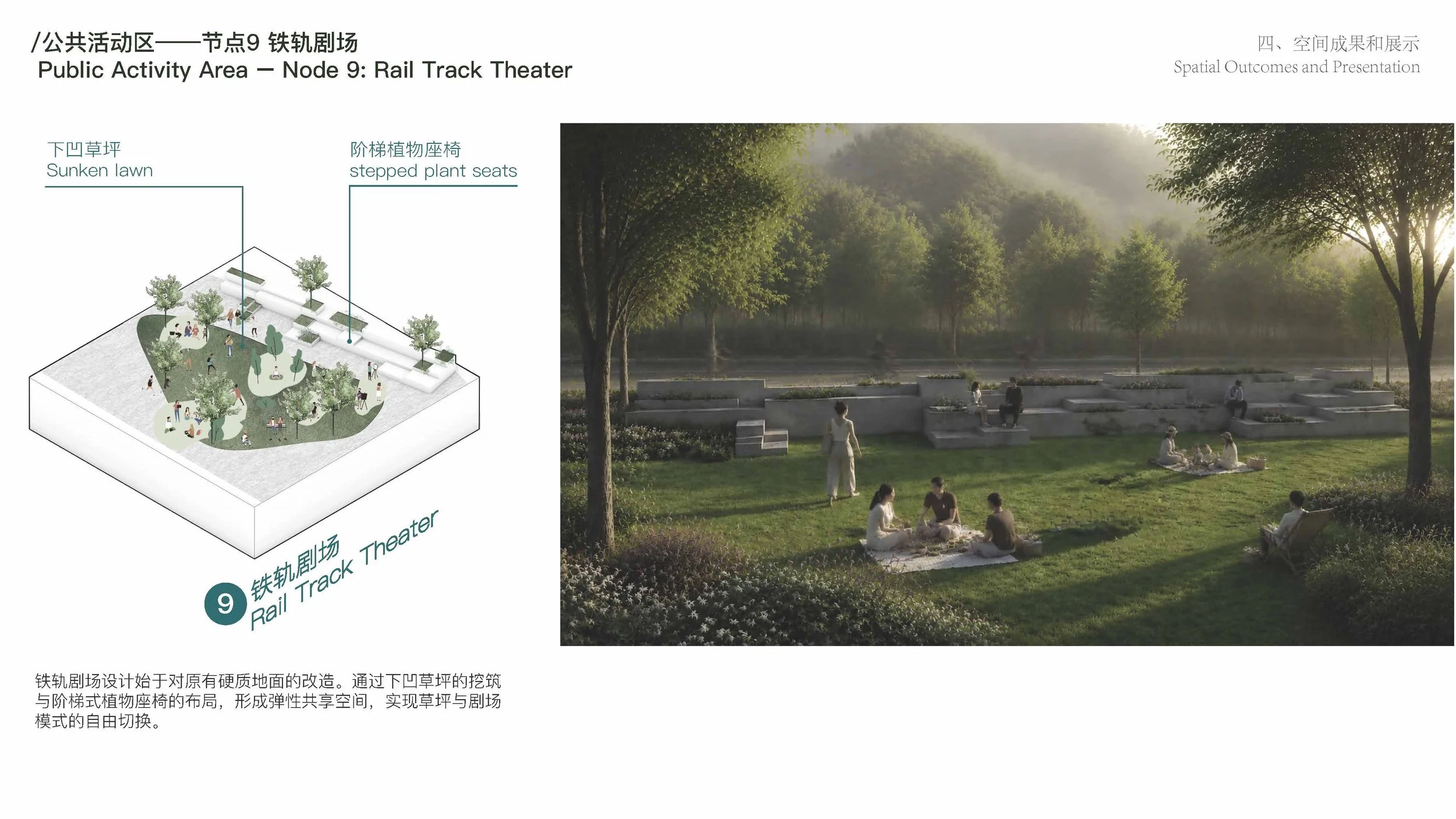
a sunny lawn, terraced planter seats, an acoustic landform, and a children's exploration sand area offer everyday scenes of retreat, lingering, and play. Together, the strategies turn the brownfield into a civic living room where the city can begin again.
Let the brownfield breathe again
nature as infrastructure, memory as pathway,
AND health as destination.