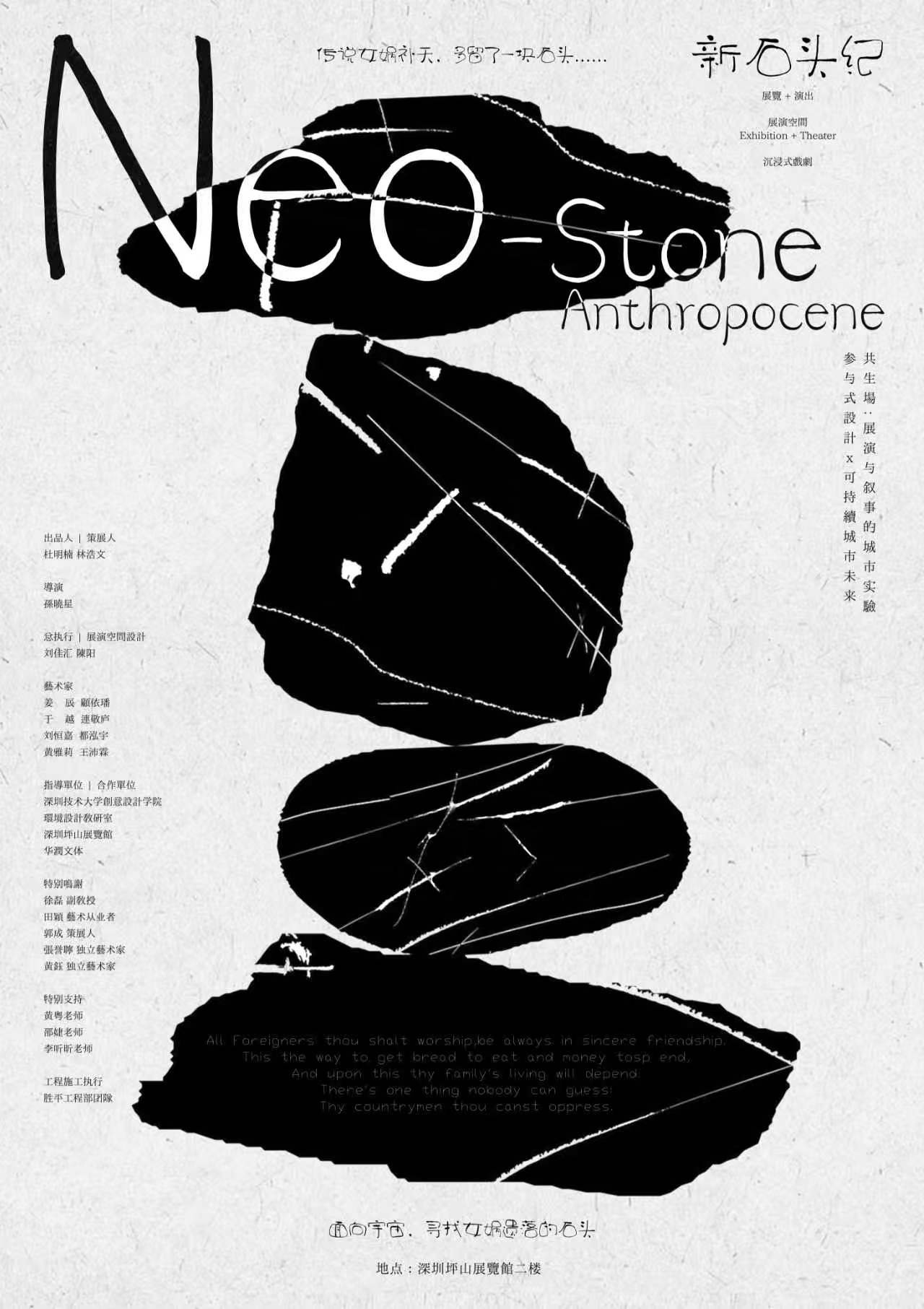
SYMBIOSIS FIELD
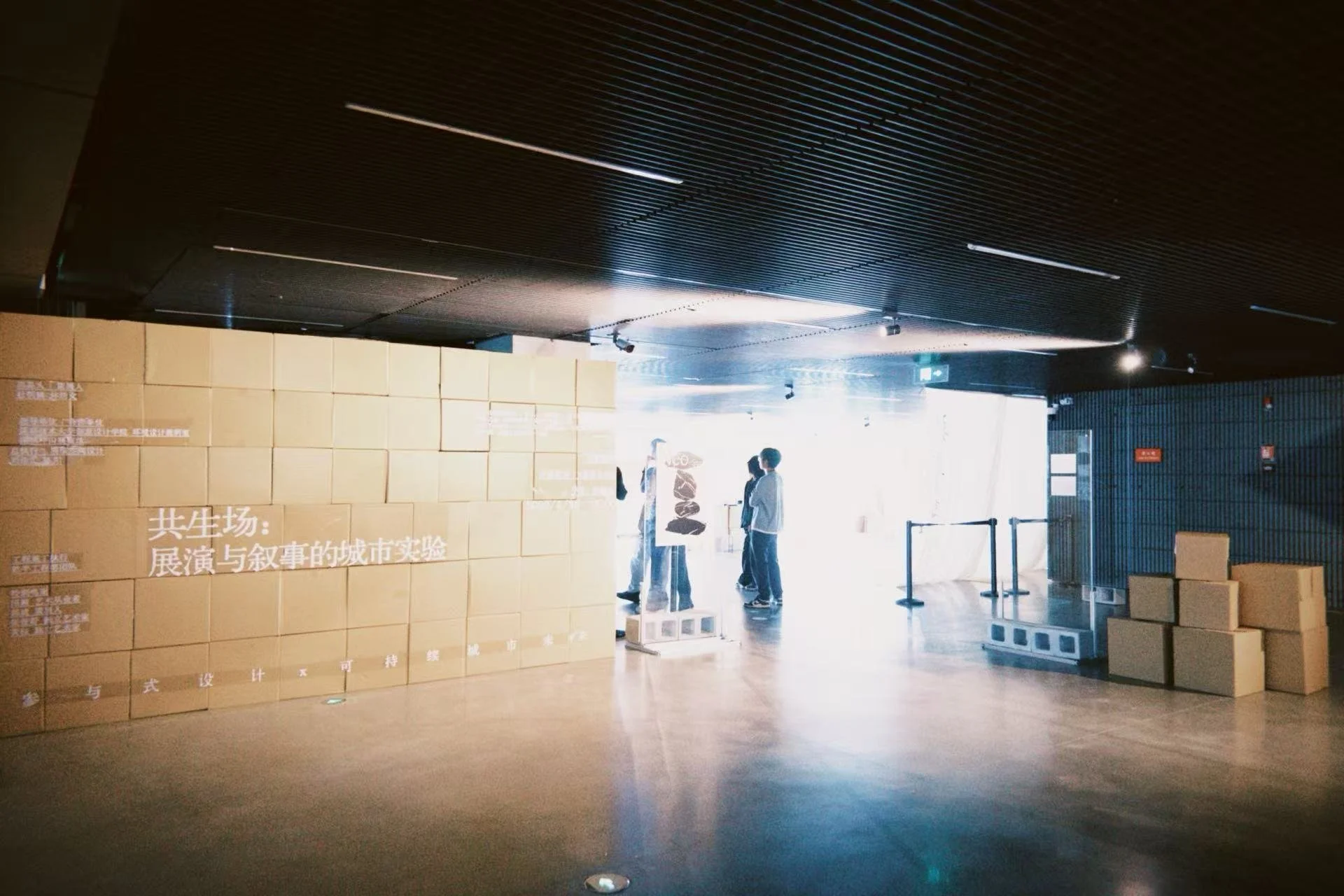
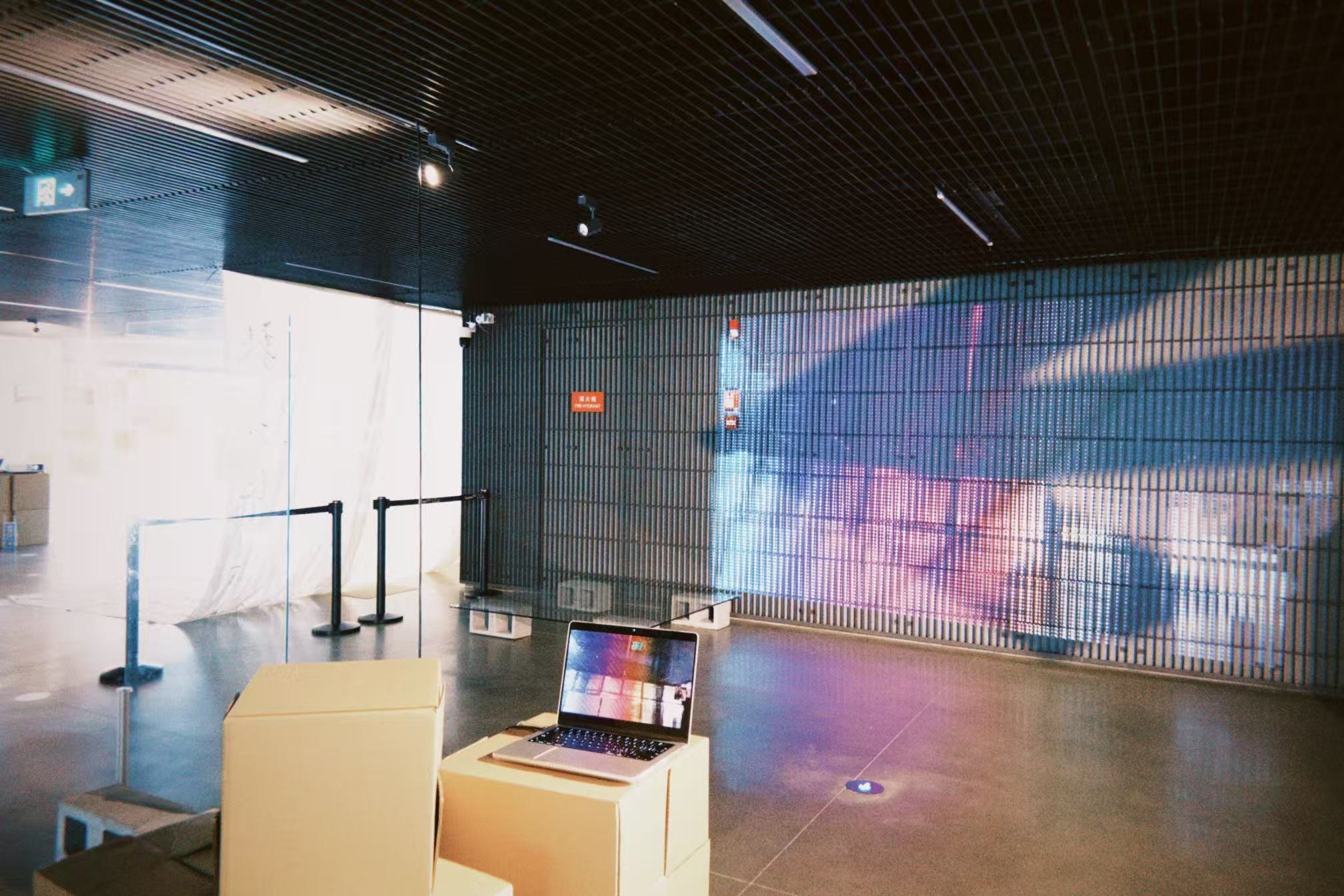
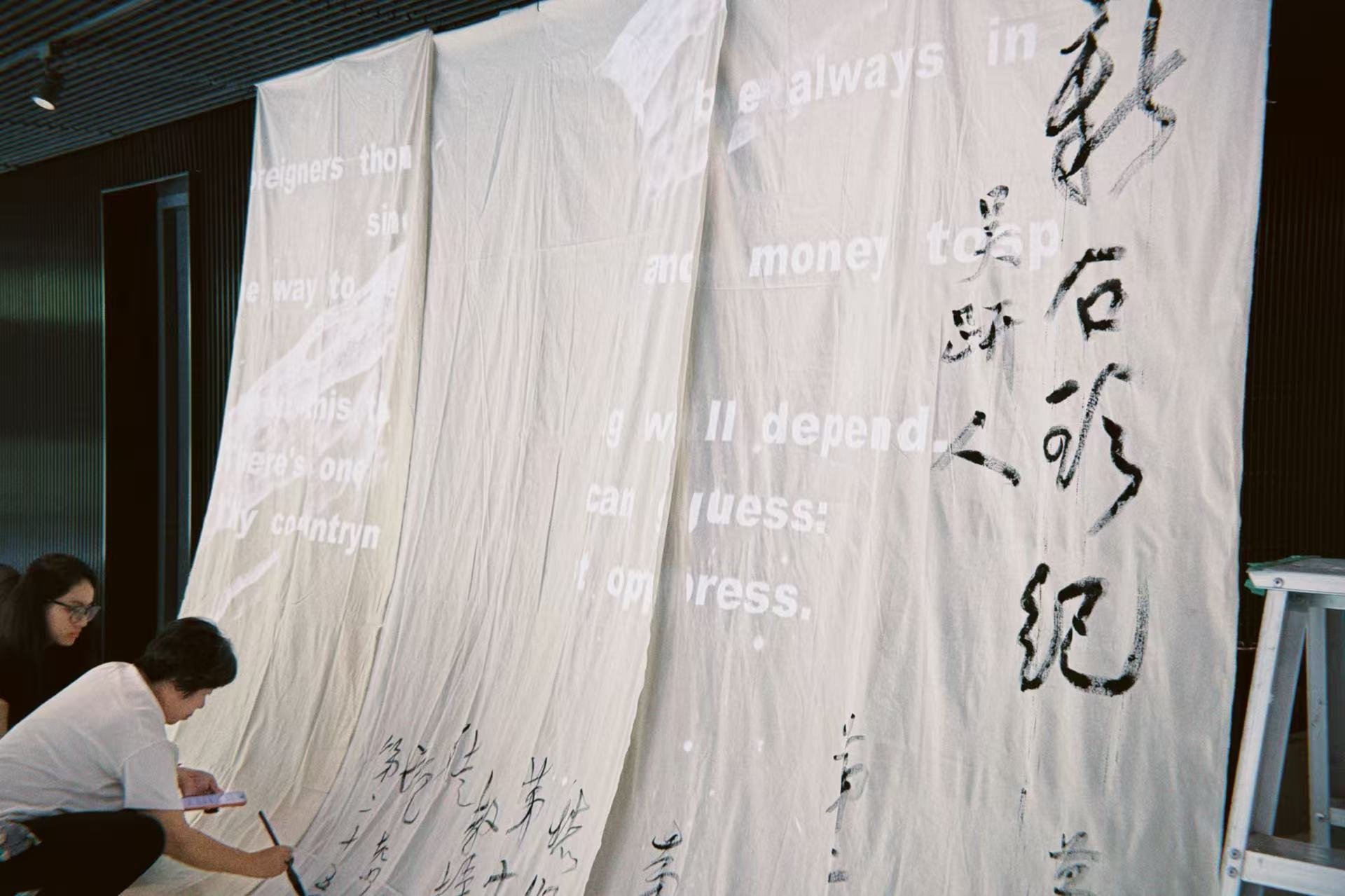
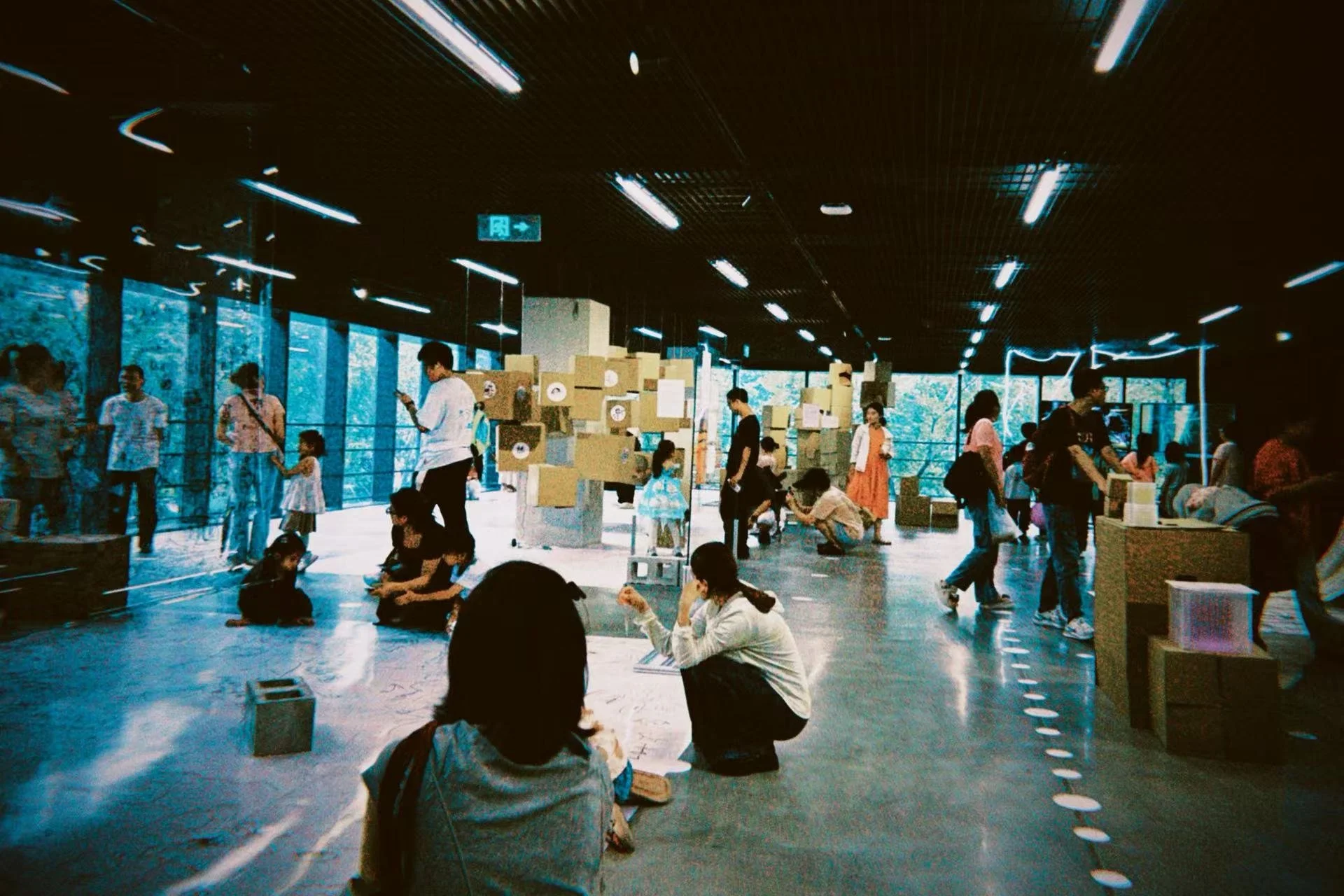
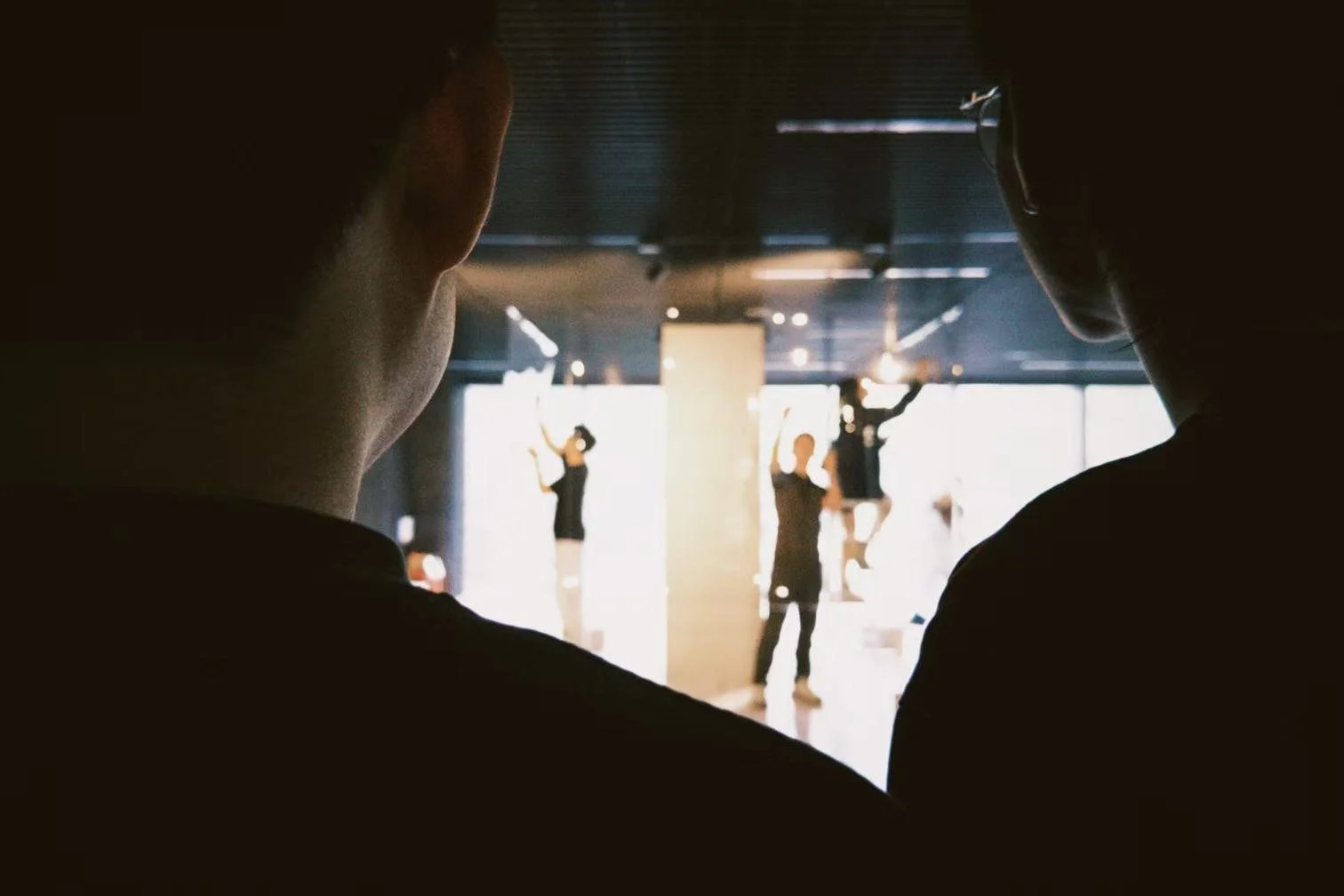
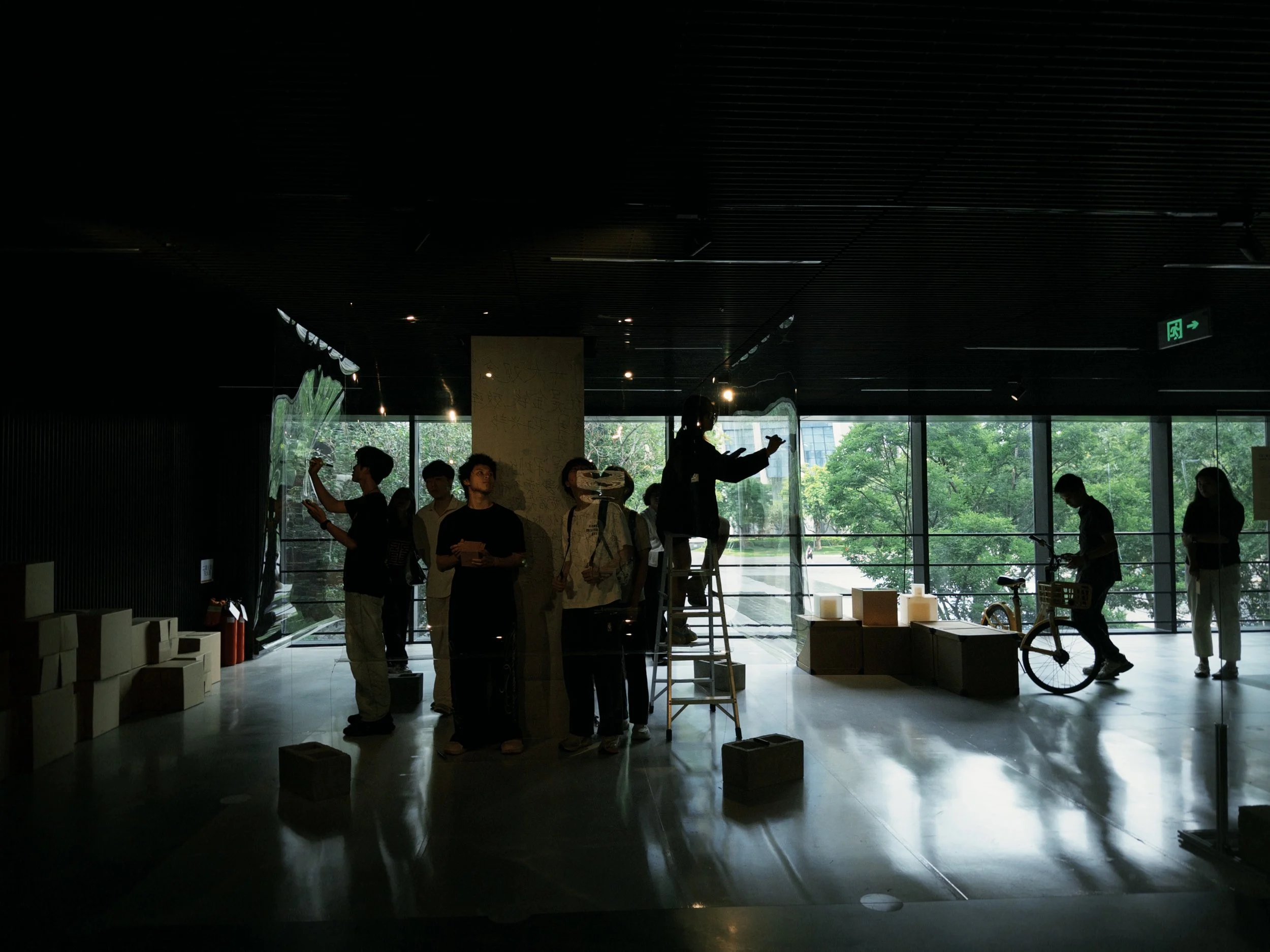
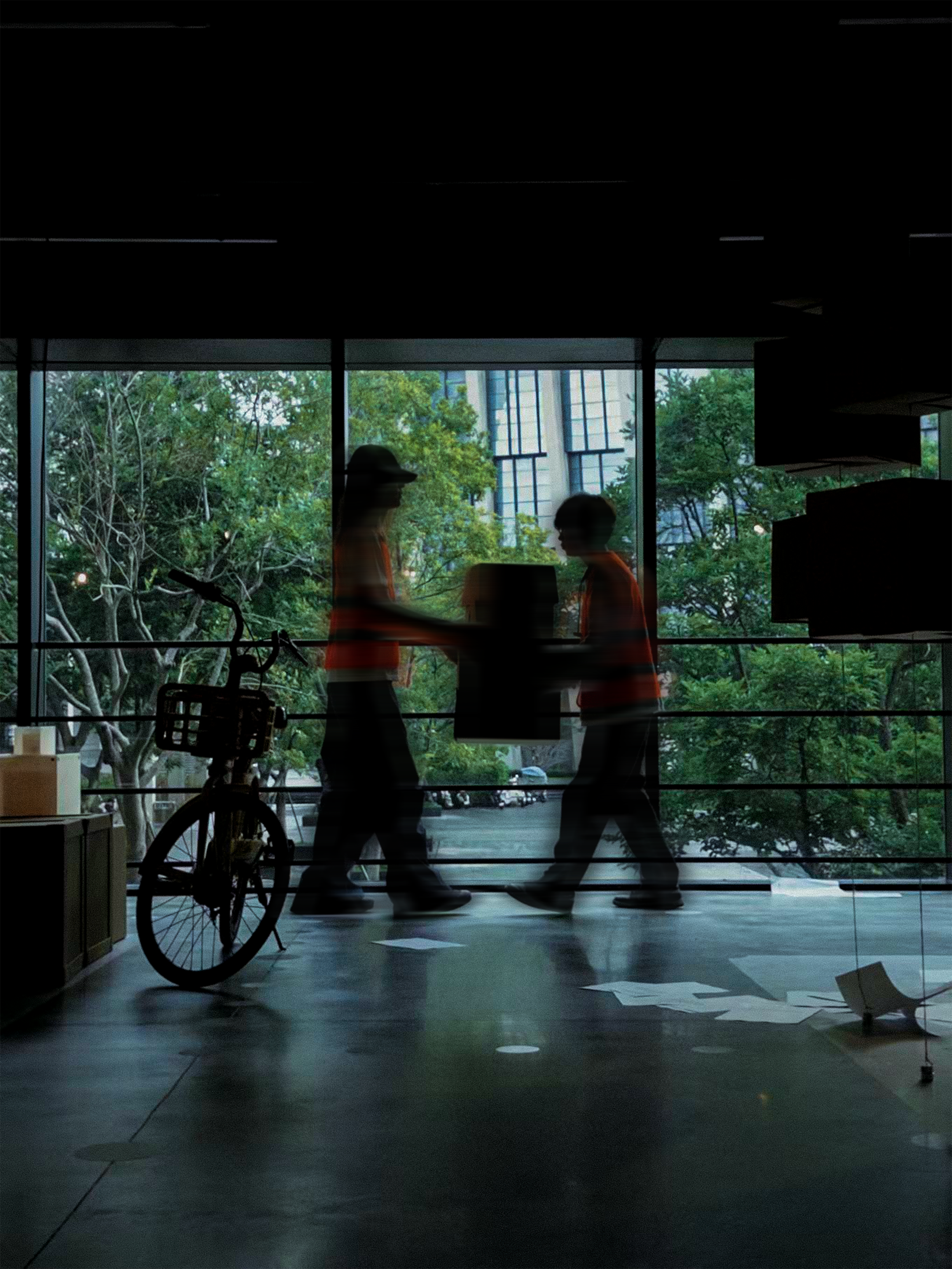
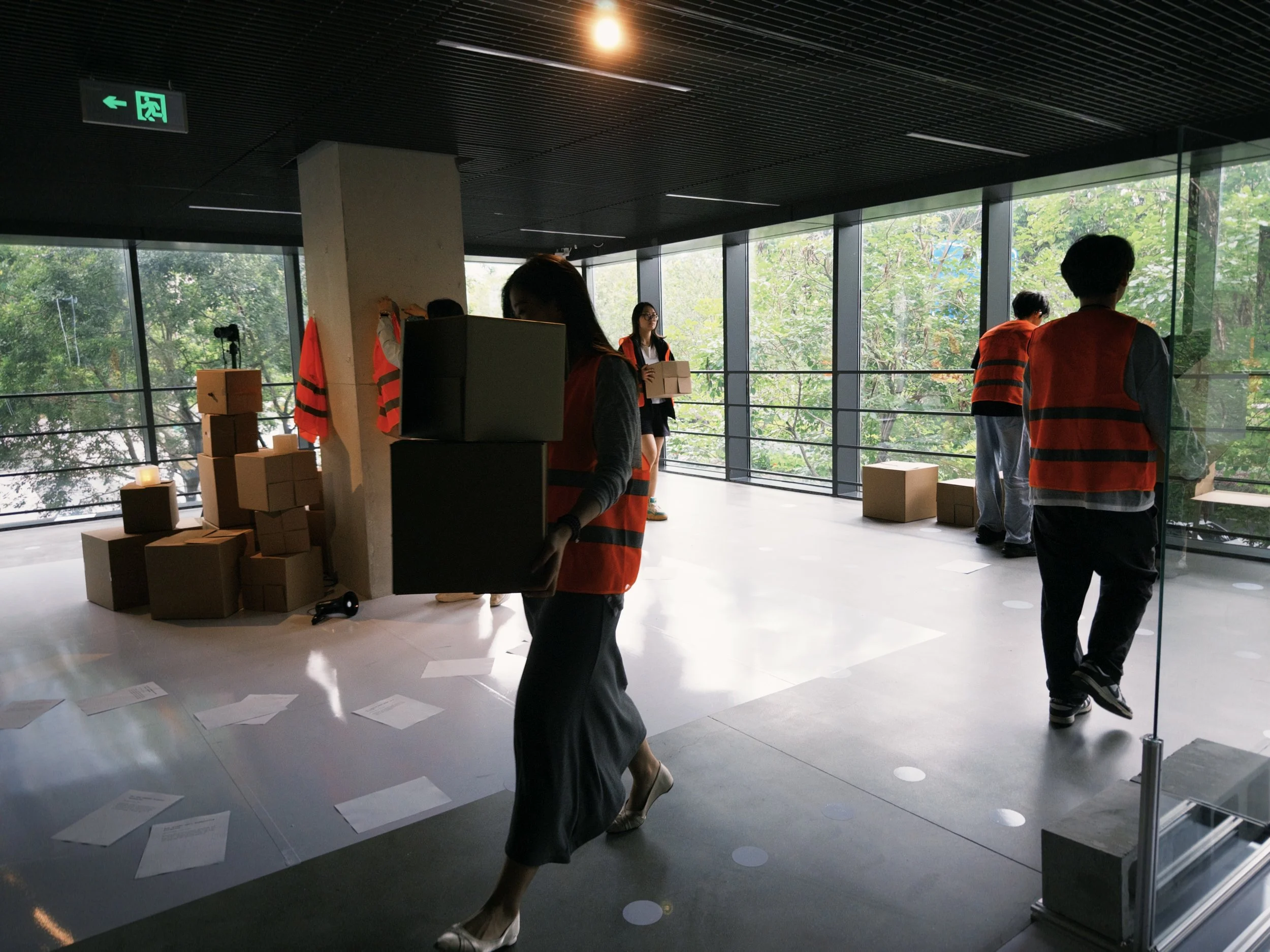
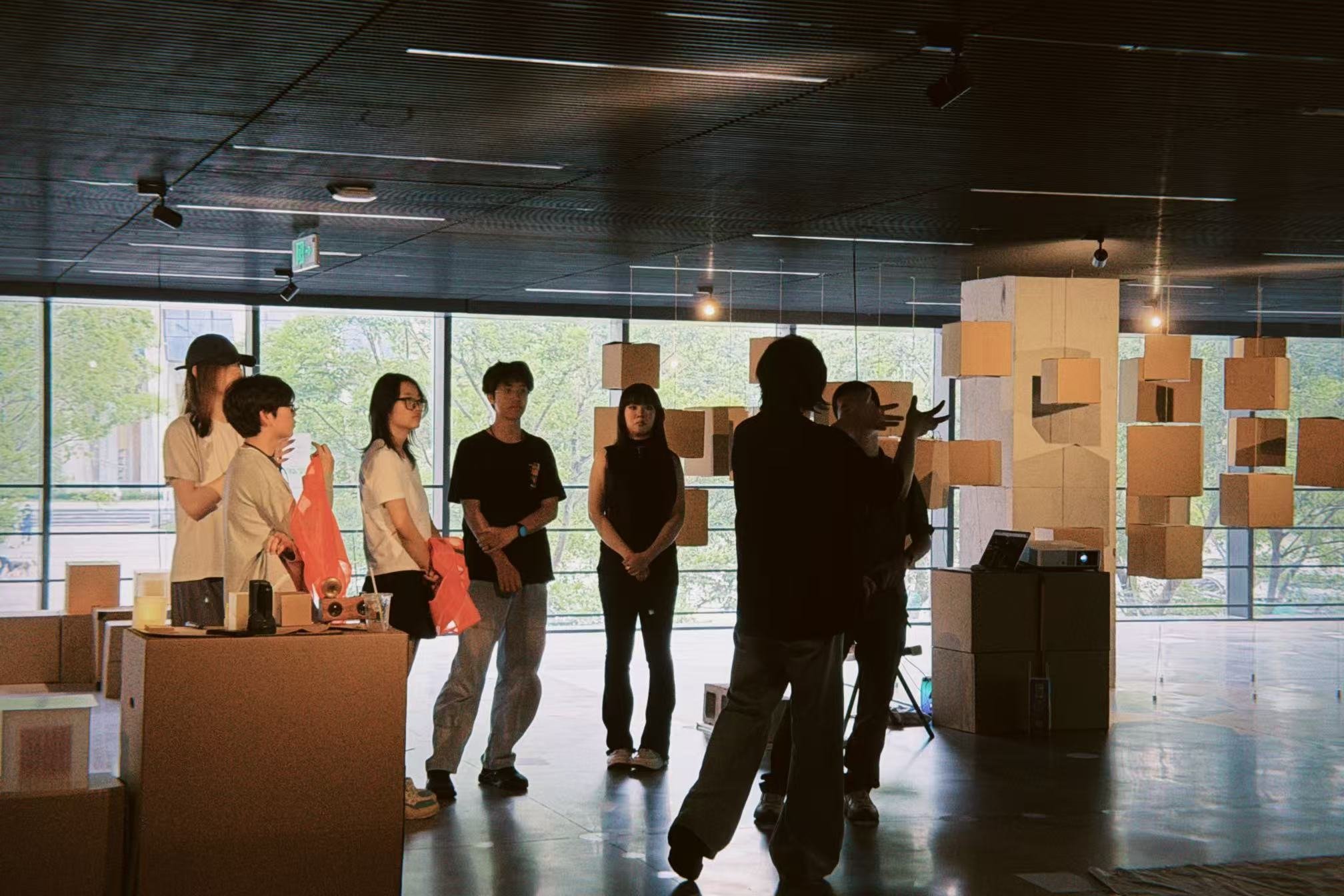
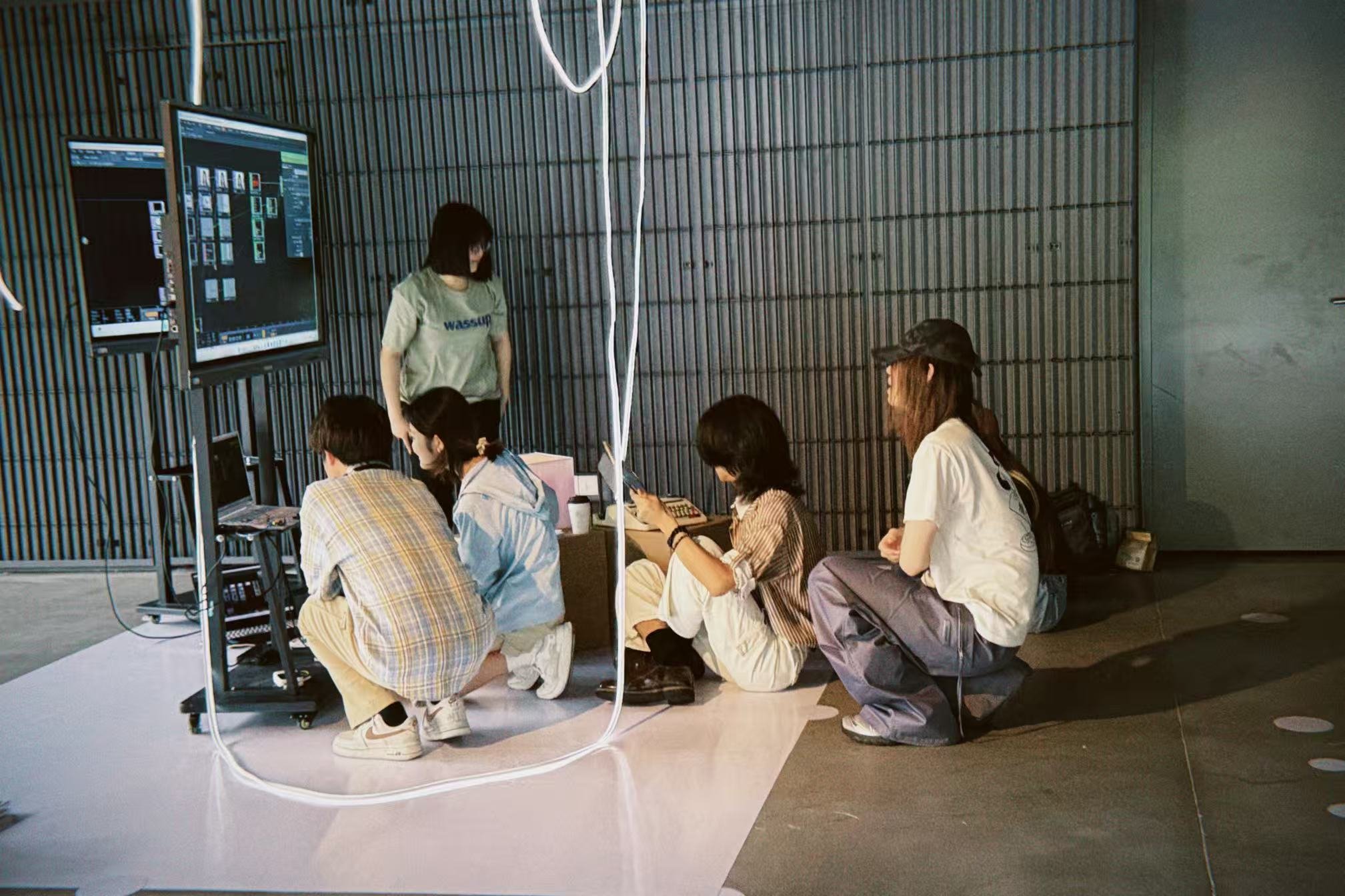
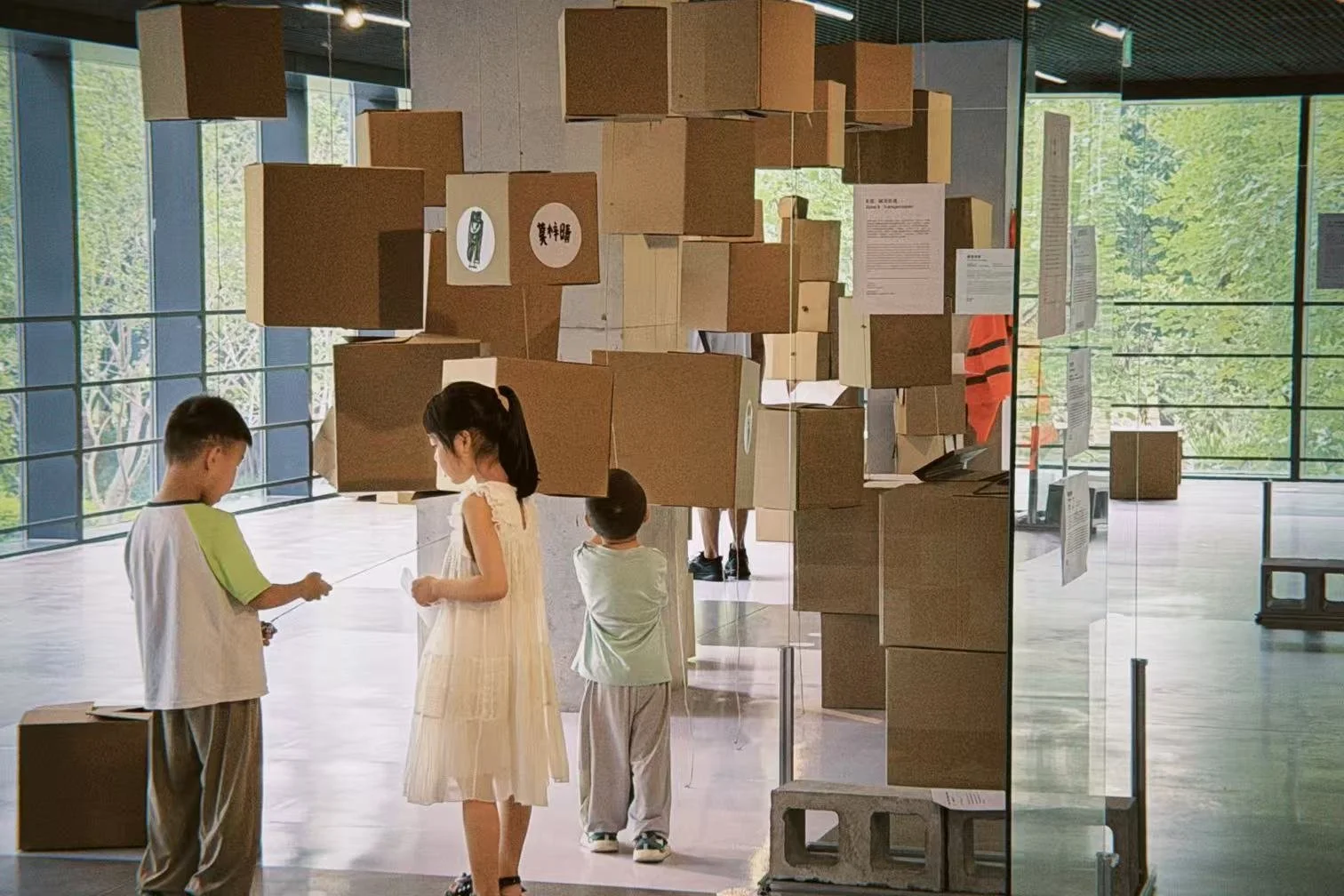
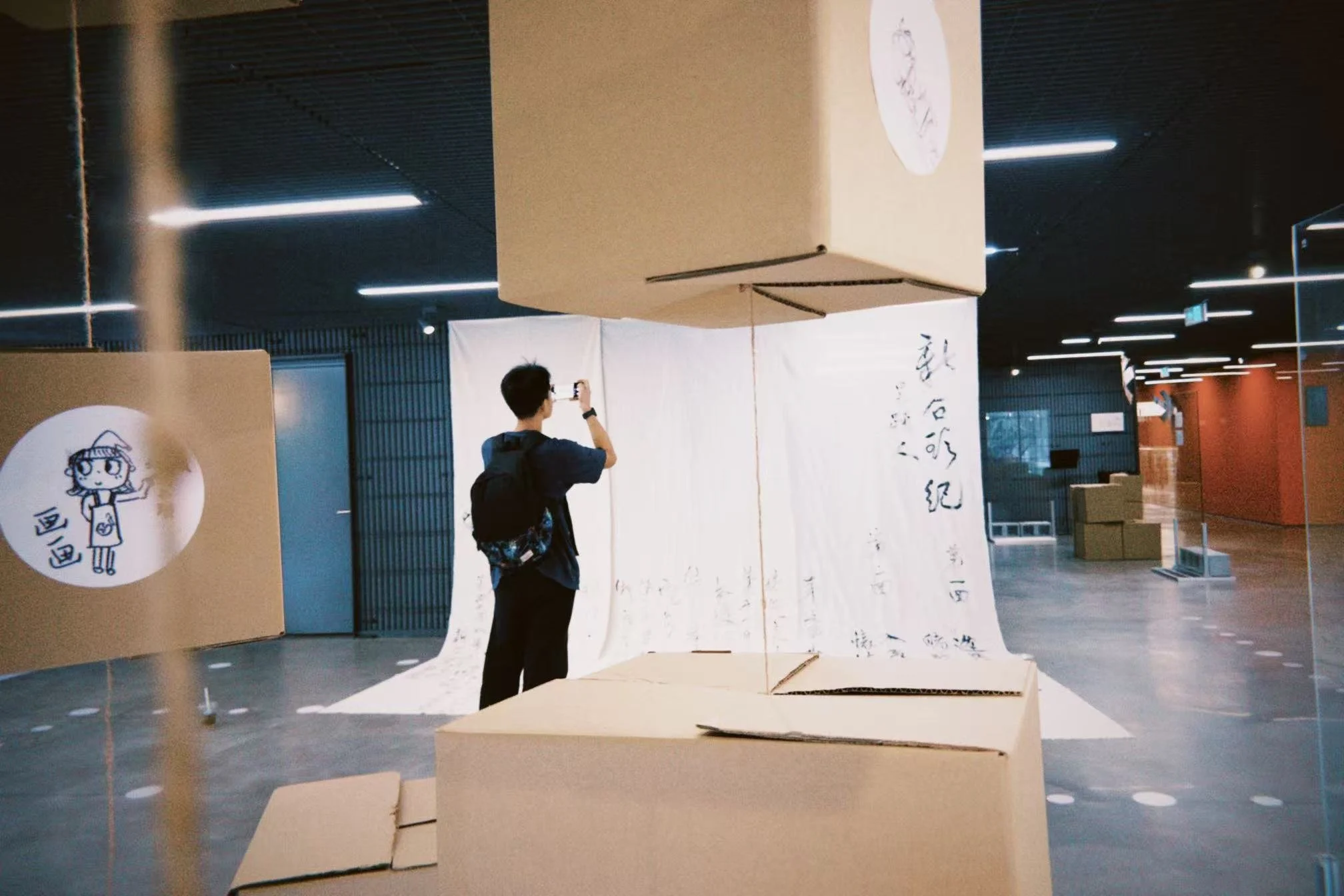
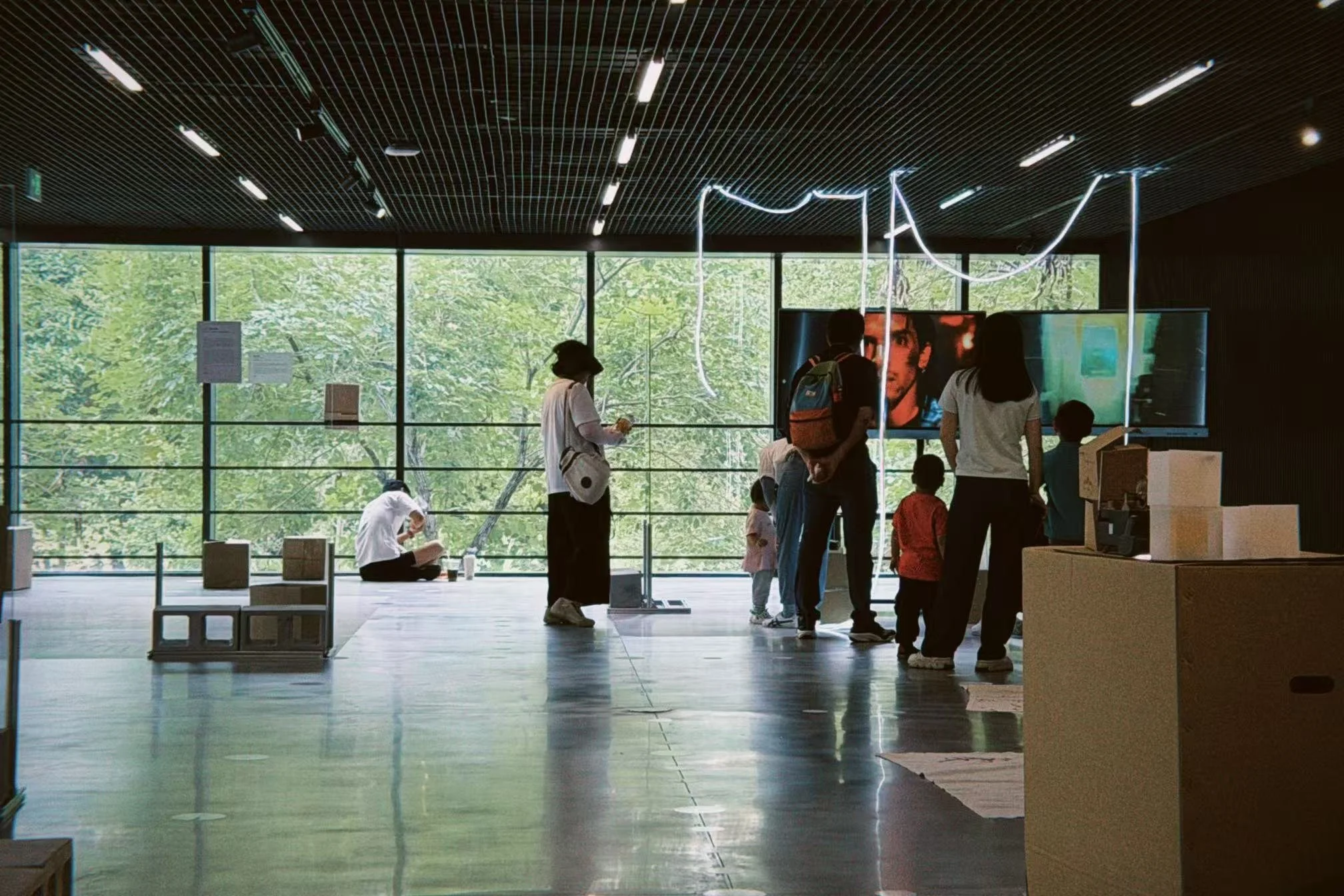
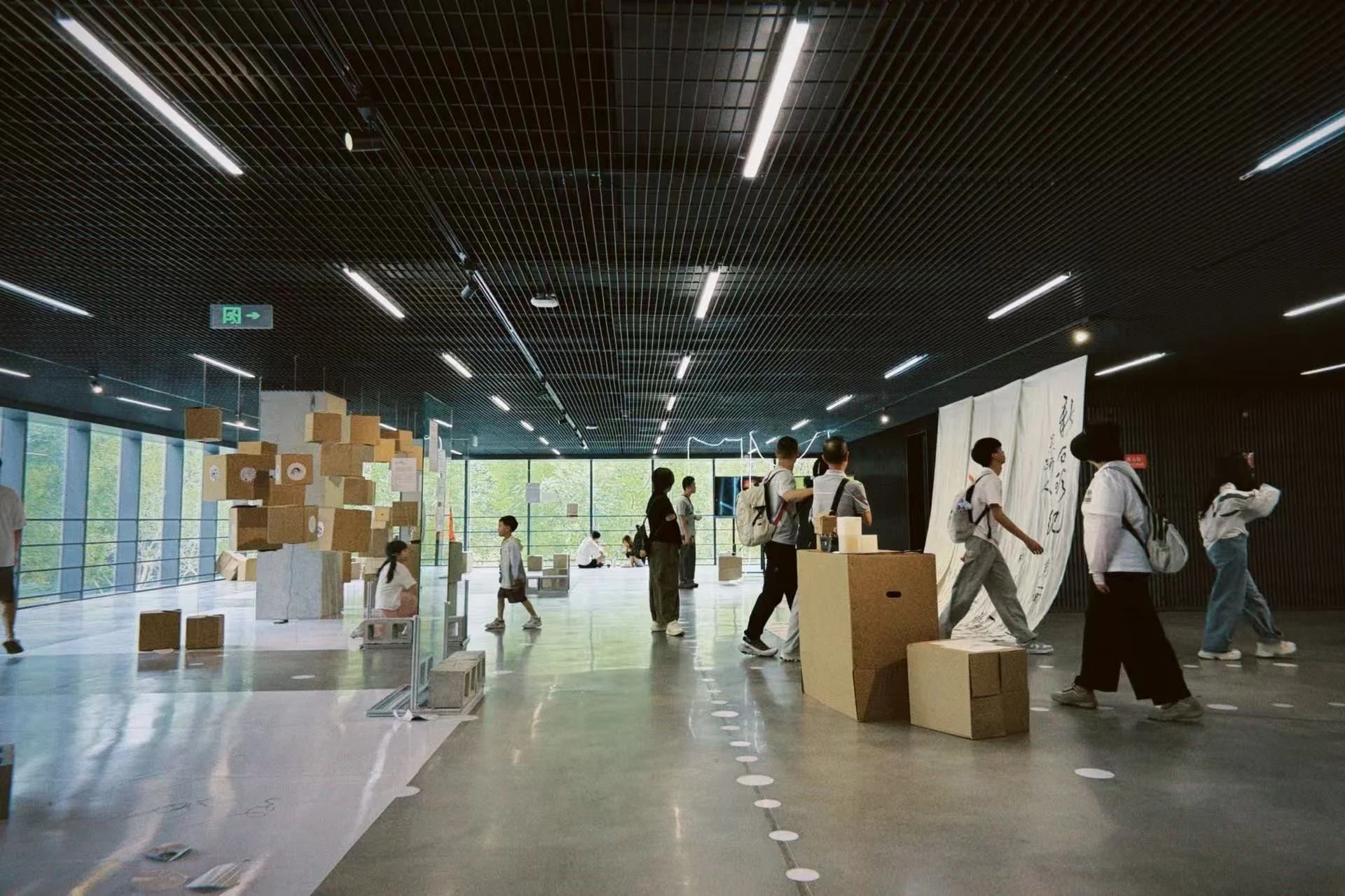
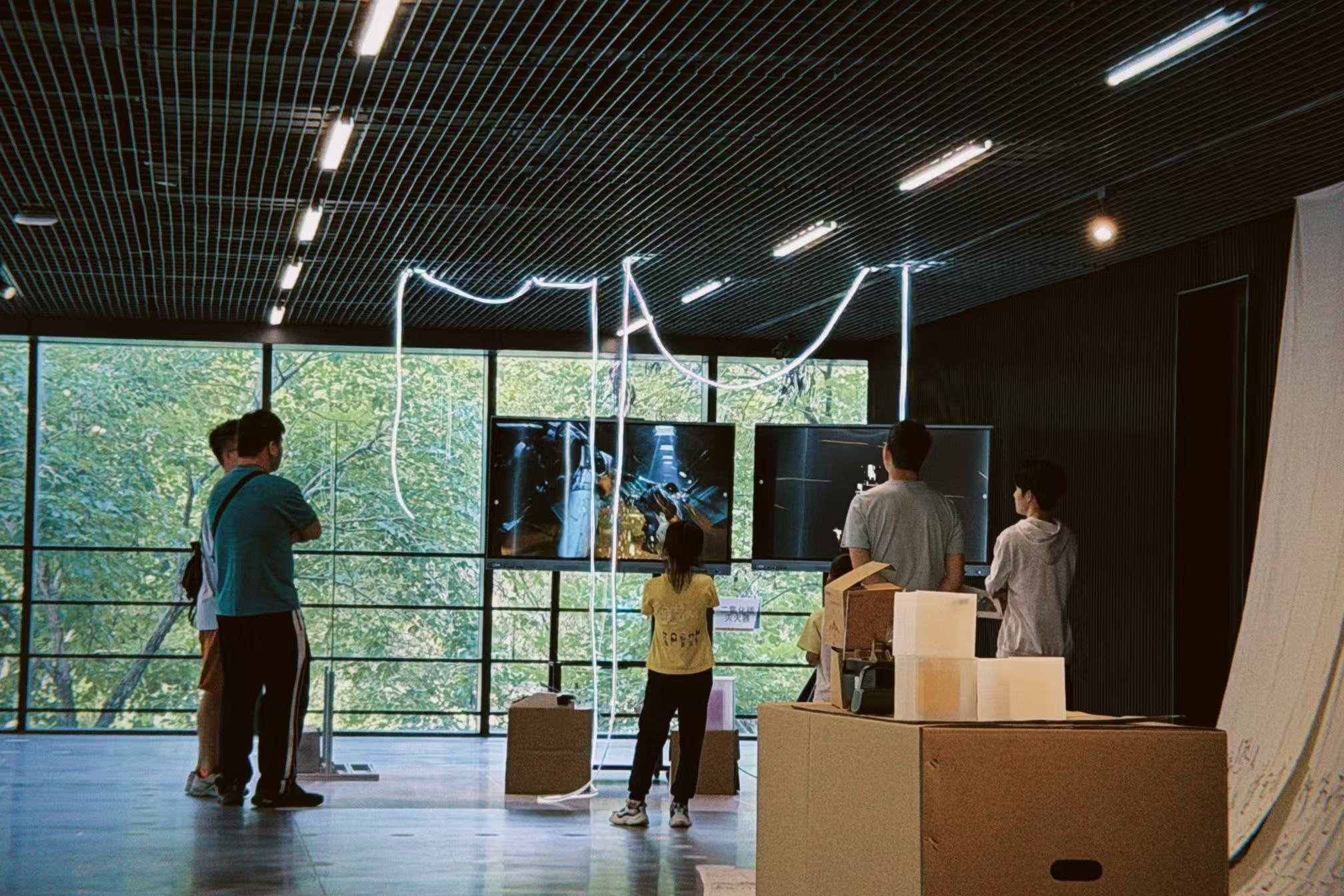
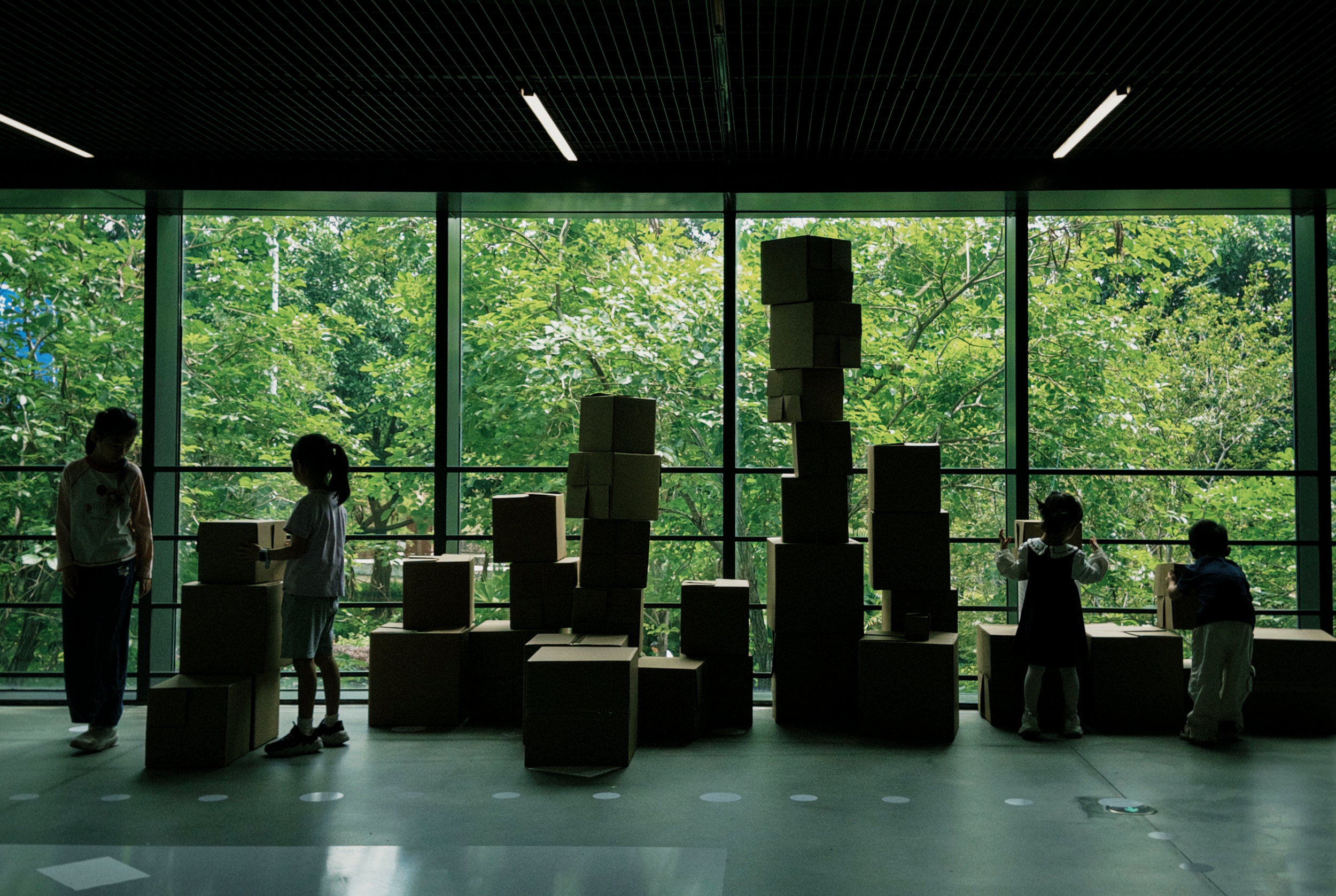
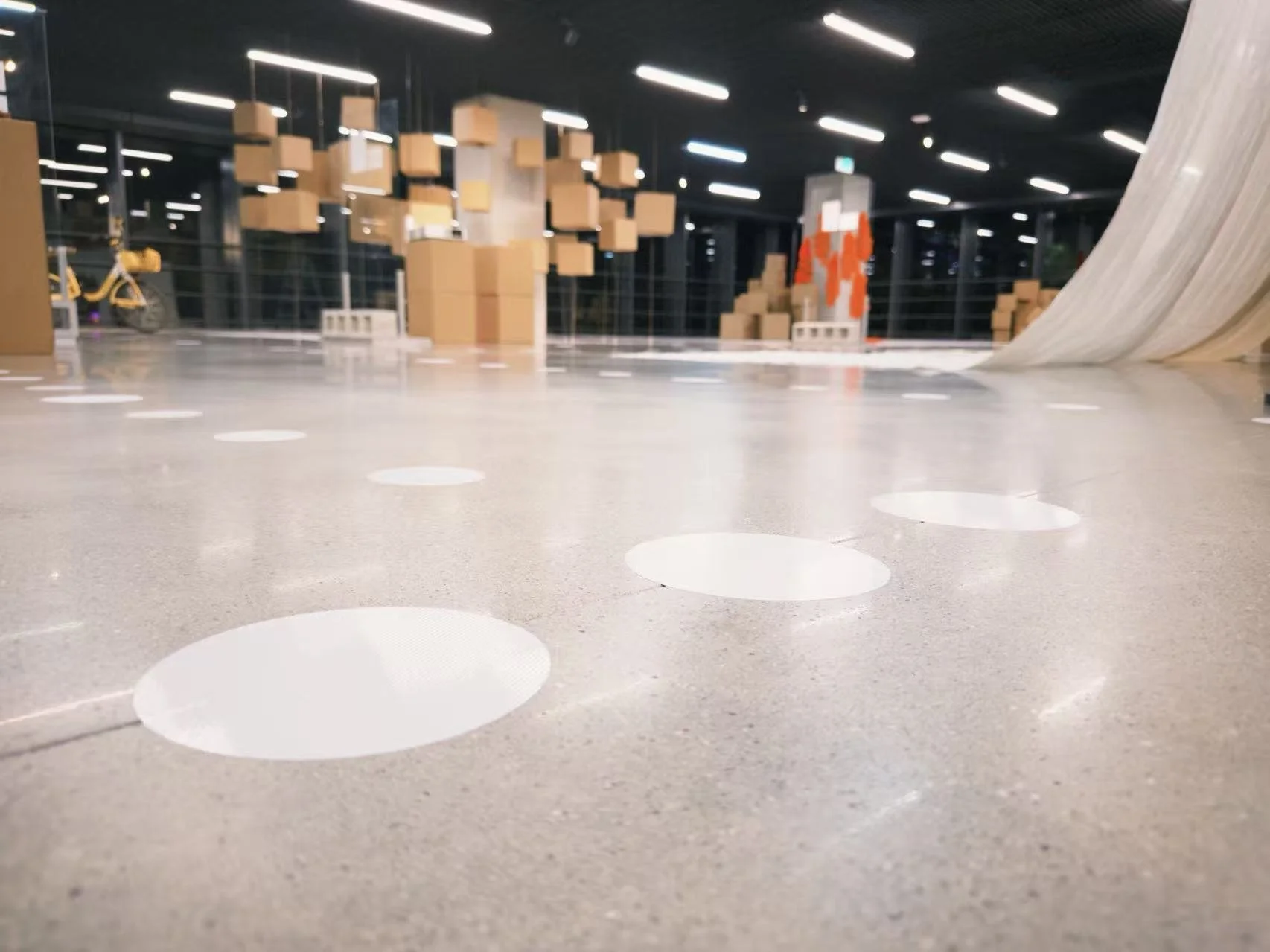
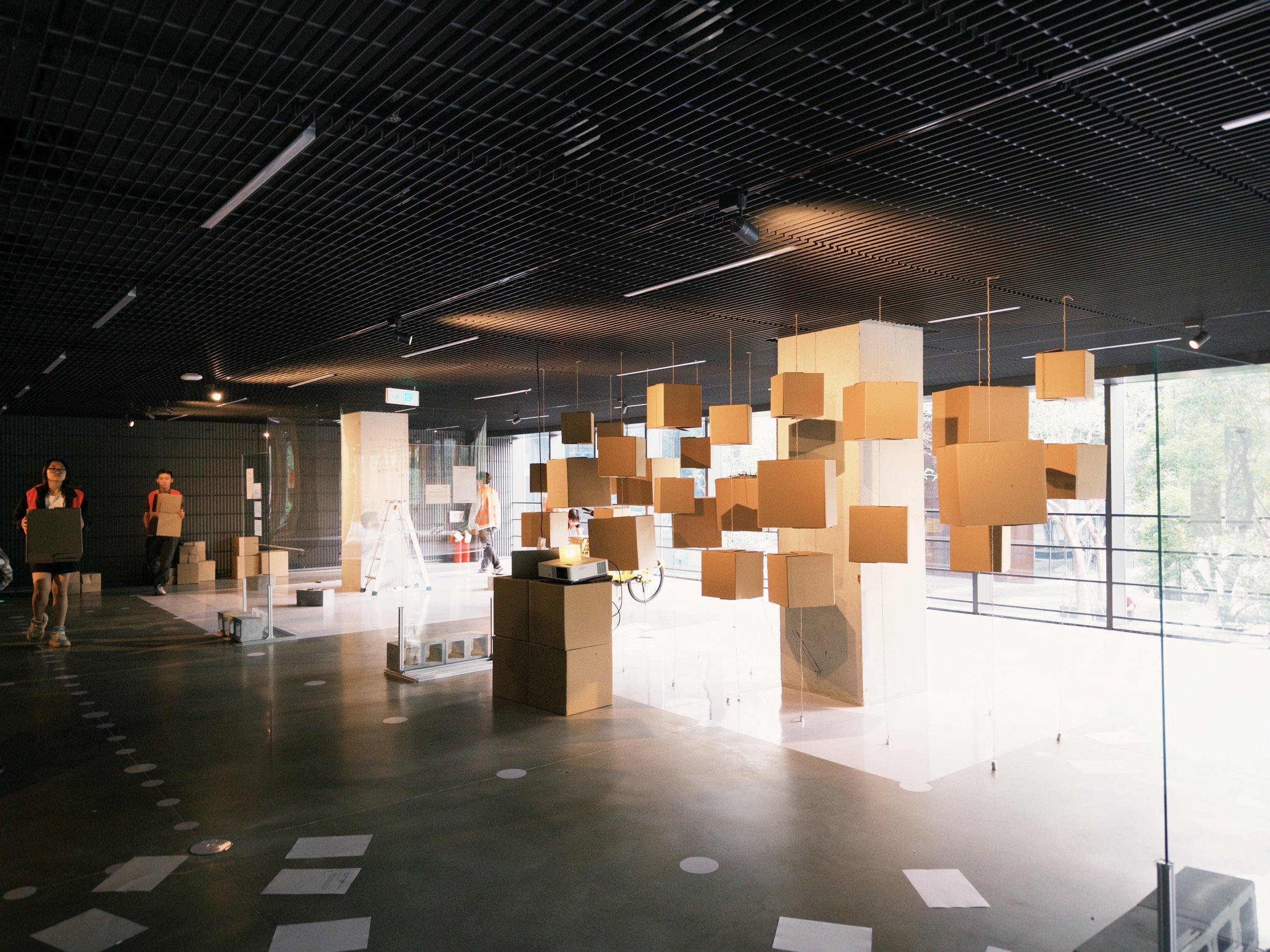
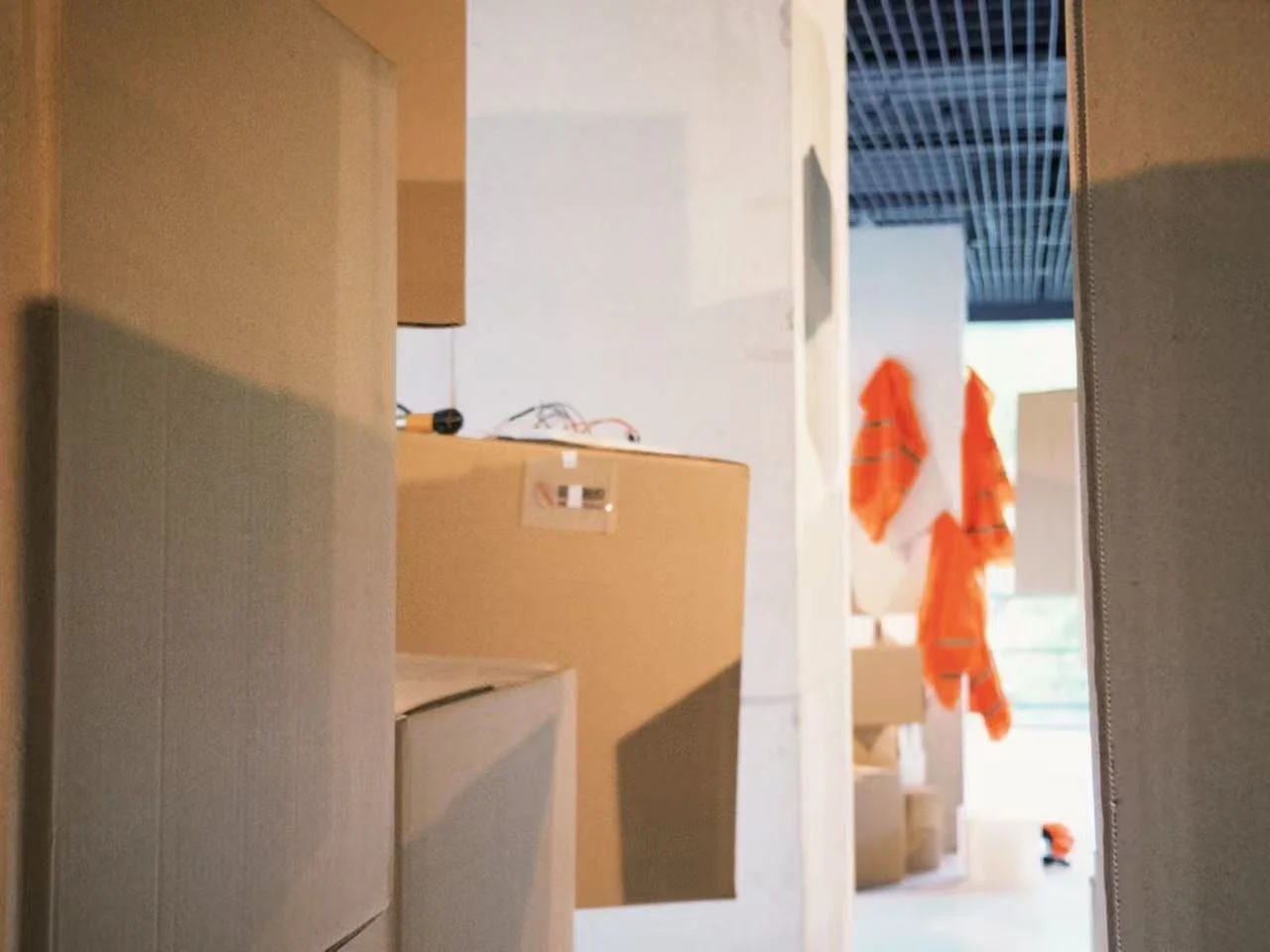
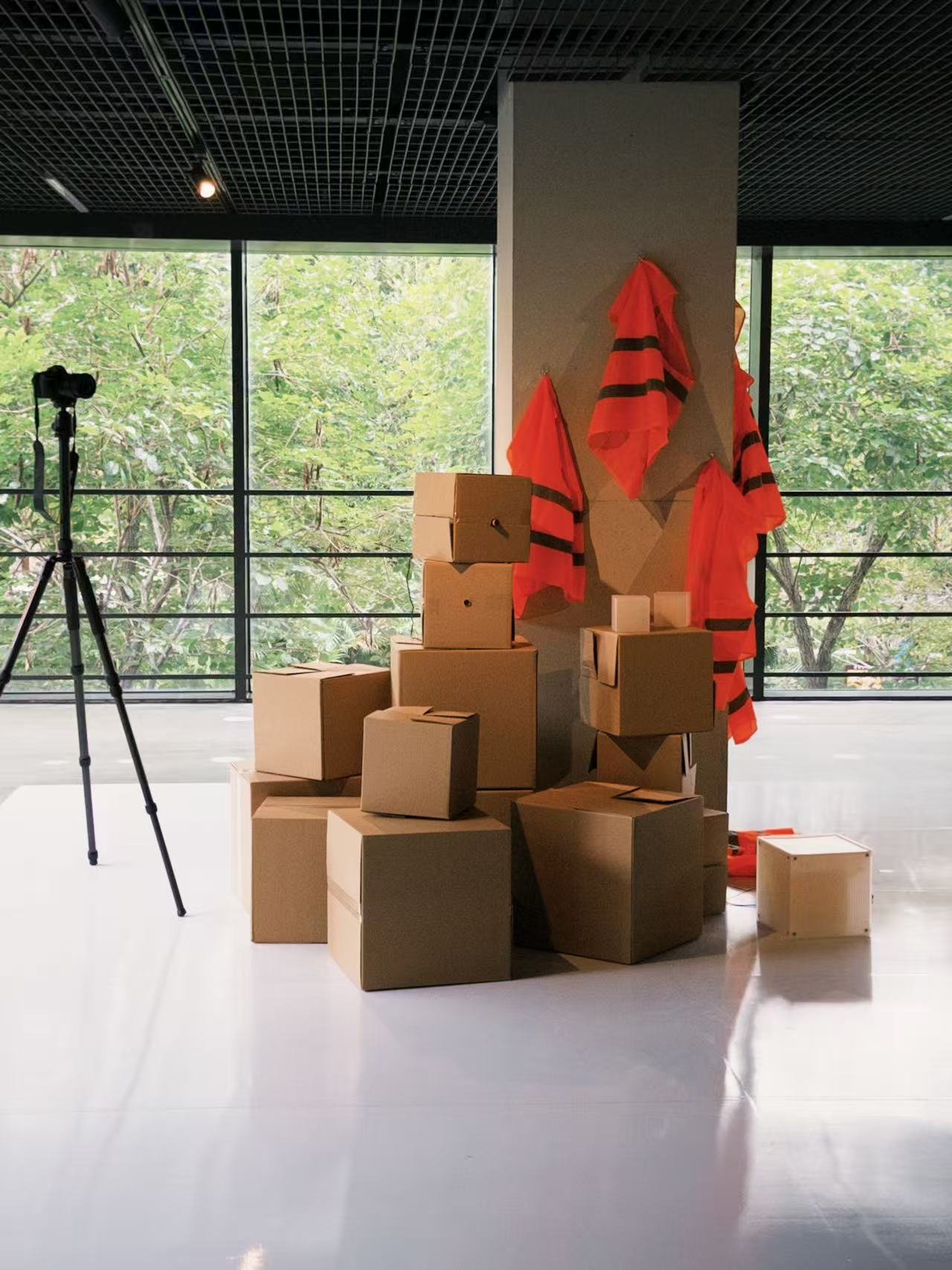
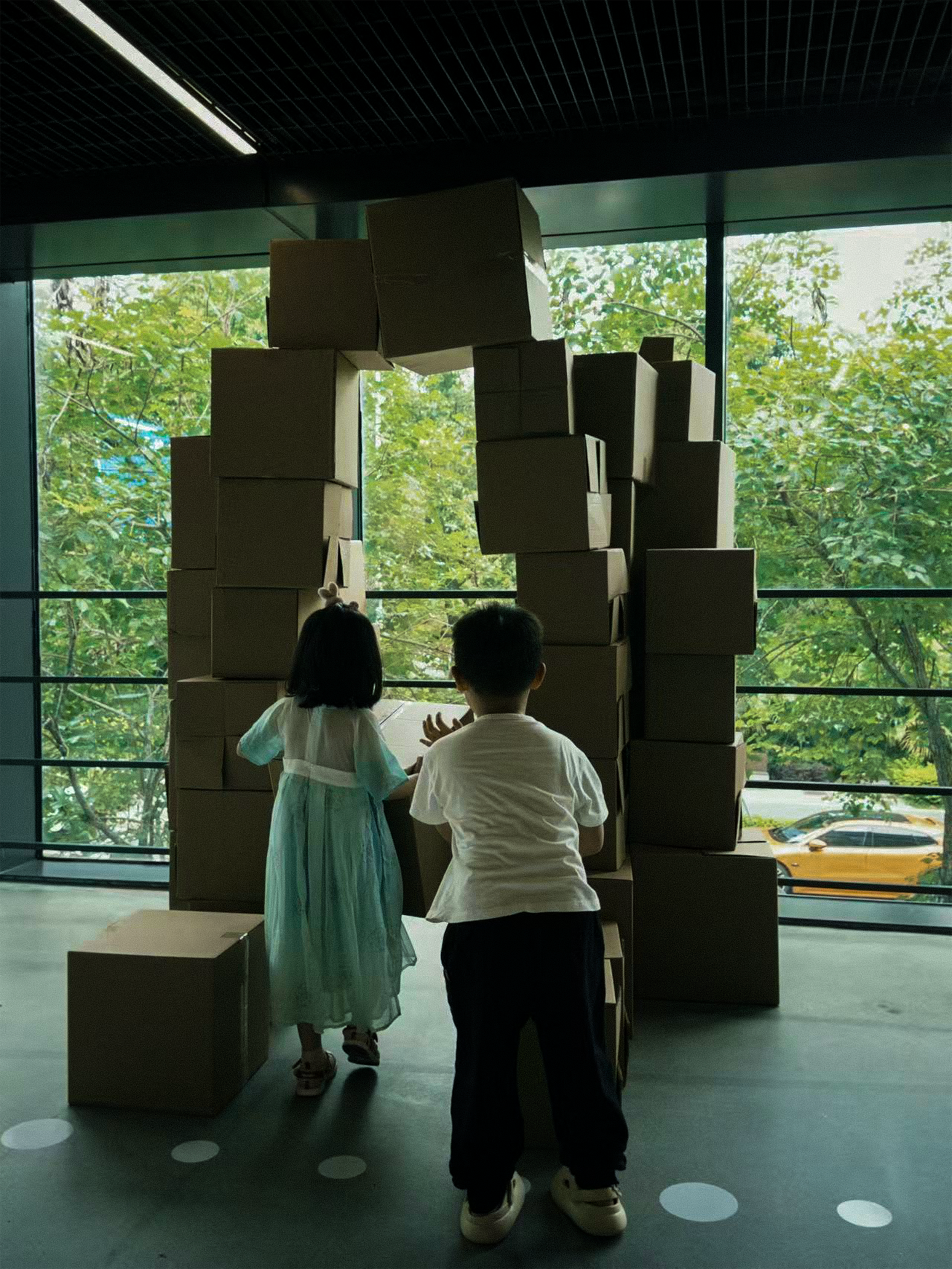
An exhibition is usually a space to be looked at. This project asks what happens when it becomes a space to be made. Designed as a participatory spatial design at Pingshan Exhibition Hall, Symbiosis Field invites visitors to co-create within the space — their contributions becoming part of the exhibition itself. The project explores three fusions: exhibition and performance space, display and public rest, exhibitor and audience. It also tests a practical critique: against the high cost of conventional exhibition build-outs, the installation employs recycled and recyclable materials, treating sustainability not as a theme on display but as a construction logic.
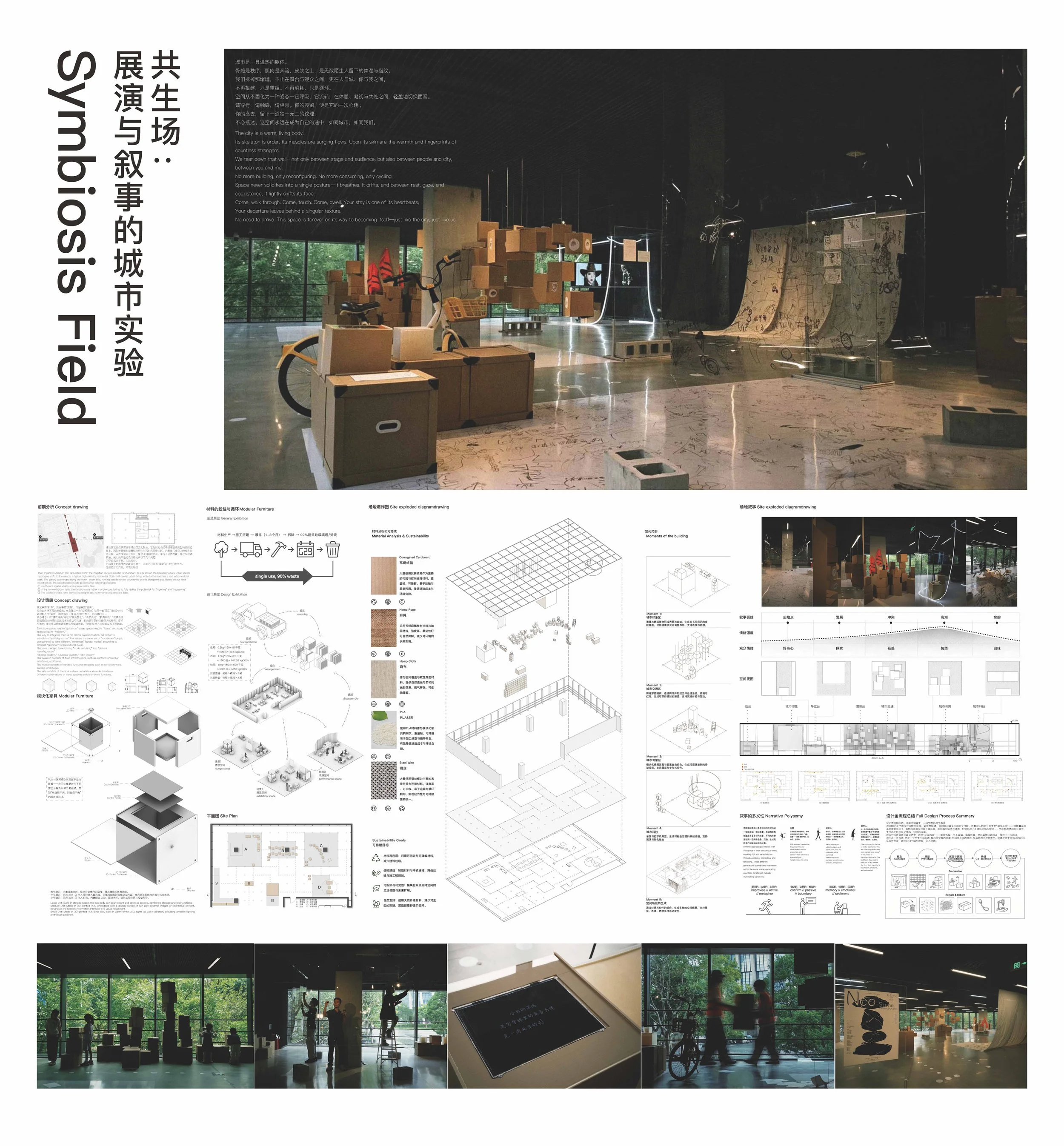
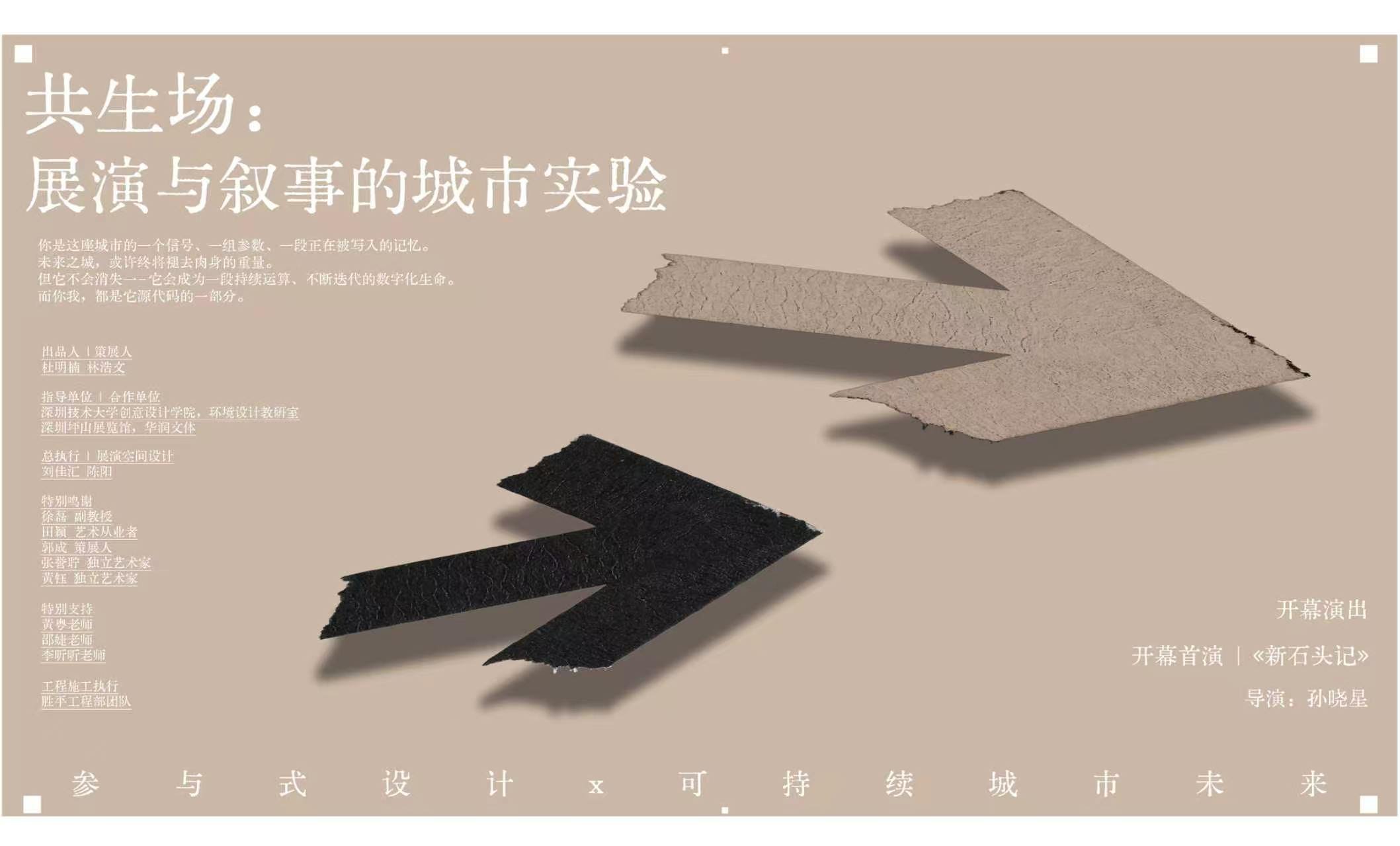
Symbiosis Field: A Spatial Experiment in Performance and Narrative
Participatory Design × Sustainable Urban Futures
A Critique of Conventional Exhibition-Construction Models
1. Prohibitive Economic Costs
Conventional exhibitions rely heavily on custom-built timber panels, metal stud framing, and bespoke display walls. Construction costs for a single exhibition routinely run into hundreds of thousands of yuan, placing such formats beyond the reach of small and mid-sized institutions.
2. Excessive Time Investment
Dedicated construction crews are required, with on-site assembly typically spanning two to four weeks. Throughout this period, the host space remains inaccessible, severely limiting curatorial and programming efficiency.
3. Substantial Carbon Emissions
The production, transportation, and on-site installation of timber, steel, coatings, and adhesives generate considerable carbon footprints. At end-of-life, these materials are difficult to recover; the majority are consigned to landfill or incineration.
4. Absence of Resource Circulation
Custom-built display walls cannot be redeployed across exhibitions; each new installation requires a fresh round of fabrication. The absence of modular, standardised components perpetuates systemic material waste.
Core Research Questions
How might a static exhibition space be transformed into a dynamic performative space?
How might lightweight, sustainable materials be mobilised to engage the pressing questions of contemporary urbanism?
"When you step into this space, pick up a pen, or simply wander quietly among the cardboard boxes, you are already adding your own texture to the skin of this city".