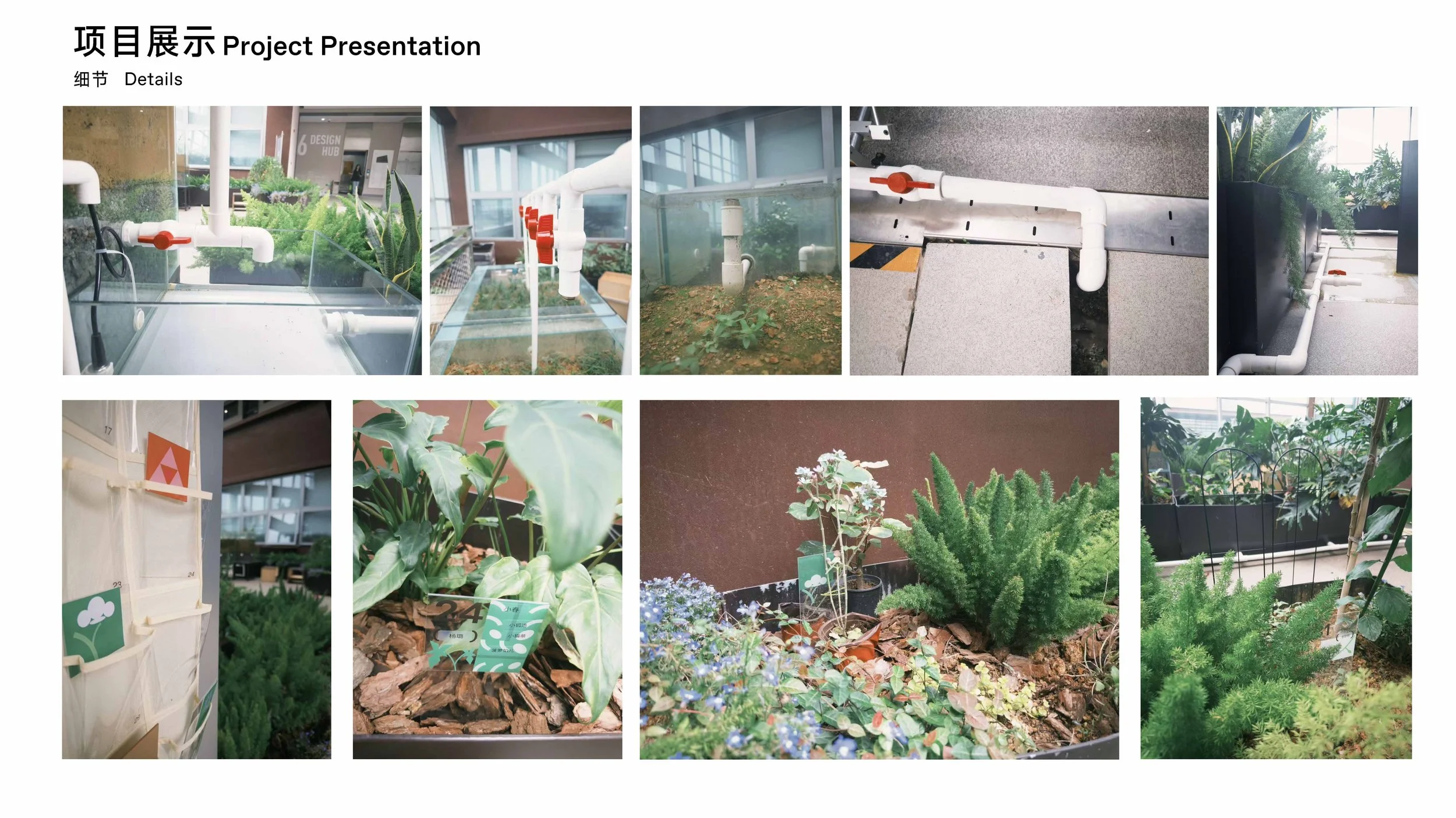
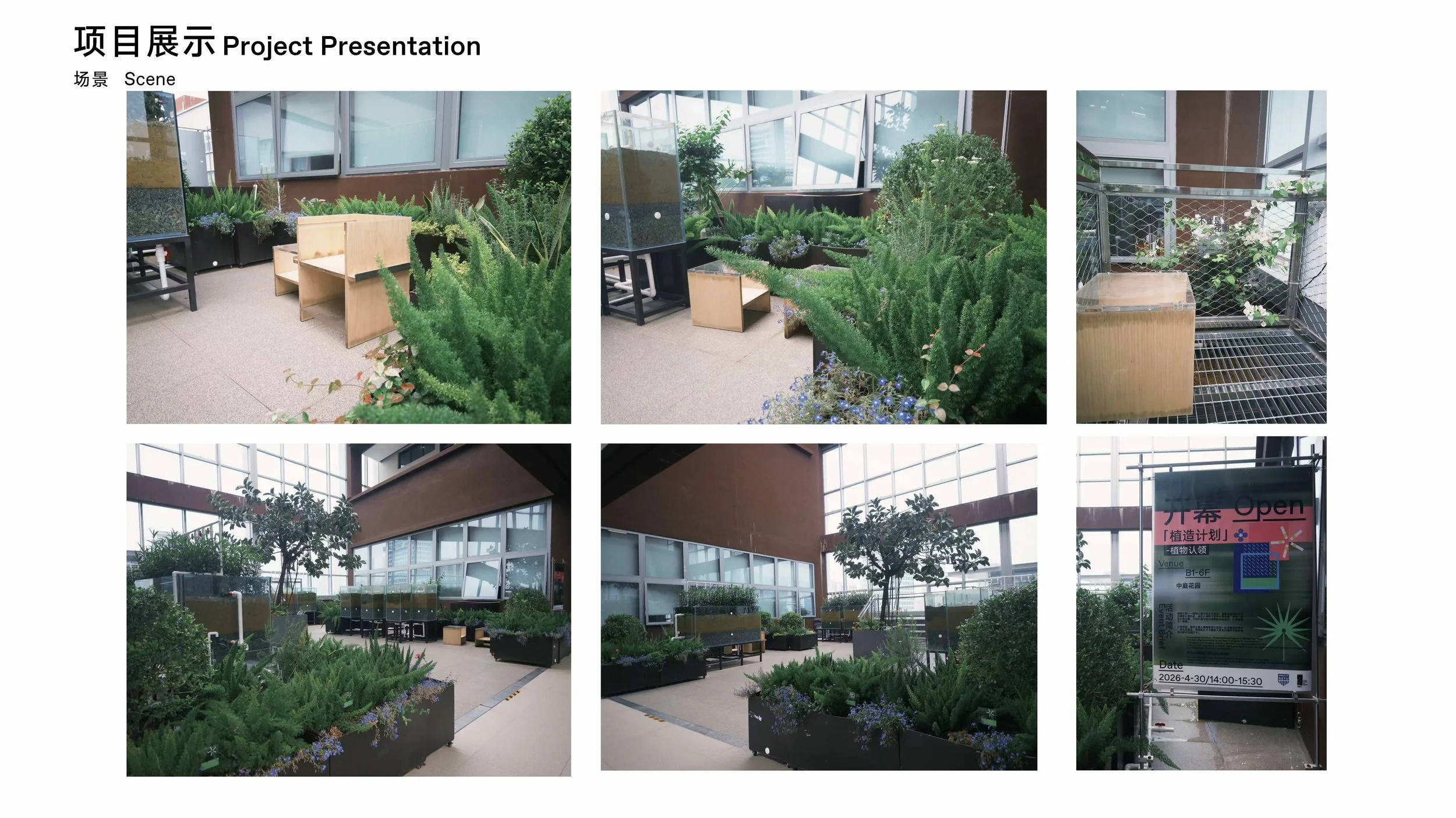
MORE THAN A GARDEN
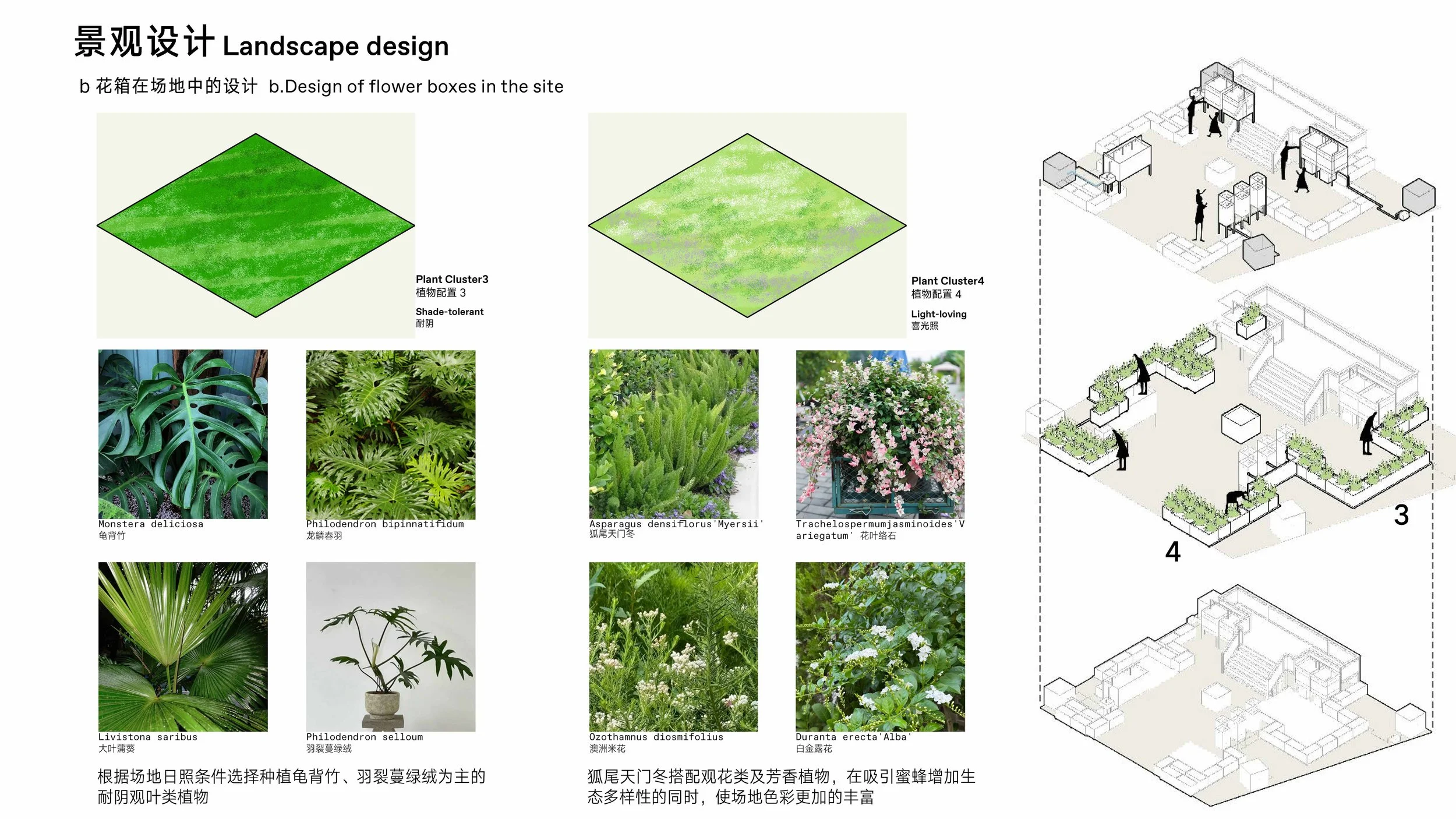
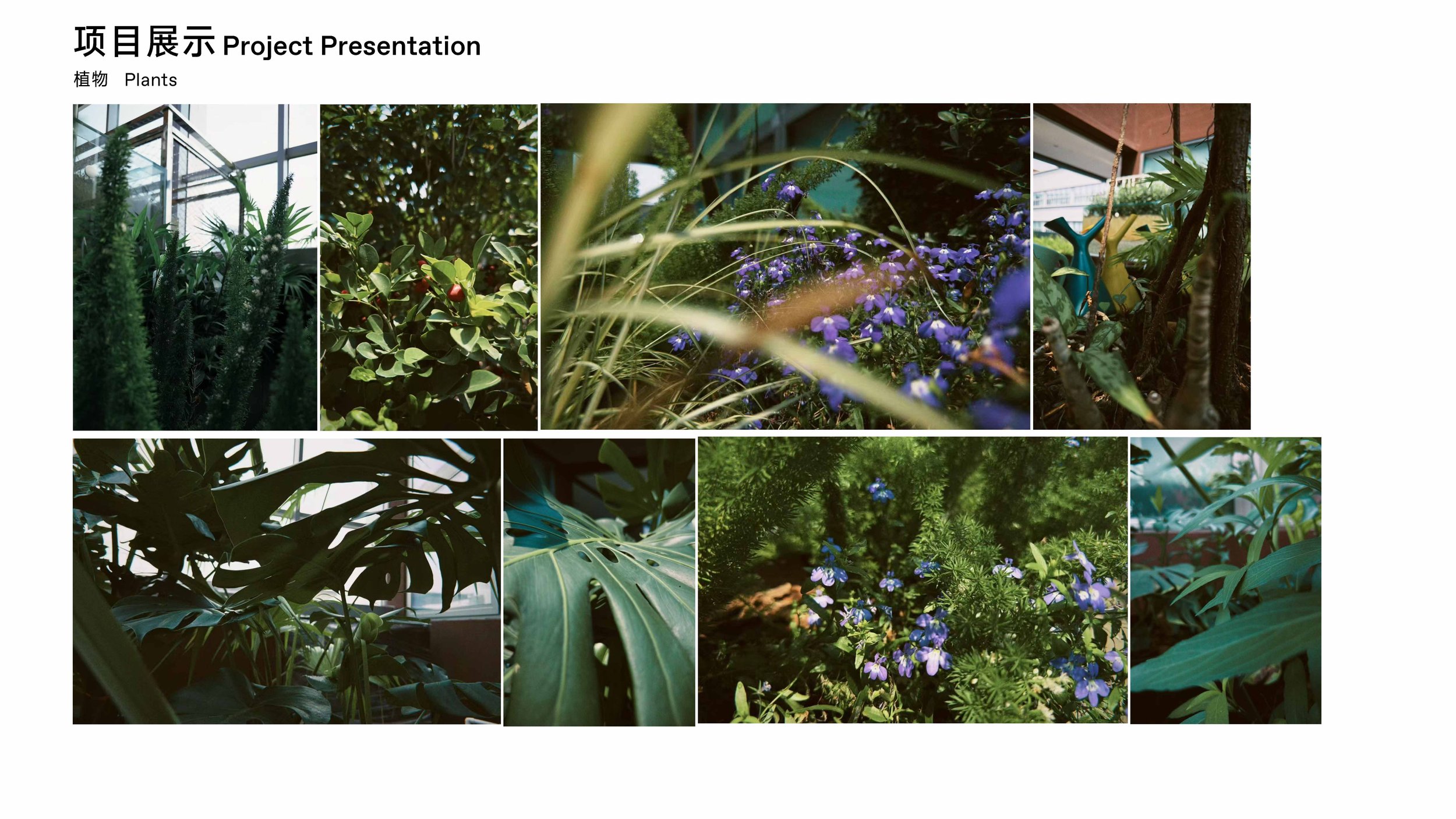
A Nature-based Solutions rain garden integrating stormwater retention, planting design, and campus environmental education. Conceived as a didactic instrument, the garden renders visible what is normally hidden in pipes and drains: how rainfall is caught, held, filtered, and absorbed. When a space explains its own workings, ecological concepts become observable — and students begin to read the city differently.
Design Background
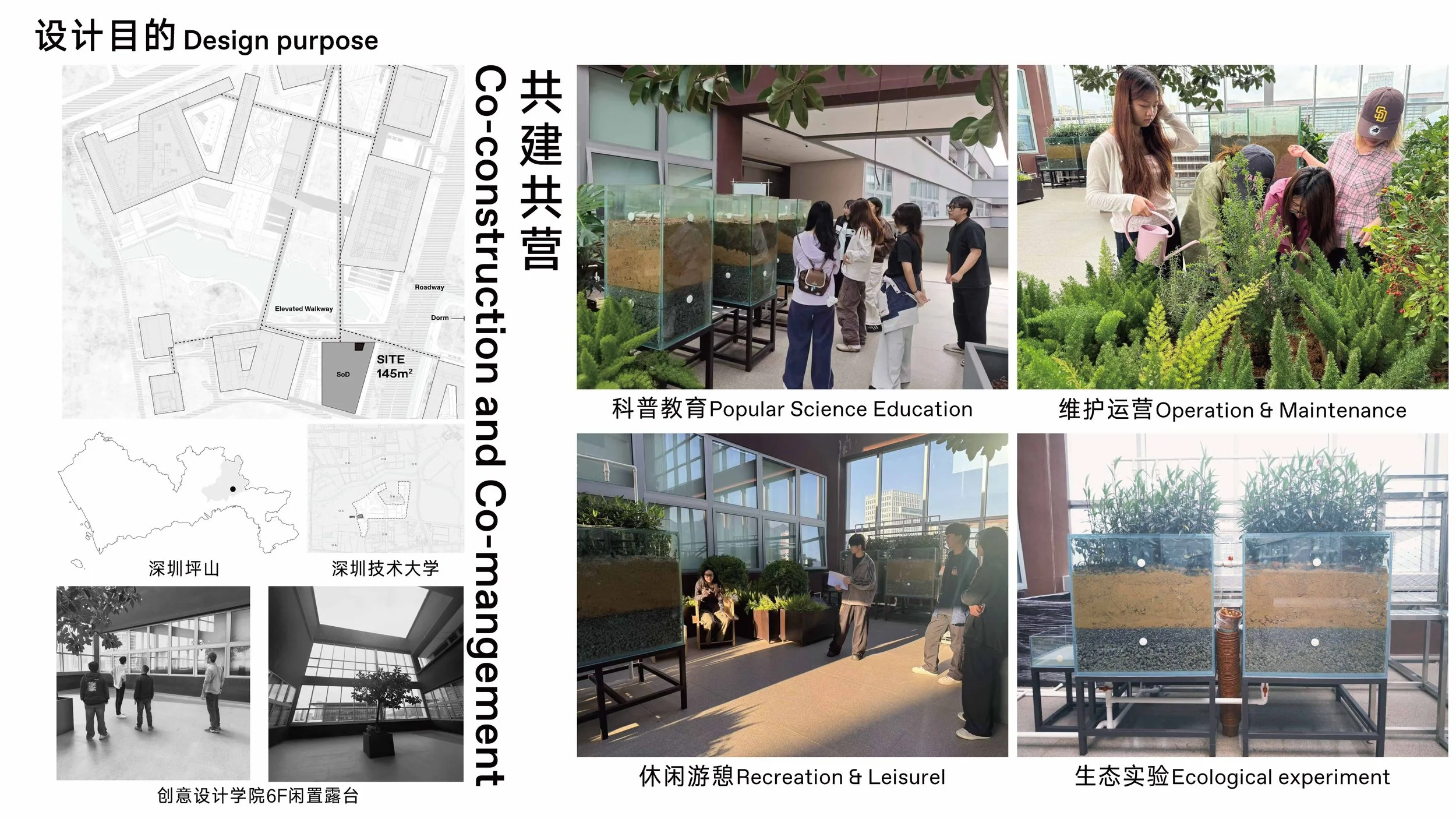
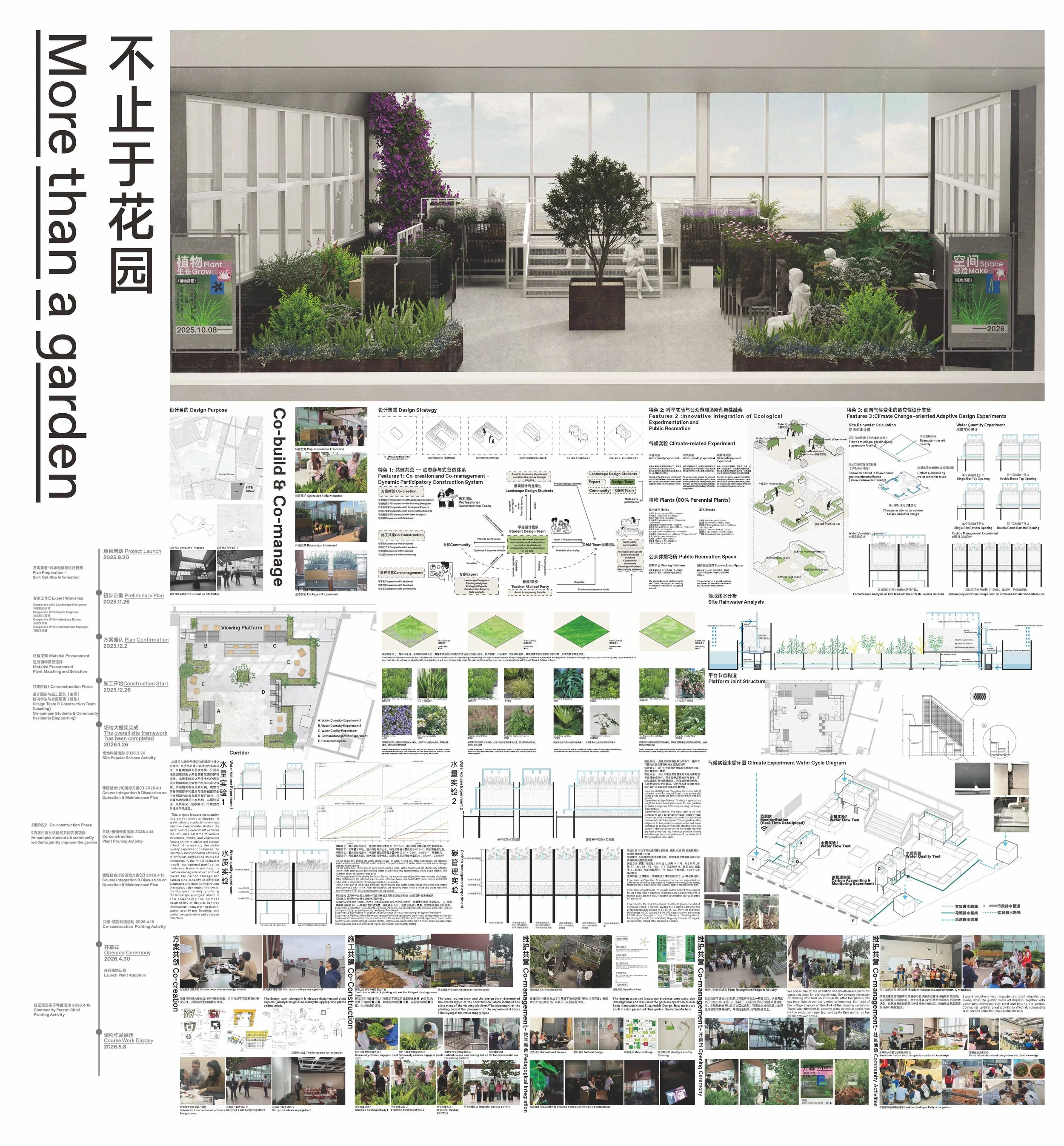
Against the backdrop of rapid urbanization, ecological challenges such as stormwater flooding have grown increasingly acute, while vast amounts of urban architectural space sit idle — single in function and low in use. In response, this project takes ecological recreation, climate-adaptive design, and co-creation as its core principles, reactivating an underutilized campus rooftop into a sustainable rain garden demonstration — one that weaves ecological experimentation, climate response, and public engagement into a single living landscape, inviting a forgotten space back into the city's metabolism.
Design Strategy
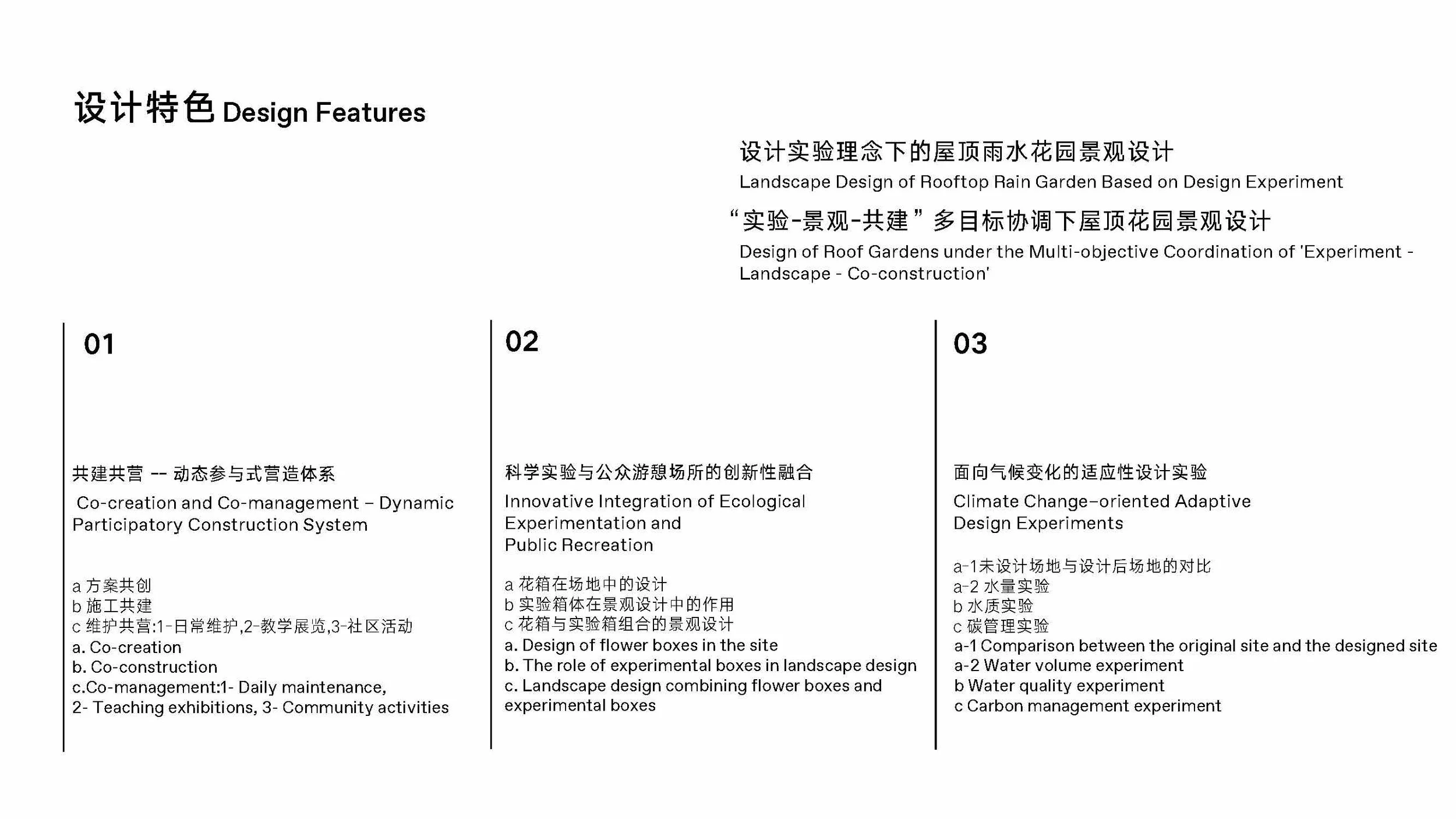
Framed by the multi-objective coordination of "experiment – landscape – co-construction," the design unfolds three mutually reinforcing strategies.
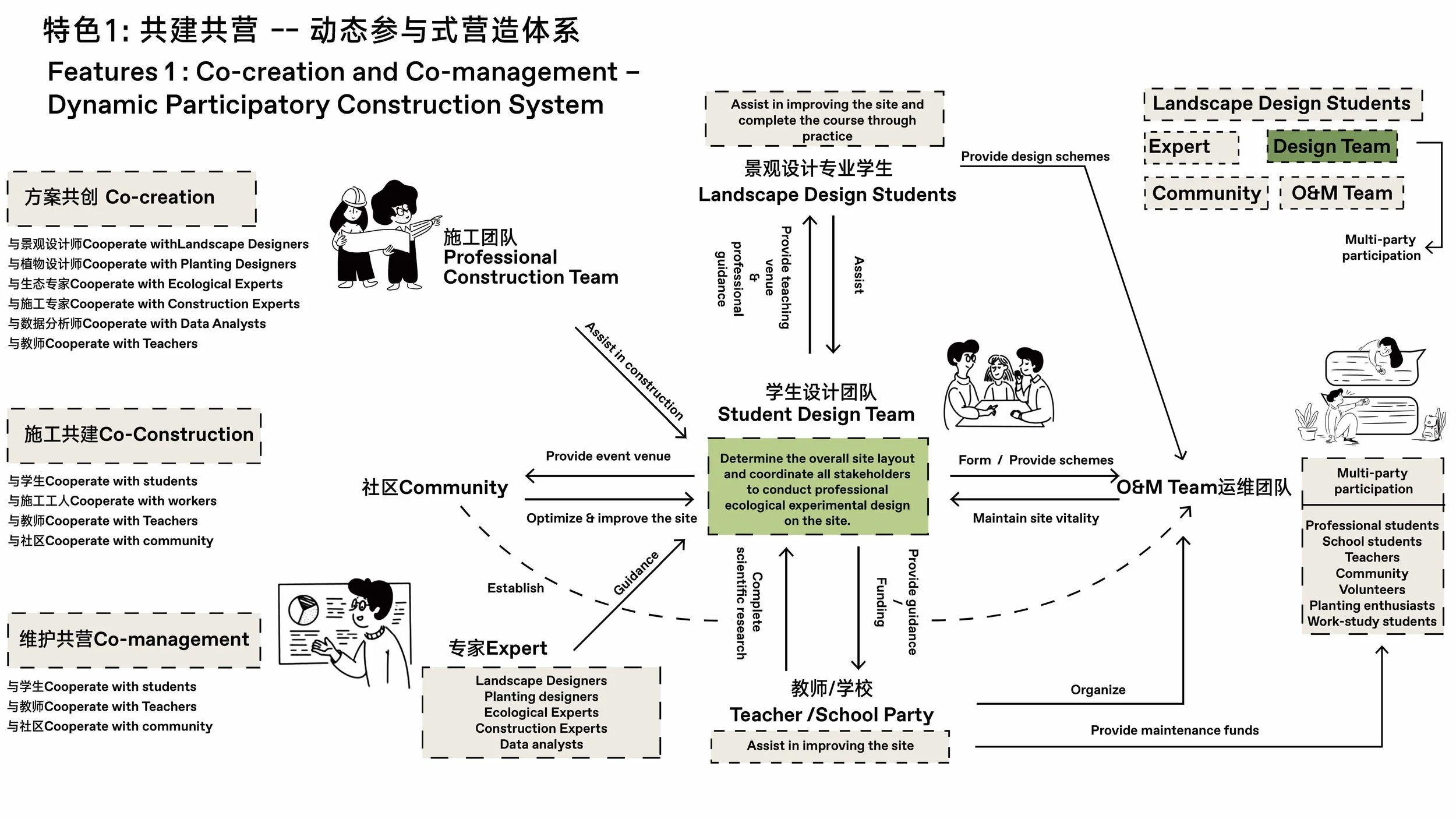
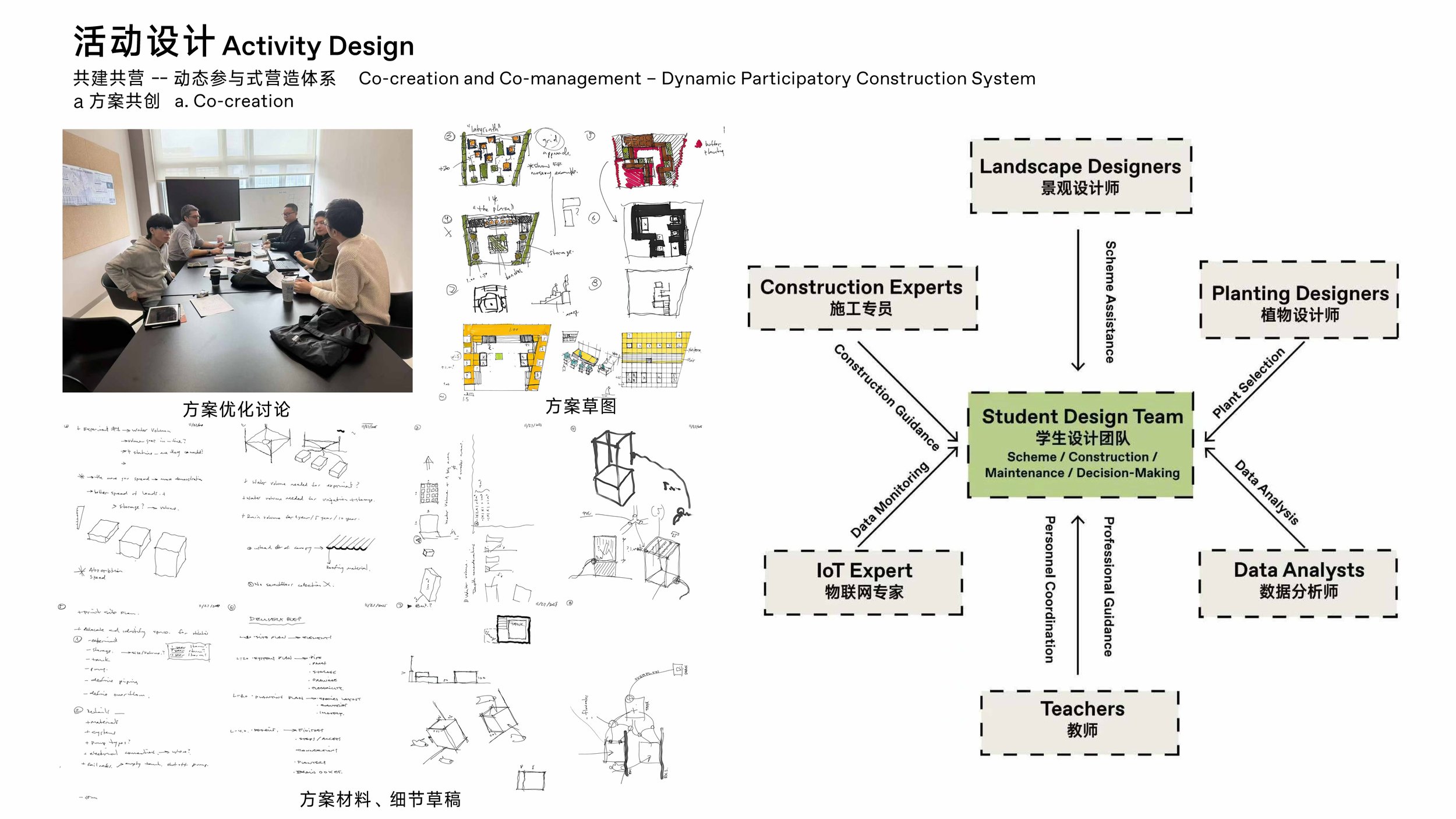
Co-creation and co-management
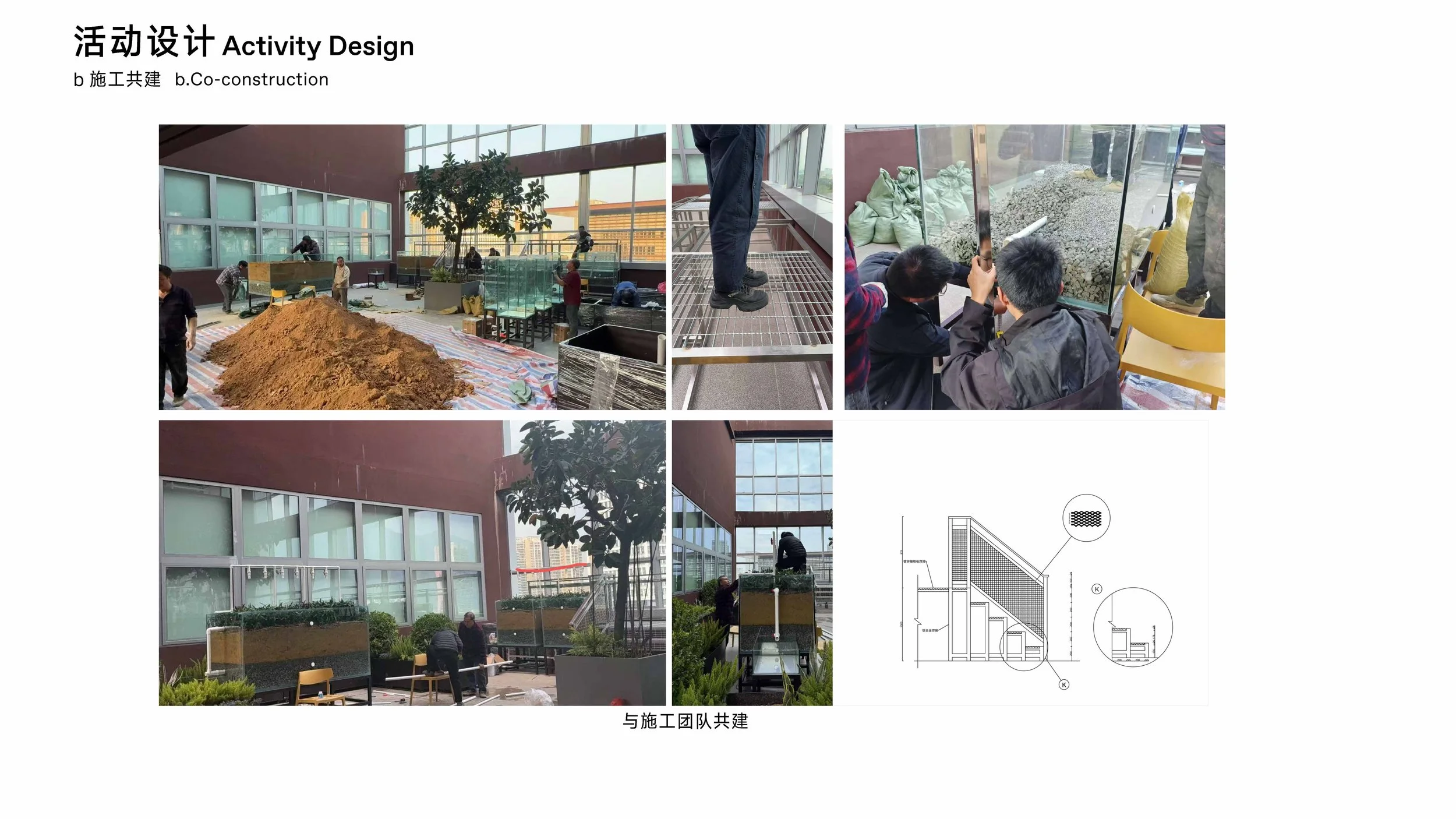
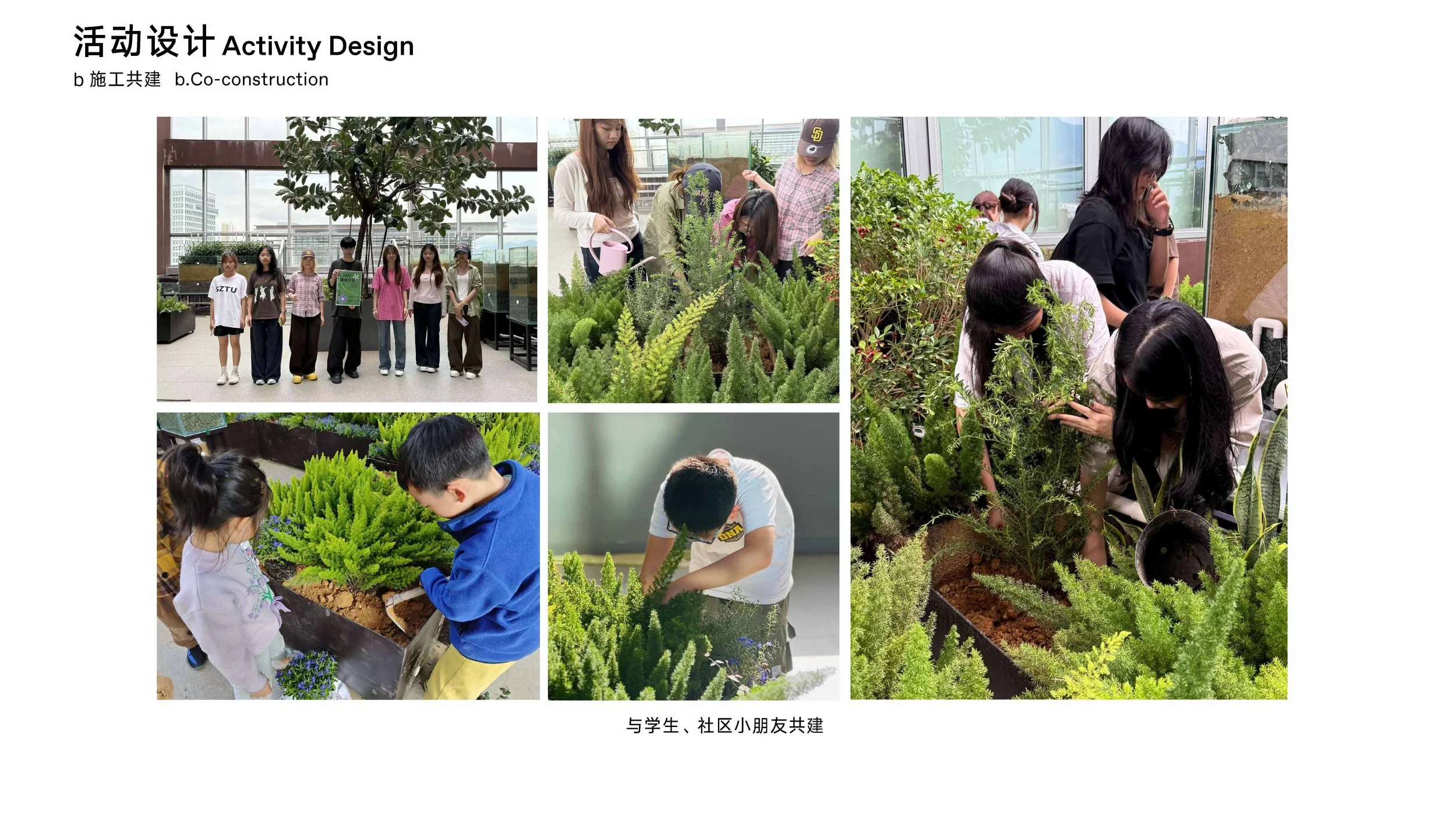
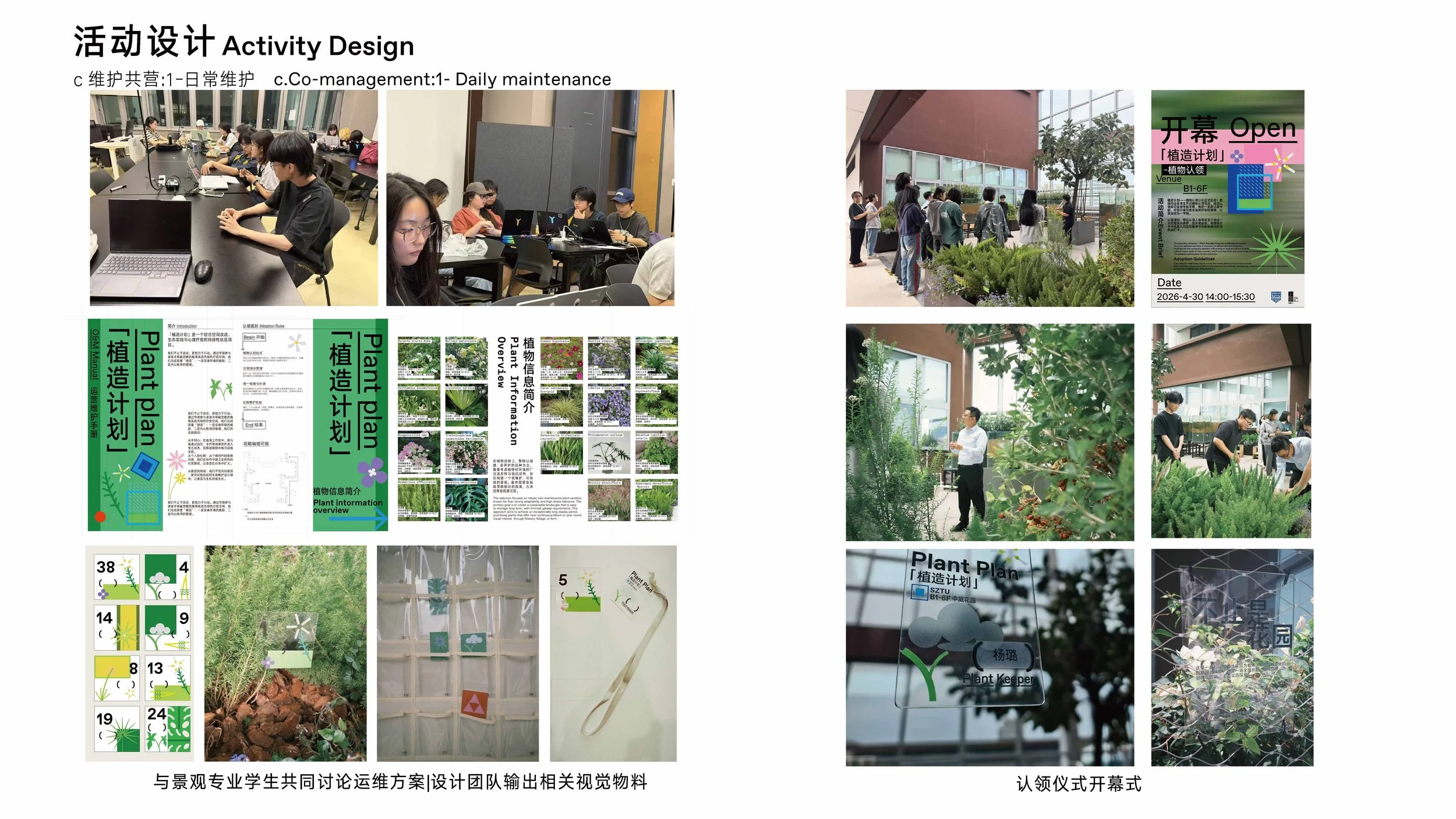
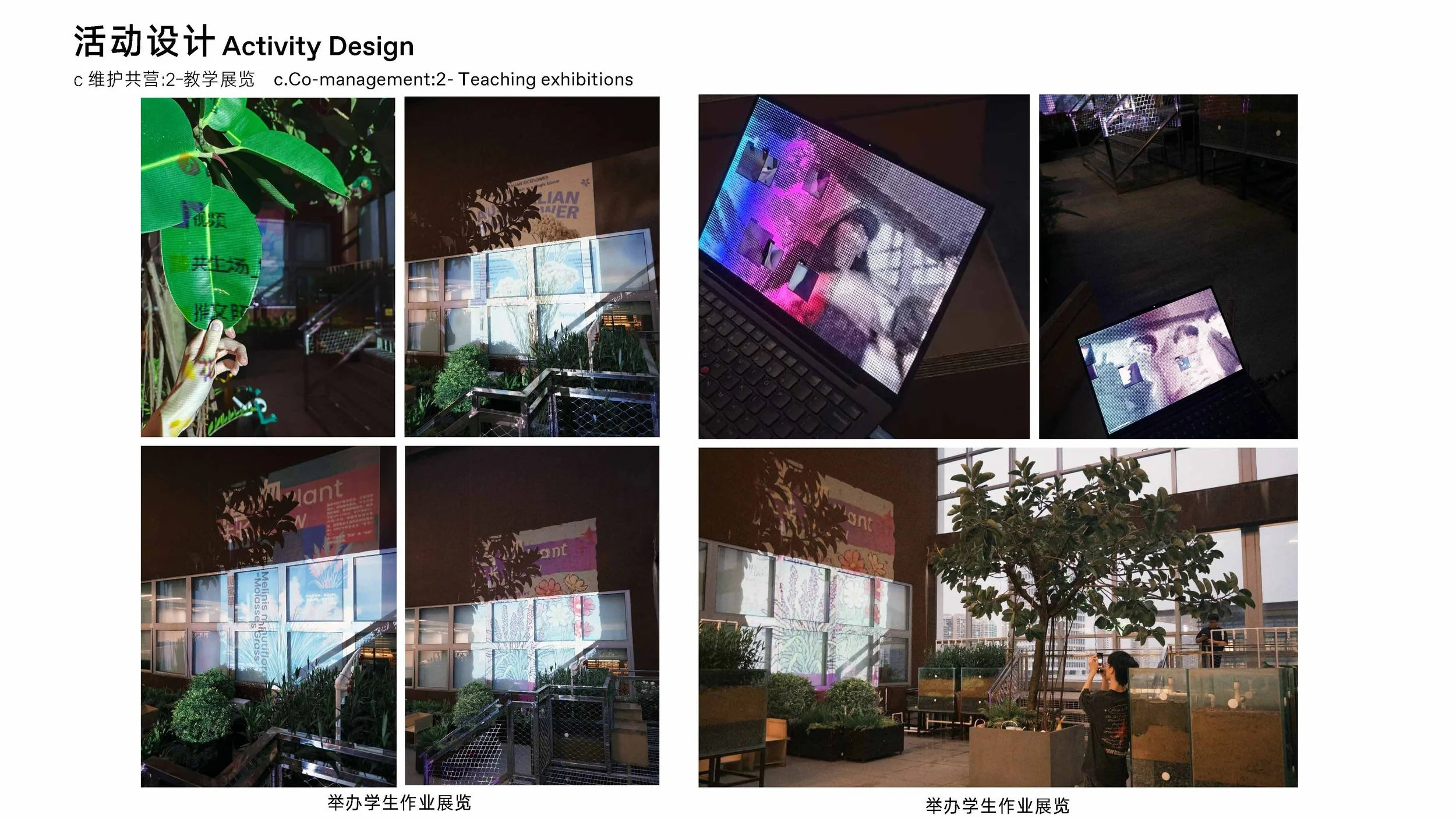
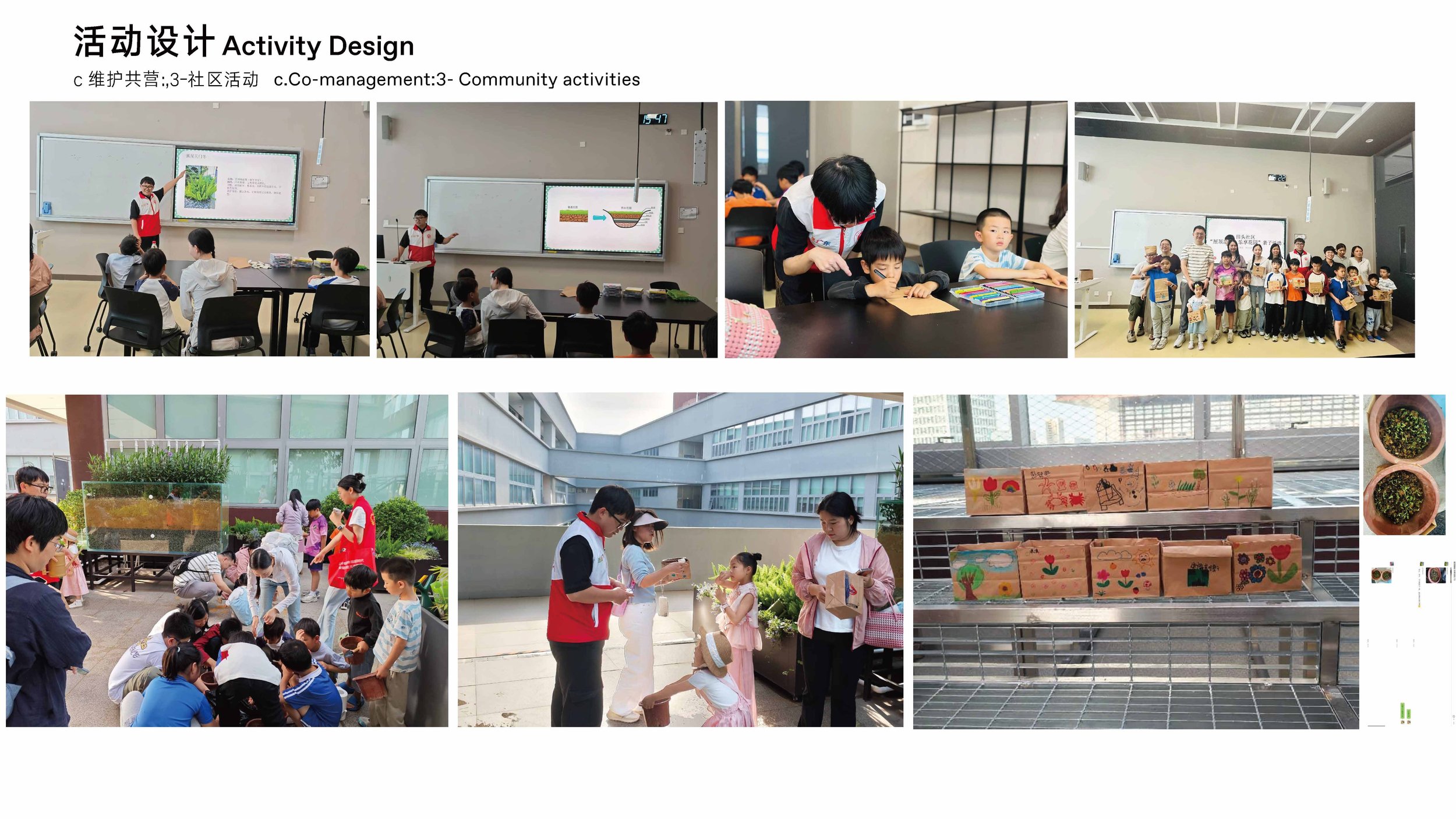
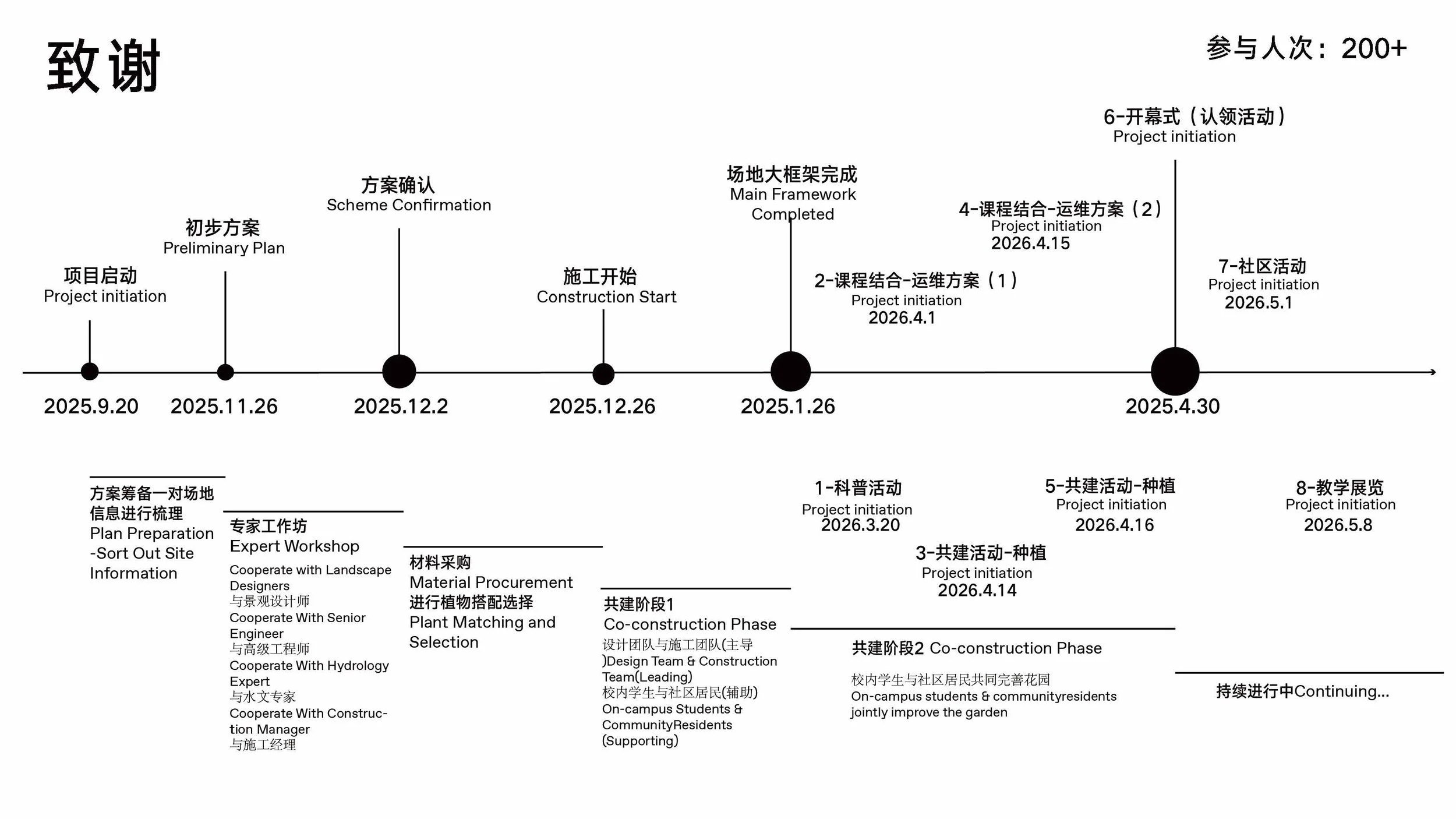
collaborative planning, joint construction, and shared stewardship fold daily maintenance, teaching exhibitions, and community activities into a dynamic participatory building system.
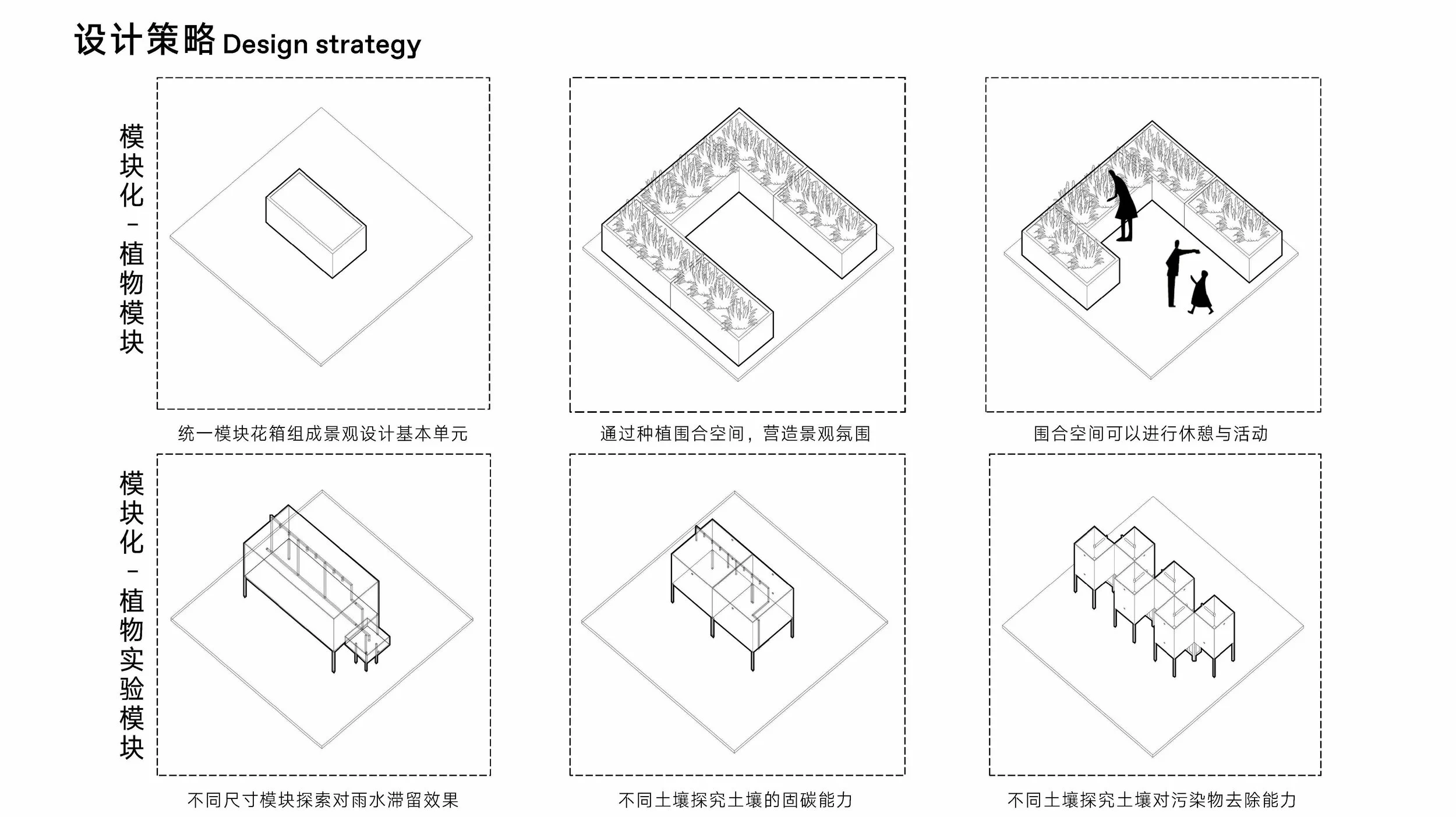
Combination of experimentation and recreation
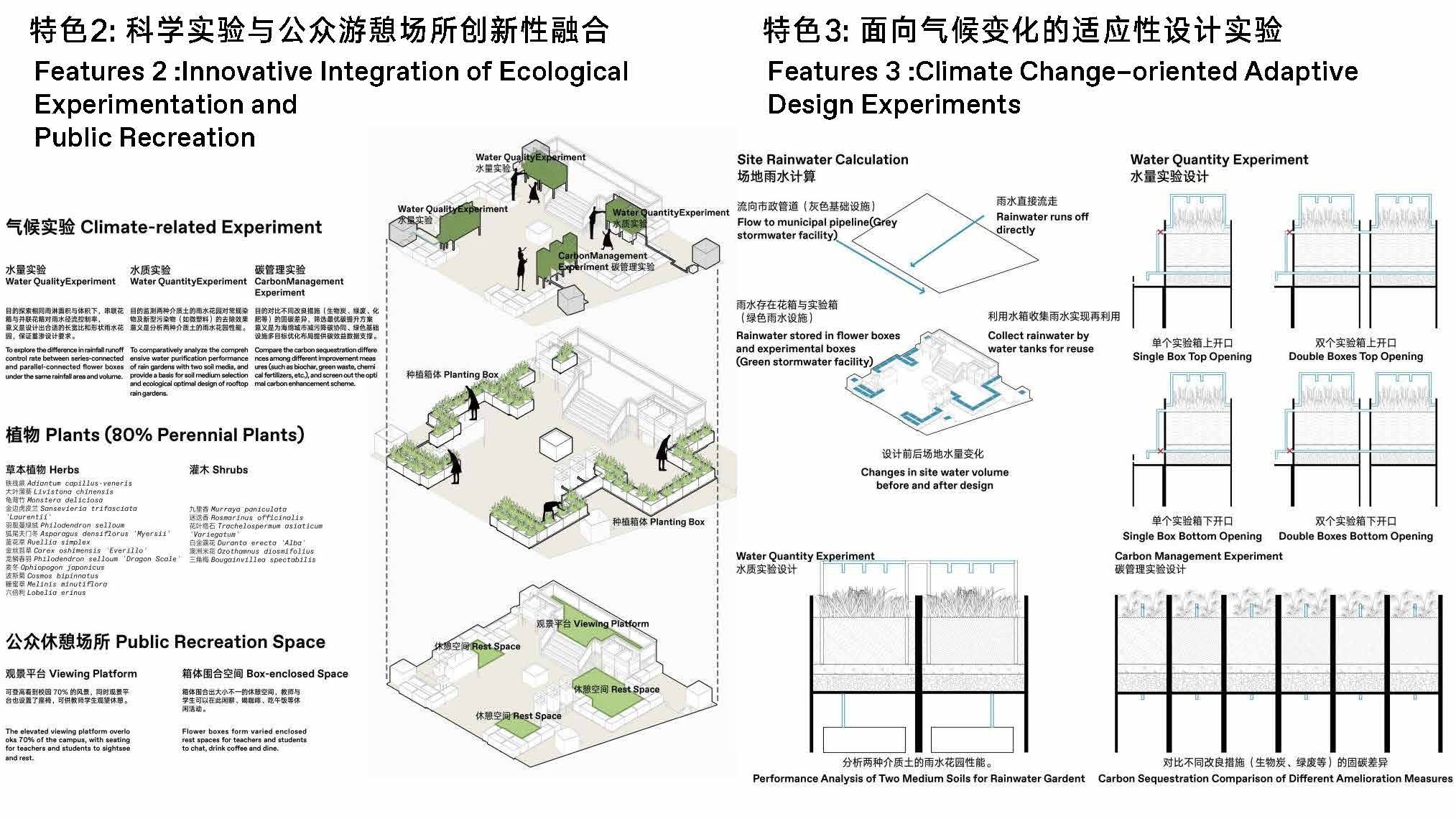
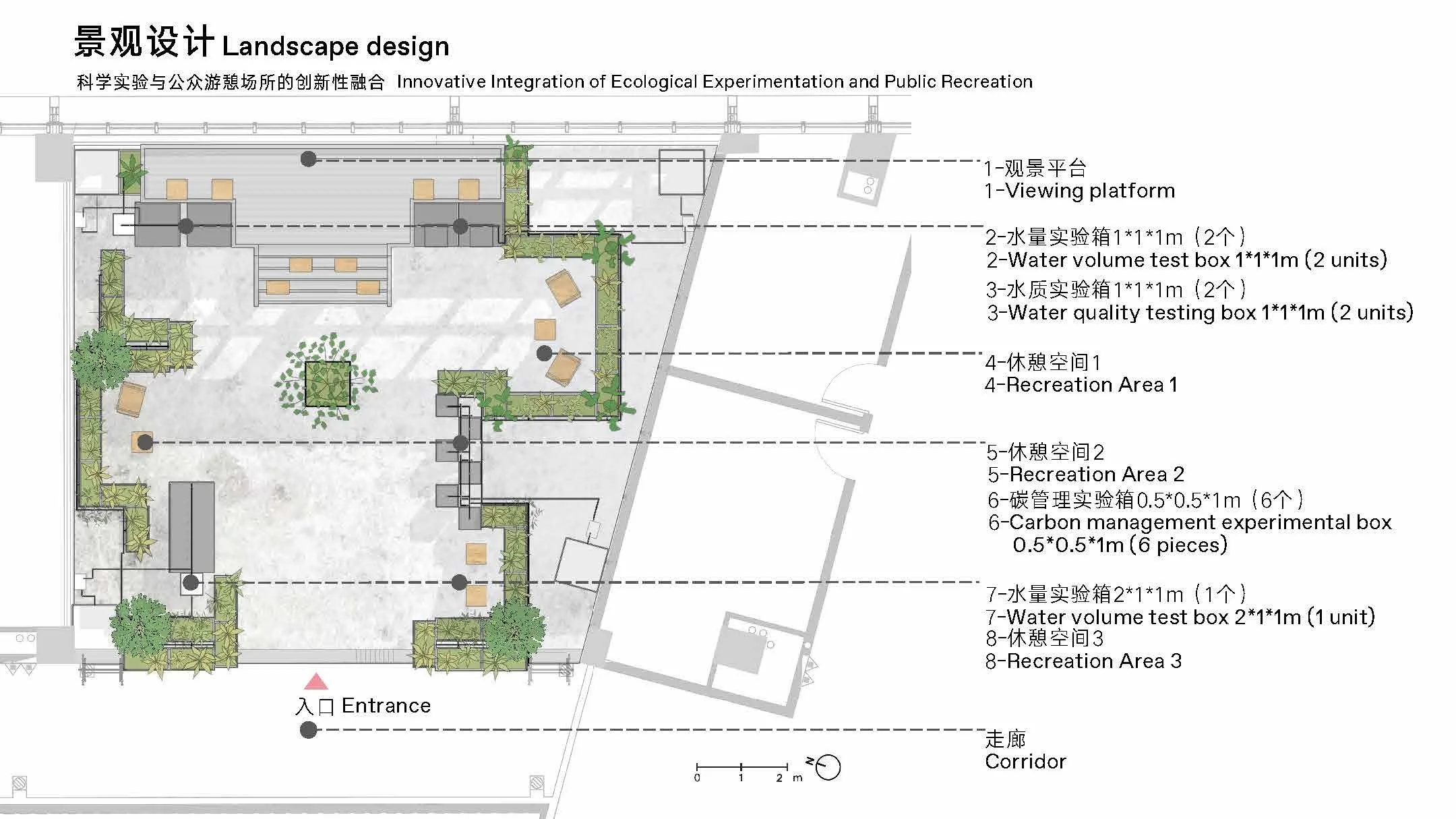
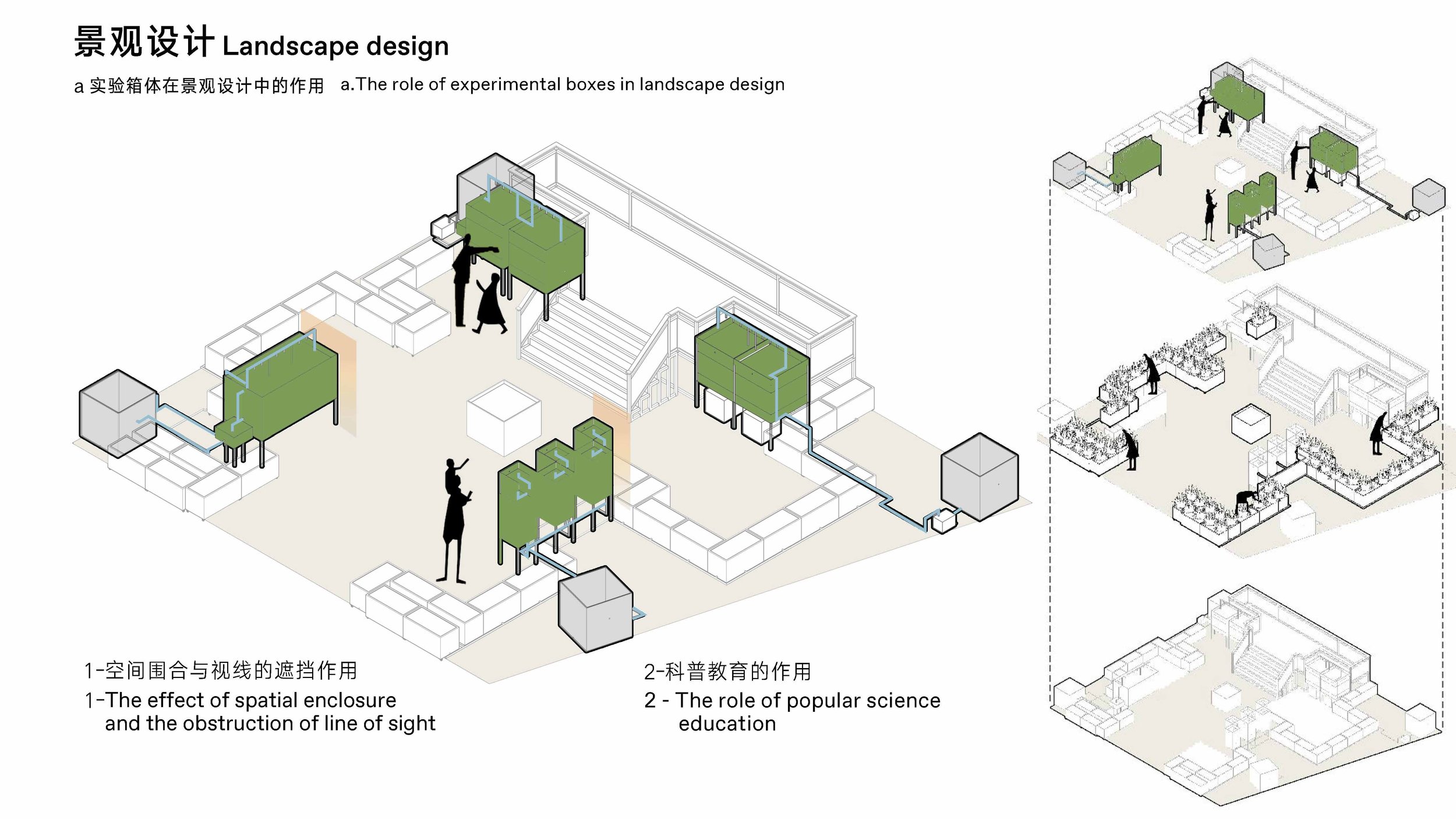
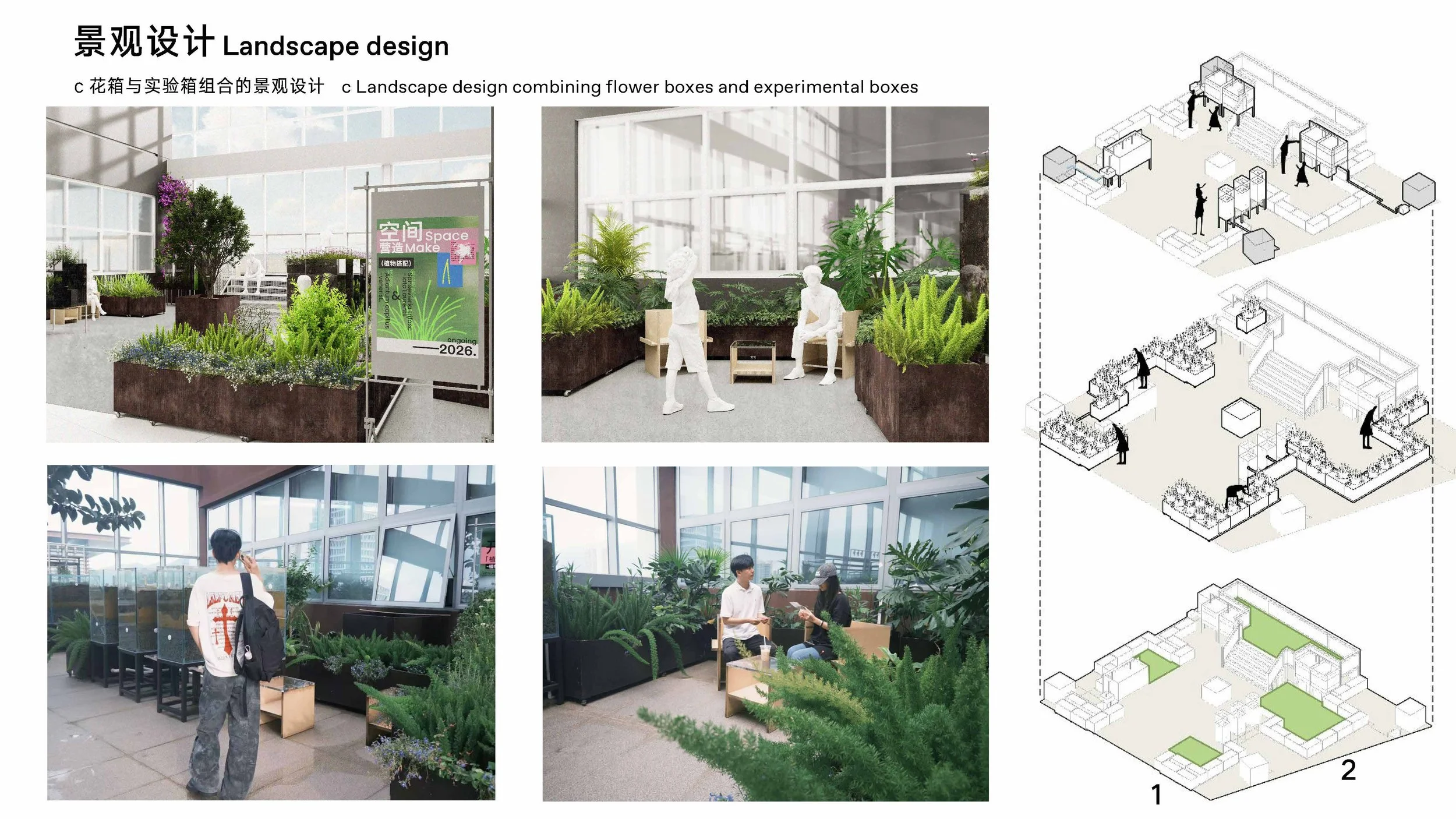
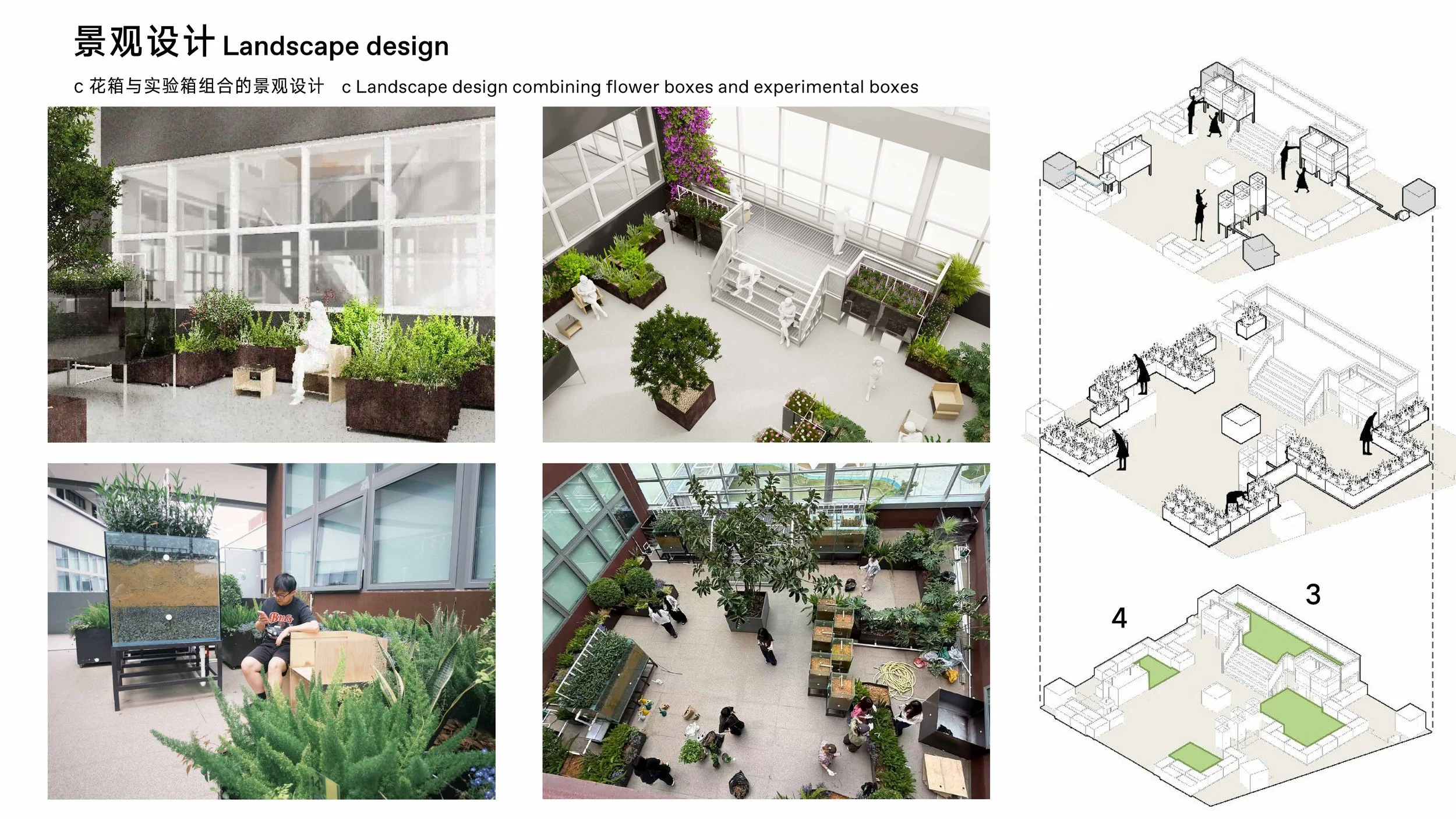
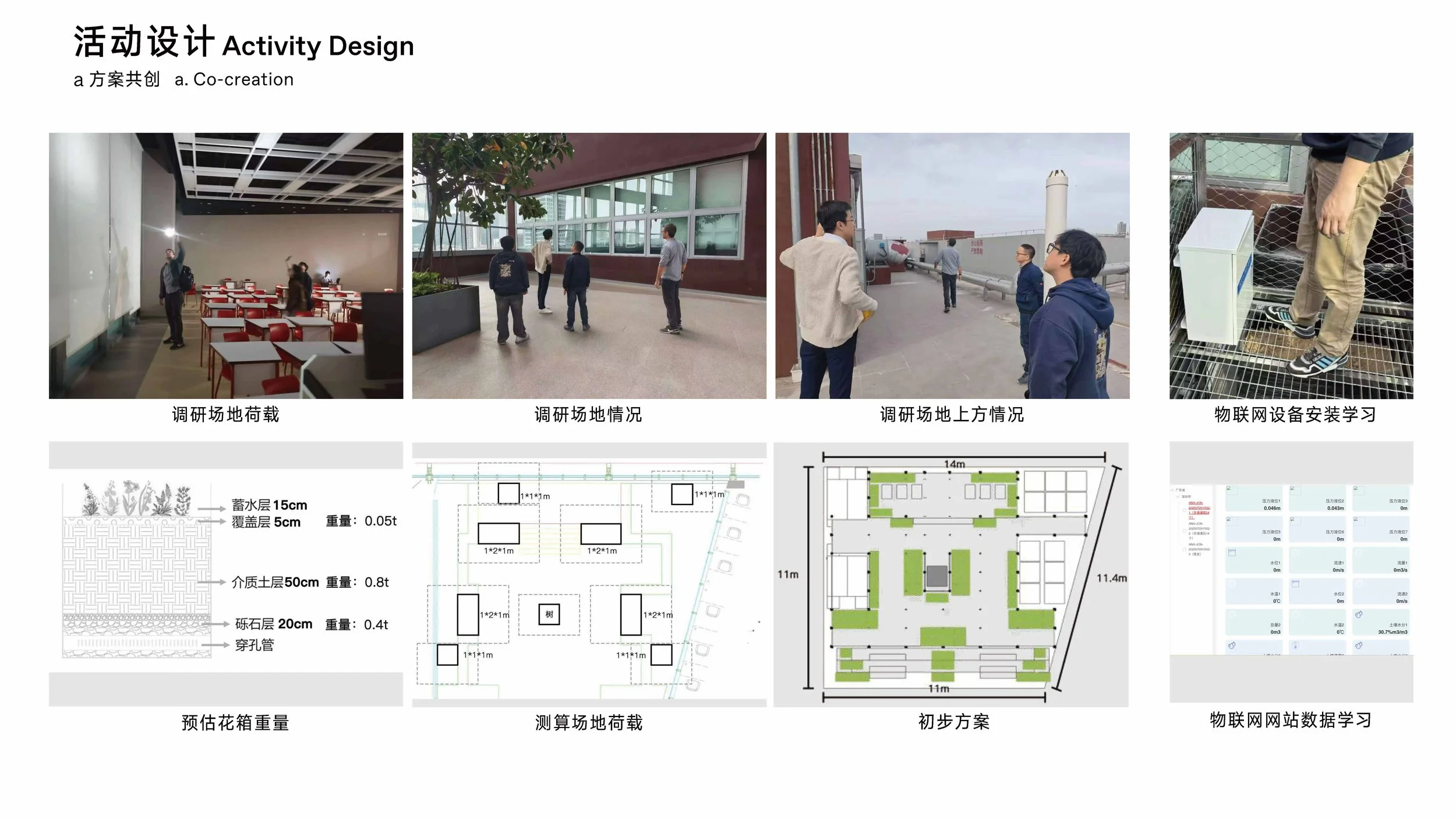
combined planter and experiment boxes embed scientific observation naturally within the public's recreational routes.
Climate-adaptive experimentation
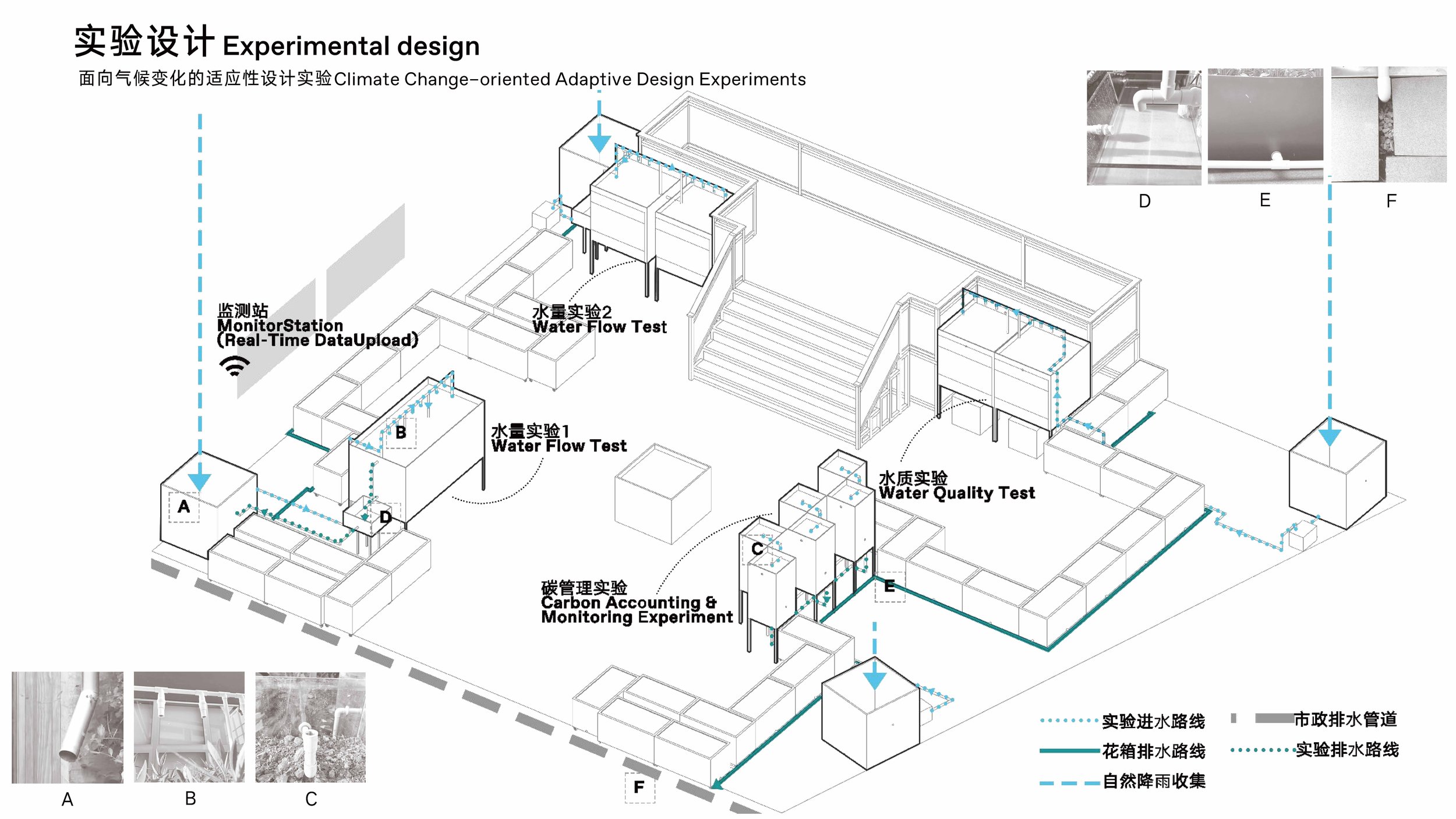
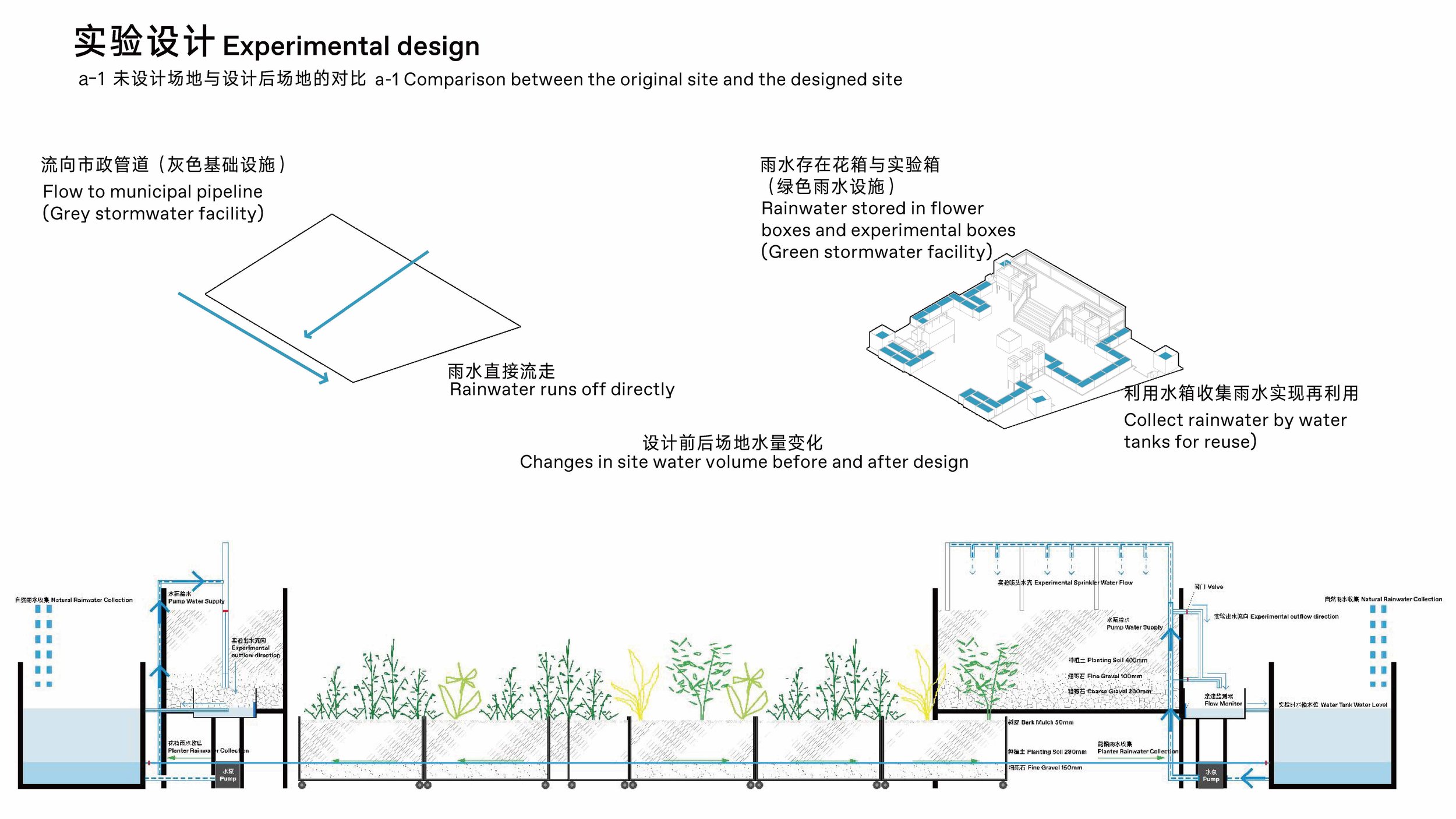
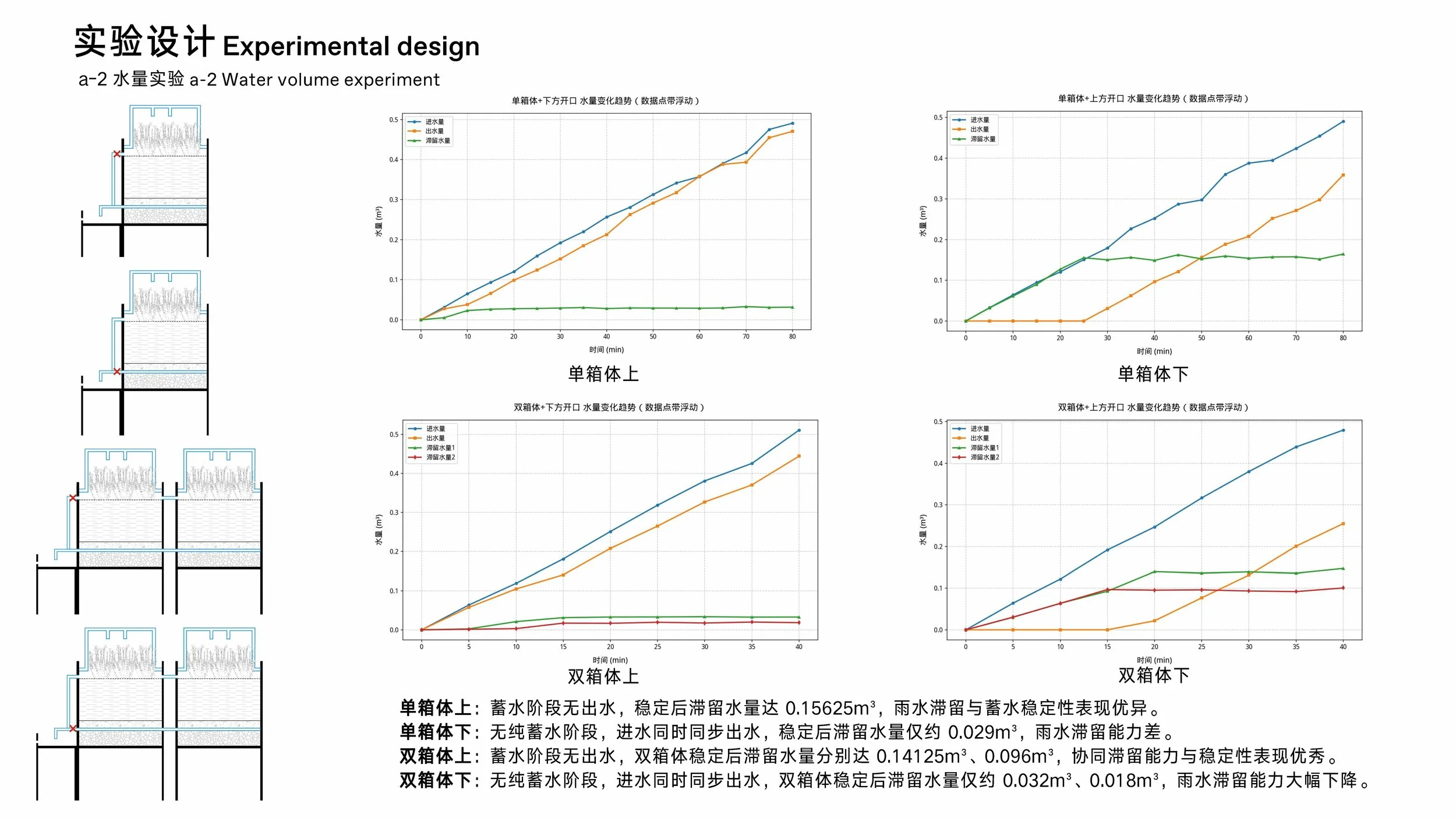
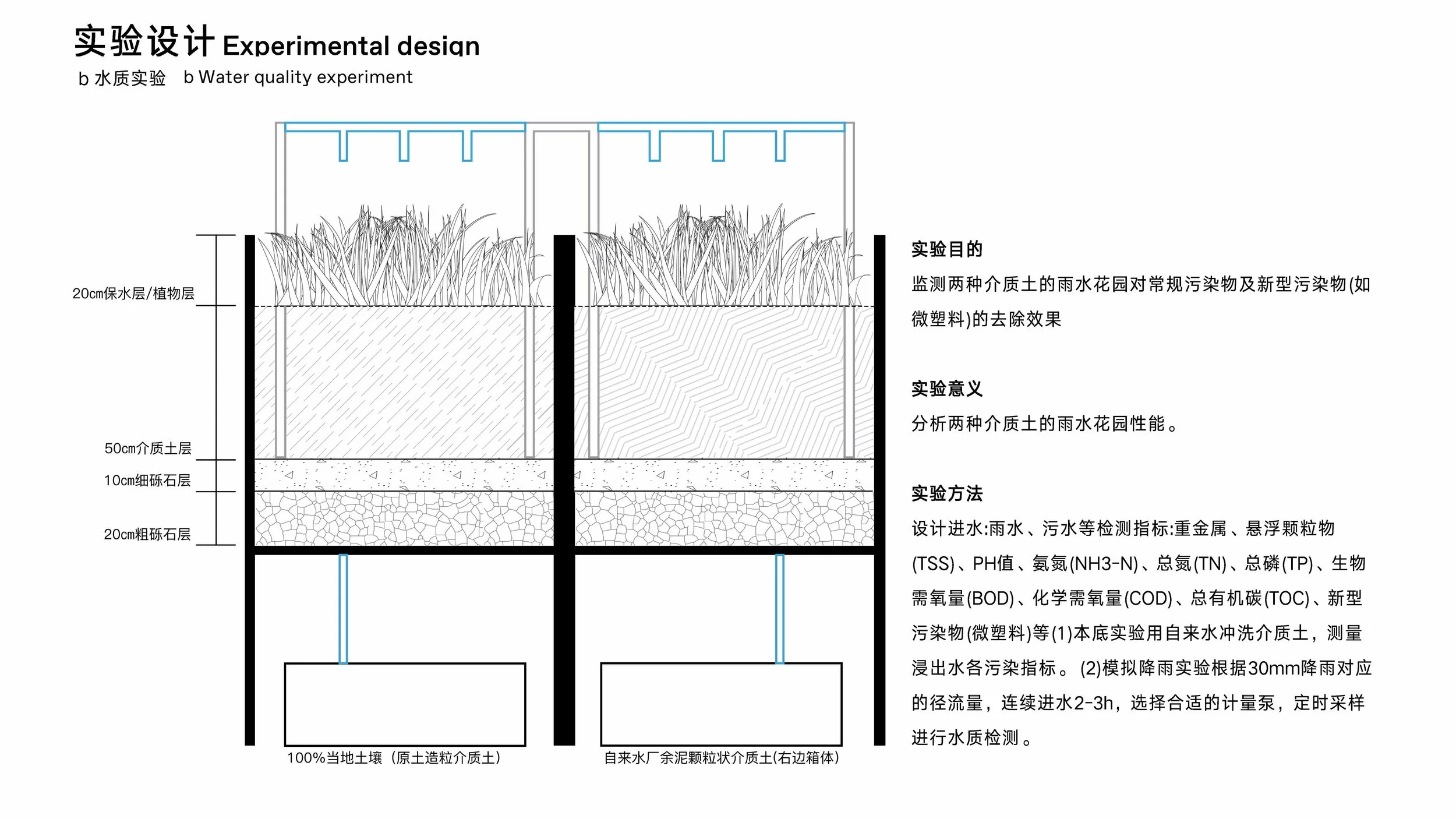
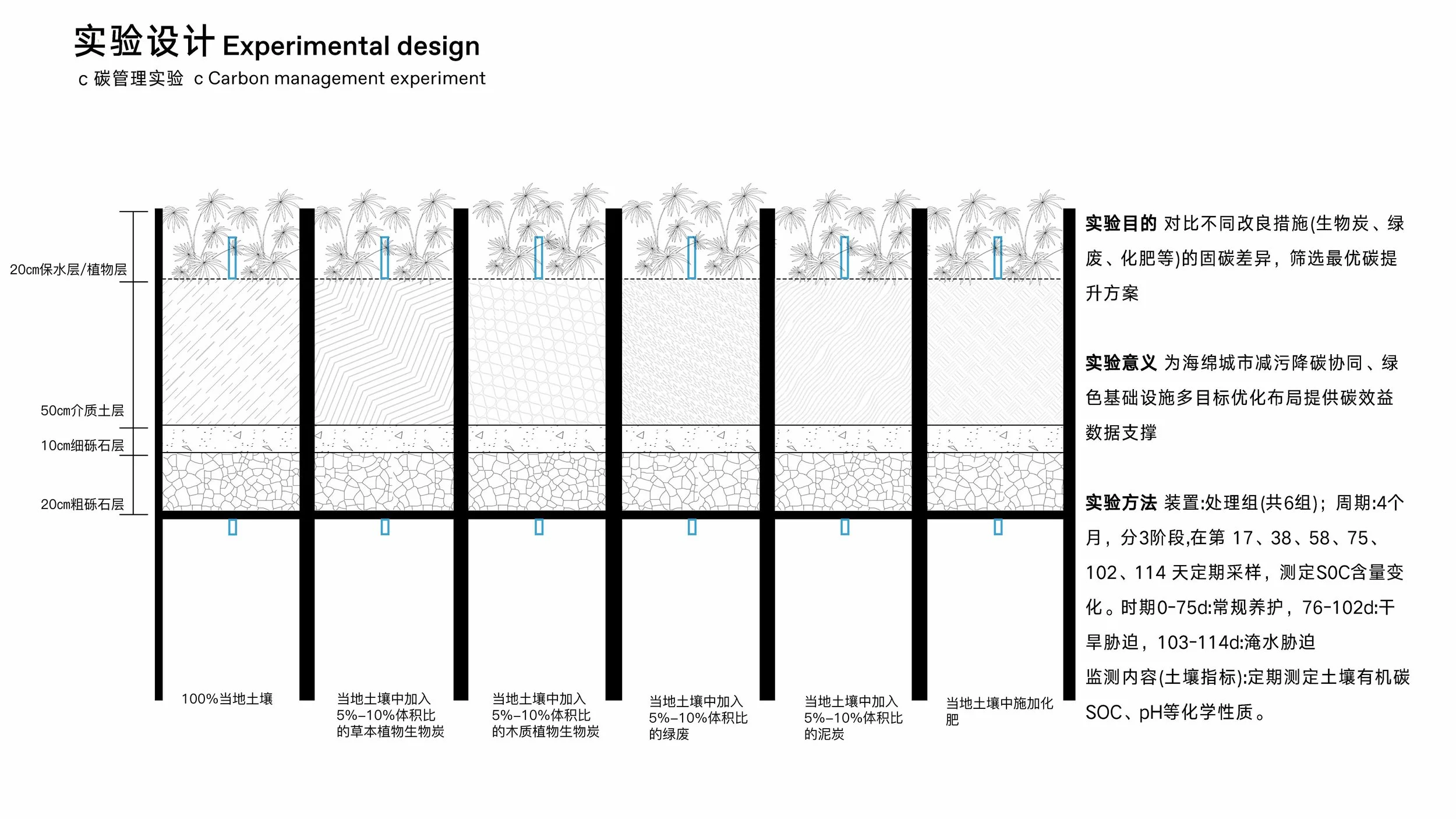
before-and-after site comparison, together with water volume, water quality, and carbon management experiments, turns the rooftop garden into a measurable, verifiable prototype for climate response.